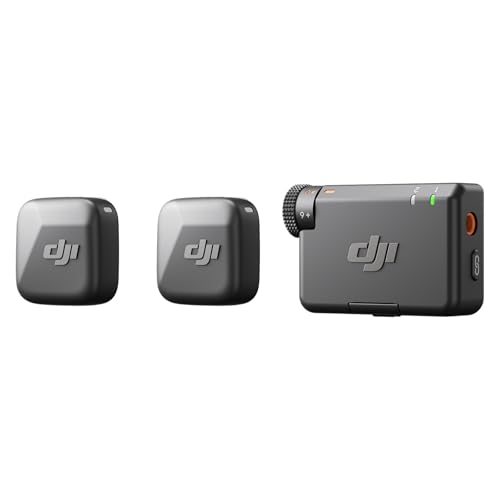
Shure SM57 Pro XLR Dynamic Instrument Microphone

The Shure SM57 Pro XLR Dynamic Instrument Microphone is an outstanding choice for creators, gamers, musicians, and professionals seeking high-quality sound capture for their projects. Whether you’re recording guitar amplifiers, snare drums, or brass instruments, this microphone’s contoured frequency response enhances attack and clarity, making it perfect for both live performances and studio recordings.
Why It’s Great for You:
Trusted worldwide, the SM57 delivers consistent, professional sound across various applications, ensuring your recordings stand out. Its precise cardioid pickup pattern focuses on your sound source while minimizing background noise, making it ideal for complex setups where clarity is key.
Best For:
Content creators, musicians, and sound engineers looking for a reliable microphone that excels in capturing the detail and clarity of instruments in both live and studio settings.
Pros:
- Versatile Performance: Works well with a wide range of instruments such as guitars, drums, and brass, making it a go-to choice for diverse applications.
- Noise Isolation: The cardioid pickup pattern effectively reduces background noise, ensuring focused sound capture in challenging environments.
- Durable Design: Built to withstand high sound pressure levels and frequent handling, guaranteeing long-lasting performance in any setting.
Cons:
- Limited Frequency Range: While it excels with certain instruments, it may not be the best option for capturing high-frequency vocals or intricate sounds.
- Requires Phantom Power: As a dynamic microphone, it may not perform optimally without proper audio interface support.
- Not Ideal for Ambient Recording: The focused pickup pattern may limit its effectiveness for capturing ambient sound or room acoustics.
Metric Conversions:
- Dimensions: 6.1 inches (15.5 cm) long
- Weight: 0.56 lbs (0.25 kg)
Explore tutorials, honest reviews, comparisons, and buying guides to help you make the best choice for your microphone needs and maximize your sound quality, whether you’re podcasting, streaming, or recording music.
AKG Pro Audio AKG Perception 170 Professional Instrumental Microphone

AKG Pro Audio Perception 170: A Versatile Microphone for Creators and Musicians
For creators, gamers, and musicians in search of clarity and versatility, the AKG Pro Audio Perception 170 is an outstanding choice that won’t break the bank. This small-diaphragm condenser microphone features a rugged all-metal body, ensuring it withstands the rigors of demanding environments, whether you’re recording in a studio or streaming from home.
With a lightweight 1/2 inch (1.27 cm) true condenser transducer diaphragm, the Perception 170 excels at capturing overheads, percussion, acoustic guitars, and strings with exceptional clarity and transient response. The switchable attenuation pad accommodates high sound pressure levels (SPL) up to 155 dB SPL, making it perfect for various recording scenarios, from podcasts to live performances.
Designed for both hobbyists and professionals alike, the Perception 170 seamlessly combines high performance and reliability, ensuring that your audio quality is always top-notch.
Best For: Creators, gamers, and musicians looking for a durable and versatile microphone for high-quality instrumental recordings and streaming.
Pros:
- Rugged all-metal construction ensures durability in tough conditions, perfect for on-the-go recording.
- Outstanding clarity and transient response ideal for capturing the fine details of instruments, enhancing musical recordings.
- Switchable attenuation pad allows for high SPL applications, accommodating a wide range of recording scenarios.
Cons:
- The small-diaphragm design may not be ideal for all vocal recording applications, particularly for deep voices.
- Its lightweight build could be perceived as less robust compared to heavier microphones, which may concern some users.
- Limited features compared to more advanced microphones in its category, which might be a consideration for experienced audio professionals.
Whether you’re podcasting, streaming, or recording, the AKG Perception 170 is a reliable microphone that meets the diverse needs of creators and professionals seeking high-quality sound at an affordable price.
GUITARS & MICROPHONES

Guitars & Microphones is a vital resource for creators, musicians, and sound enthusiasts looking to enhance their audio experience in both live performances and studio recordings. Released on July 25, 2022, this audio CD features the exceptional Kate Pierson, whose distinct vocal style adds depth and character to the music. While the album is distributed by The Orchard and manufactured by Sme Canada and Kobalt Masters Licensing America Inc., it also serves as a guide for artists seeking to elevate their sound quality and connect with their audience through compelling audio artistry.
Best For: Creators, gamers, musicians, and professionals aiming for high-quality sound capture through engaging performances and recordings.
Pros:
- Exceptional audio quality enhances live performances and studio recordings, ideal for podcasts and streams.
- Unique vocal style of Kate Pierson, enriching the listening experience.
- Visually appealing multi-color design that attracts a diverse audience.
Cons:
- Limited to audio CD format (approx. 12 cm), which may not resonate with digital music listeners.
- Niche focus may not align with all music genres, potentially leaving some audiences behind.
- Higher price point compared to digital downloads, which could deter budget-conscious users.
Explore our tutorials, honest reviews, comparisons, and buying guides to maximize your microphone investment and ensure you’re getting the best sound capture for your needs. Whether you’re podcasting, streaming, gaming, or recording, we provide the insights to help you thrive in your audio journey.
Sennheiser e 609 Super-Cardioid Instrument Microphone

Designed with guitar amplifiers in mind, the Sennheiser e 609 Super-Cardioid Instrument Microphone offers exceptional sound clarity for creators, musicians, and sound engineers. This dynamic microphone features a super-cardioid polar pattern that effectively isolates sound sources, making it ideal for podcasting, streaming, and live performances while minimizing background noise.
With its distinctive grey/silver design and robust construction, the e 609 is a reliable choice for both studio recordings and on-stage use. Its versatility shines in capturing the tonal nuances of electric guitars and various instruments, making it an essential tool for anyone looking to enhance their audio quality.
Since its release on June 1, 2012, this microphone has established itself as a go-to option for musicians and professionals seeking high-quality audio reproduction, further solidifying Sennheiser’s reputation in the realm of professional audio equipment.
Best For: Creators, musicians, and sound engineers seeking a dependable microphone to capture high-quality audio from guitar amplifiers and other instruments.
Pros:
- Exceptional sound clarity with a super-cardioid polar pattern that isolates sound sources effectively.
- Durable construction suitable for both live performances and studio settings.
- Versatile application for capturing the tonal nuances of electric guitars and various instruments.
Cons:
- Limited pickup range may not accommodate all types of instruments.
- Dynamic design might necessitate higher gain settings compared to condenser microphones.
- Fixed polar pattern could limit flexibility in capturing sound from different angles.
Whether you’re podcasting, streaming, or recording music, the Sennheiser e 609 is a valuable addition to your audio setup, helping you achieve the best sound possible without breaking the bank.
Imelod Contact Microphone Piezo Pickup for Strings

The Imelod Contact Microphone Piezo Pickup is an excellent choice for musicians and creators looking to enhance the audio quality of their string instruments. Compatible with a range of instruments, including acoustic guitars, violins, and banjos, this pickup features a unique spaceship design and is constructed from high-grade ABS and oxygen-free copper cable. The 25.4 cm (10-inch) braided nylon cable improves tensile strength while minimizing signal interference, ensuring that your recordings remain clear and accurate.
Included in the package are practical accessories like double-sided tape and a microfiber mini bag for protection and maintenance. This pickup’s versatility and reliability make it a valuable tool for anyone seeking superior sound quality in their recordings, whether for music, podcasts, or streaming.
Best For: Creators and musicians in search of a dependable and high-quality pickup to enhance the audio of their string instruments.
Pros:
- Versatile compatibility with multiple string instruments, providing a comprehensive solution for various audio needs.
- Durable construction with top-quality materials ensures long-lasting performance in diverse environments.
- Clear sound transmission reduces interference, delivering accurate and powerful output, ideal for recording and streaming.
Cons:
- The cable length of 25.4 cm (10 inches) may limit movement during performances or recordings.
- Adhesive mounting options may not be suitable for all users, depending on the finish of their instruments.
- Initial setup may require some fine-tuning for optimal placement on the instrument.
This pickup can significantly elevate your sound capture, making it a must-have for any creator or professional looking to improve their audio experience.
GLS Audio Instrument Microphone, Professional Series ES-57, Mic Clip, Black
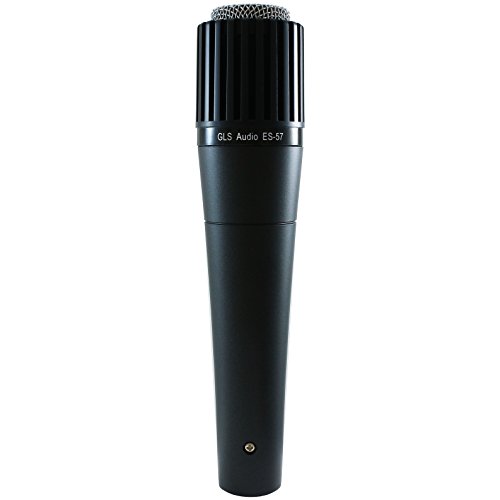
Designed for versatility, the GLS Audio ES-57 microphone is perfect for creators, gamers, musicians, and professionals who need a reliable tool for capturing high-quality sound. This XLR dynamic microphone features a unidirectional cardioid pickup pattern, effectively minimizing off-axis noise, making it ideal for podcasting, streaming, and recording vocals or instruments.
With a frequency response of 50 Hz to 15 kHz (approximately 20 Hz to 20 kHz), and an impedance of 300 ohms, it delivers robust audio performance suitable for various applications, including both studio recordings and live performances. Weighing just 272 grams (9.6 ounces), its compact design includes a durable silver metal mesh grille for capsule protection, ensuring longevity during use. The microphone is compatible with both Lo-Z XLR and Hi-Z 1/4 connectors, allowing it to work seamlessly with a wide range of professional audio equipment.
Best For: Creators, gamers, musicians, and sound engineers seeking an affordable and reliable microphone for enhancing their audio quality in studio recordings, live performances, podcasting, and streaming.
Pros:
- Versatile: Excellent for capturing both instruments and vocals with clarity, perfect for various creative projects.
- Durable Design: Features a robust silver metal mesh grille that protects the capsule, ensuring durability in multiple settings.
- Wide Compatibility: Supports a variety of professional audio equipment through Lo-Z XLR and Hi-Z 1/4 connectors.
Cons:
- Weight: At 272 grams (9.6 oz), it may feel slightly heavier for some users during extended sessions.
- Limited Frequency Response: The range of 50 Hz to 15 kHz might not cover all specialized audio needs for high-end applications.
- Cardioid Pattern: While effective in focused settings, it may not be as versatile in multi-source environments compared to omnidirectional microphones.
This microphone is an excellent choice for those looking to enhance their sound quality without breaking the bank. Whether you’re recording a podcast, streaming a game, or performing live, the GLS Audio ES-57 can help you achieve professional-level audio with ease.
Wireless Instrument Microphone for Acoustic Guitar: 2.4G Cordless Mics

Wireless instrument microphones featuring 2.4G technology provide outstanding clarity and convenience, making them perfect for creators, musicians, and gamers alike. These professional-grade mics ensure seamless 360° omnidirectional pickup and a stable transmission range of up to 160 feet (approximately 49 meters), suitable for live performances, streaming, and outdoor events. With a rechargeable 400mAh battery, users can enjoy up to 12 hours of uninterrupted use (about 720 minutes), and fast charging takes only two hours.
The versatile design is compatible with various devices, making it a great fit for different musical settings or gaming setups. The durable gooseneck and intuitive LED indicators enhance usability, catering to both novice and experienced users.
Best For: Creators, musicians, gamers, and professionals seeking a reliable and user-friendly wireless microphone solution for acoustic performances, podcasting, or streaming.
Pros:
- Pro-grade 2.4G wireless clarity ensures high-quality audio for live performances, recordings, and streaming.
- Long battery life of up to 12 hours allows for extended use without interruptions.
- Versatile compatibility with various devices, making it suitable for a range of musical and gaming settings.
Cons:
- Limited range of 160 feet (about 49 meters) may not suffice for larger venues or expansive setups.
- Rechargeable battery may require frequent charging during intensive use, especially for long sessions.
- Gooseneck design, while flexible, may be less stable in windy outdoor conditions, which could affect performance.
Whether you’re podcasting, streaming, or performing, this wireless microphone offers the quality and convenience you need to enhance your audio capture.
Factors to Consider When Choosing Guitar Microphones
When selecting guitar microphones, several key factors are crucial for achieving optimal sound quality, especially for creators, gamers, musicians, and professionals. Here are some important considerations to keep in mind:
- Frequency Response Range: This refers to the range of sound frequencies the microphone can capture. A broader frequency response can enhance the richness of your guitar sound, making it vital for recording or streaming high-quality audio.
- Pickup Pattern Type: Different microphones have varying pickup patterns (e.g., cardioid, omnidirectional). Understanding which pattern suits your setup can help isolate your guitar sound from background noise, ensuring clarity in your recordings or streams.
- Durability: If you’re using the microphone in various environments—like studio recording, live performances, or home setups—opt for a durable model that can withstand wear and tear.
- Size and Weight: The microphone’s size and weight can impact its usability. Lighter models are often easier to position and adjust, especially in tight spaces or while on the go.
- Compatibility: Ensure that the microphone you choose is compatible with your existing equipment, whether you’re using it for podcasting, streaming, or music production.
Consider these factors to enhance your audio quality and elevate your content creation, ensuring you make informed decisions that fit your needs and budget.
Factors to Consider When Choosing Guitar Microphones
Choosing the right guitar microphone is crucial for creators, gamers, musicians, and professionals looking to enhance their sound quality for podcasting, streaming, gaming, and recording. Here are several key factors to help you make an informed decision:
- Type of Microphone: The microphone type can significantly affect your sound. Dynamic microphones are often preferred for live performances due to their durability and resistance to high sound pressure levels. In contrast, condenser microphones shine in studio settings, capturing finer details and nuances, making them ideal for recording.
- Pickup Pattern: The microphone’s pickup pattern is essential for isolating the guitar sound while minimizing background noise. Cardioid or super-cardioid patterns are excellent choices for this purpose, directing sound capture from the front while rejecting noise from the sides and rear.
- Durability and Build Quality: If you transport your equipment frequently or perform in various environments, durability is key. Look for microphones built to withstand the rigors of travel and high sound pressure levels, ensuring longevity and reliability.
- Connectivity Options: Ensure the microphone you choose is compatible with your existing audio setup. Look for options that include XLR and 1/4-inch connectors, which are commonly used in various equipment. This compatibility ensures seamless integration into your current system.
- Affordability: Since our audience seeks affordable solutions, consider your budget while looking for microphones that offer the best value for your needs. There are many options available that provide excellent quality without breaking the bank.
Frequency Response Range
Understanding Frequency Response Range for Your Microphone Needs
For creators, gamers, musicians, and professionals, grasping the frequency response range of a microphone is crucial. This range indicates the spectrum of sound frequencies a microphone can capture, typically measured in Hertz (Hz). A wider frequency response enhances clarity and detail, which is essential for accurately reproducing the nuances of both acoustic and electric guitars.
Many microphones designed for guitar applications emphasize specific frequency ranges, often boosting mid and high frequencies to improve presence and tonal characteristics. When selecting a microphone, consider its frequency response in relation to your specific needs, whether you’re strumming chords or fingerpicking intricate melodies.
Additionally, think about how you plan to use the microphone—whether for live performances, studio recordings, podcasting, or streaming. The right microphone will effectively capture the sound quality you’re aiming for, ensuring that your audio stands out in any setting.
Pickup Pattern Type
Understanding Microphone Pickup Patterns for Creators and Gamers
How does the pickup pattern of a microphone influence sound capture? The pickup pattern is crucial for creators, gamers, and musicians, as it determines how a microphone captures sound from different directions, significantly affecting performance.
Cardioid Microphones: These are designed to capture sound primarily from the front, making them ideal for isolating vocals or instruments, such as guitar, while minimizing background noise. This feature is particularly beneficial for podcasters and streamers who want to focus on their voice without distractions.
Supercardioid Microphones: With a narrower pickup pattern, supercardioid mics focus intently on the sound source but also pick up some sound from the rear. This can be advantageous in live settings, as it allows for increased gain before feedback, which is essential for musicians performing in front of an audience.
Omnidirectional Microphones: These capture sound equally from all directions, making them perfect for recording multiple instruments, ambient sounds, or group discussions. If you’re looking to create a more immersive audio experience in your podcasts or streams, an omnidirectional mic might be the right choice.
Selecting the right pickup pattern is essential based on your performance environment and the type of sound isolation or blending you need. Whether you’re recording a podcast, streaming gameplay, or making music, understanding microphone pickup patterns will help you enhance your audio quality and connect better with your audience.
For more guidance on choosing the best microphone for your needs, check out our tutorials, honest reviews, and buying guides tailored for creators, gamers, musicians, and professionals.
Durability and Build Quality
Durability and Build Quality in Microphones for Creators
When selecting a microphone for podcasting, streaming, gaming, or music production, durability and build quality are crucial for ensuring reliable performance across various environments. A microphone made from rugged materials, such as an all-metal body, can handle frequent transport and diverse settings, making it ideal for creators on the go.
Microphones designed to handle high sound pressure levels often incorporate robust components that can manage loud audio without distortion or damage. Protective features, like a metal mesh grille, are vital for safeguarding the microphone capsule against physical impacts, which is especially important during live performances or while traveling.
While lightweight designs enhance portability—making it easier to move your setup—they must also maintain the strength and stability required for high-quality audio capture. Additionally, weather-resistant or moisture-proof features are beneficial for outdoor use, ensuring your microphone remains reliable in varying atmospheric conditions. This durability guarantees longevity across diverse applications, allowing creators, gamers, and musicians to focus on producing great sound without worrying about their gear.
Whether you’re podcasting in a studio or gaming at a friend’s house, choosing a microphone with solid durability and build quality will enhance your overall experience and performance.
Microphone Size and Weight
Microphone Size and Weight: A Guide for Creators and Musicians
When selecting a microphone, its size and weight can significantly impact your setup, whether you’re podcasting, streaming, gaming, or recording music.
Portability vs. Stability
Smaller microphones are often preferred for their portability, making them easy to transport and set up quickly. Their compact design is particularly useful for close-miking applications, allowing you to position them unobtrusively without disrupting your performance. For instance, a microphone weighing around 200 grams (0.44 pounds) can easily fit into a laptop bag, while its size—typically around 15 cm (5.9 inches) in length—ensures it won’t crowd your workspace.
On the other hand, heavier microphones, usually around 500 grams (1.1 pounds) or more, offer enhanced durability and stability, which can be crucial in rugged environments, such as during extensive tours or live events. While these models provide robust sound quality, their weight can affect user comfort and mobility. Lighter models may shift more easily, potentially impacting sound capture during a dynamic performance.
Finding the Right Balance
Ultimately, the ideal microphone balance between size and weight depends on your specific needs as a creator, gamer, musician, or professional. Whether you prioritize convenience for quick setups or stability for longer sessions, understanding how different sizes and weights affect performance is essential.
For those in the UK, a standard microphone might range from 10 cm to 20 cm (4 to 8 inches) in height and weigh from 200 grams to 800 grams (0.44 to 1.76 pounds). In Australia, similar metrics apply, helping you find the right fit for your audio needs.
Explore our tutorials, reviews, and buying guides to make an informed decision on which microphone suits your creative journey best!
Connectivity Options Available
Choosing the Right Connectivity Options for Your Microphone
Selecting the appropriate connectivity options is crucial for creators, gamers, and musicians looking to enhance sound quality and flexibility with their microphone setups. Most microphones feature XLR connectors, which provide balanced audio signals, leading to improved sound quality and reduced noise—perfect for podcasting, streaming, and recording.
Additionally, some models come equipped with Hi-Z 1/4 inch (6.35 mm) connectors, allowing for direct connections to instrument amplifiers and effects pedals, which can be especially beneficial for musicians. For those who prioritize mobility, wireless options utilizing 2.4G technology can free you from cumbersome cables, making them ideal for on-the-go performances or streaming sessions.
Many microphones also offer dual connectivity options, such as XLR and 1/4 inch outputs, which enhance versatility for diverse audio setups. It’s essential to evaluate the impedance of both the microphone and the input device to ensure optimal performance and sound quality across various applications.
Understanding these connectivity options will help you make a more informed decision, ensuring that you get the best sound possible—no matter where your creative journey takes you. Whether you’re podcasting in Canada, streaming from the UK, or recording in Australia, having the right microphone and connectivity can significantly impact your audio quality.
Application Versatility
Application Versatility in Microphones for Creators and Musicians
When selecting the right guitar microphone, application versatility is crucial for creators, gamers, musicians, and professionals. A microphone’s ability to adapt to different recording environments—whether for podcasting, streaming, live performances, or studio recordings—can significantly enhance sound quality.
Key considerations include the microphone’s compatibility with various acoustic instruments and its performance in diverse settings. For instance, a cardioid pickup pattern is ideal for isolating sound sources while minimizing background noise, ensuring clarity during recordings. Condenser microphones, known for their sensitivity and broad frequency response, are perfect for capturing the nuances of strings and percussion, making them a favorite among musicians. In contrast, dynamic microphones are better suited for live environments due to their durability and ability to handle high sound pressure levels without distortion.
Additionally, versatile connectivity options like XLR (3.5 cm) and 1/4 inch (6.35 mm) ensure that microphones can easily integrate with a wide range of audio equipment, enhancing their utility for any creator.