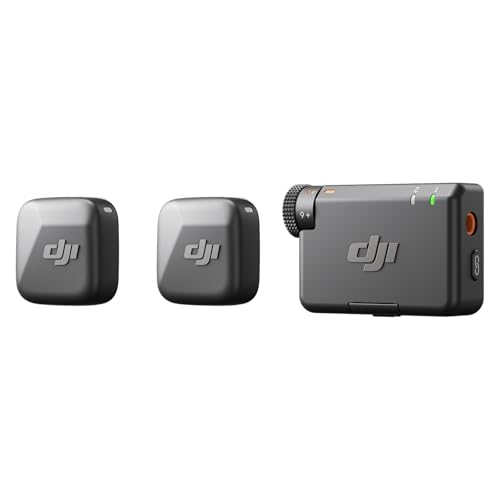

A wireless microphone captures sound without cables, utilizing radio waves to transmit audio signals seamlessly. This innovative technology comprises a microphone, transmitter, and receiver. The microphone converts sound into electrical signals, which the transmitter then sends wirelessly. This freedom of movement makes wireless microphones particularly ideal for performances, conferences, and broadcasting.
Understanding the different types of wireless microphones, their advantages, and potential challenges is essential for creators, gamers, musicians, and professionals. By familiarizing yourself with the various options available, you can select the perfect wireless microphone for your specific needs, ensuring the best audio experience in any environment. Whether you’re podcasting, streaming, or recording, a wireless microphone can enhance your setup and help you achieve professional-quality sound.
Key Takeaways
- A wireless microphone transmits audio signals without cables, using radio waves for sound capture and transmission.
- It consists of three main components: a microphone, a transmitter, and a receiver.
- Various types include handheld, lavalier, headset, and instrument models, each suited for specific applications.
- Wireless microphones enhance movement freedom, reduce trip hazards, and simplify audio setup in live events and broadcasting.
- They face challenges like RF interference and range limitations, necessitating careful selection and coordination for optimal performance.
What Exactly Is a Wireless Microphone?
A wireless microphone is a sophisticated audio device that enables sound capture without the constraints of physical cables. As its name suggests, a wireless microphone operates using wireless technology, transmitting audio signals through radio waves.
The essential components of this system include a microphone, transmitter, and receiver. When you speak into the wireless microphone, the microphone converts sound into an electrical signal, which the transmitter then transforms into a radio-frequency signal for wireless transmission. This signal travels through the air to the receiver, which demodulates it back into audio.
The appeal of a wireless microphone lies in the freedom of movement it provides for performers and presenters, making it ideal for conferences, stage productions, and broadcasting. Additionally, wireless microphones can operate in various radio frequency bands, ensuring reliable audio transmission across different environments. For professional settings, reliability impacts audience perception, making a wireless microphone an essential investment.
Whether you’re a musician, gamer, or content creator, investing in a wireless microphone can enhance your audio experience, allowing you to capture high-quality sound without the hassle of cables.
In today’s fast-paced digital landscape, a wireless microphone is an essential tool for anyone serious about their audio quality.
What Are the Different Types of Wireless Microphones?
Wireless microphones come in various types, each tailored for specific applications and user needs. Understanding the different types of wireless microphones can help you choose the best fit for your performance style.
Handheld microphones, for instance, offer quick setup and visibility, making them ideal for public speaking engagements. On the other hand, lavalier microphones provide discreet placement, which is perfect for presentations, although attention to clothing noise is essential.
Headset models enhance mobility and are suited for dynamic performances, providing both stability and feedback control. For musicians, instrument types, like clip-on condensers, cater to their unique needs, allowing freedom from cables. Each type of wireless microphone addresses specific challenges, ensuring you can select a model that prioritizes visibility, discretion, mobility, or instrument compatibility. By exploring the various types of wireless microphones, you can better understand which option will work best for your creative endeavors, whether it’s podcasting, streaming, or live performance. Additionally, handheld microphones offer the best audio quality among wireless microphones due to their diaphragm size, making them a reliable choice for optimal audio performance.
What Are the Advantages of Using Wireless Microphones?
Certainly! Here’s the revised content with the requested additions:
—
Understanding the various types of wireless microphones highlights the significant advantages of using wireless microphones. These wireless systems provide unparalleled performance freedom by eliminating cables, which enhances safety and promotes aesthetic improvement by reducing trip hazards and clutter. Additionally, they ensure audio clarity with advanced digital features and reliable connections, making them suitable for various applications in live sound. Furthermore, the durability of wireless systems ensures consistent performance without interruptions, making them a reliable choice for any professional setting. Moreover, the freedom of movement afforded by wireless microphones allows performers to engage with their audience more effectively.
| Advantage | Description |
|---|---|
| Performance Freedom | Unrestricted movement across stages and venues |
| Safety Enhancement | Reduced trip hazards in performance spaces |
| Aesthetic Improvement | Clean setups without cable clutter |
| System Integration | Easy integration with mixers and PA systems |
The advantages of using wireless microphones extend to their application versatility, simplifying logistics while supporting diverse performance needs. By incorporating these wireless systems, creators, gamers, musicians, and professionals can enhance their audio experiences, making them an essential choice in today’s multimedia landscape.
Key Challenges of Using Wireless Microphones in Various Environments

- RF interference from Wi-Fi and other devices often leads to audio dropouts.
- Physical limitations, such as walls and crowds, create range challenges that result in weak signals. Additionally, multi-path interference can exacerbate these issues by causing signal cancellation indoors. To mitigate these effects, antenna diversity can be implemented to enhance reception quality. Understanding how Bluetooth microphones operate can also provide insights into optimizing performance in crowded environments.
- Effective system coordination is crucial; overlapping channels can introduce distortion.
Navigating these challenges requires careful planning.
It’s essential to consider signal congestion and operational risks to ensure reliability, especially in high-density settings.
Understanding Wireless Microphone Systems
A wireless microphone system comprises three core components: a microphone, transmitter, and receiver. The microphone converts sound waves into an electrical audio signal, which the transmitter modulates onto a radio-frequency (RF) signal for wireless transmission.
The receiver, tuned to the same frequency, captures this RF signal and demodulates it back into usable audio. This signal flow involves sound capture, transmission, reception, and output processing. Understanding *wireless microphone systems* is crucial, as proper frequency tuning is essential for clear audio, preventing interference and ensuring optimal performance. Additionally, the use of digital systems can significantly enhance audio clarity and reduce transmission artifacts. Every wireless system operates on selectable groups and channels that help avoid interference and enhance performance.
By grasping these principles, creators, gamers, musicians, and professionals can fully appreciate how wireless technology effectively eliminates cables, enhancing connectivity in various settings.
Embracing the benefits of wireless microphone systems allows you to elevate your podcasting, streaming, and recording experiences to new heights.
Choosing the Best Wireless Microphone for Your Specific Needs
Choosing the Best Wireless Microphone for Your Specific Needs involves understanding your application context, environment, and audio performance requirements.
- For live vocals, select handheld dynamics to ensure high feedback rejection.
- In presentations, opt for lavalier systems or headset microphones that offer hands-free convenience.
- If you’re focused on filmmaking or content creation, clip-on transmitters can streamline your setup.
When considering the best wireless microphone for your specific needs, think about dual-channel setups for capturing multiple speakers.
Ensure that compact receivers align with your workflow.
Evaluate essential factors such as range, RF stability, and sound quality to guarantee peak performance tailored to your unique situation. Additionally, understanding lavalier microphones can help you choose the right option for interviews and video production.
Making the right choice can significantly enhance your audio experience, whether you’re podcasting, streaming, gaming, or recording.