A wireless microphone works by converting sound into electronic signals. The microphone captures your voice, creating an audio signal. This signal is then sent to a transmitter, which transforms it into radio frequency signals for transmission. The receiver picks up these signals, demodulates them, and outputs the original audio waveform. For optimal performance with a wireless microphone system, it’s important to consider factors such as frequency selection and environmental influences. Understanding the components of a wireless microphone setup can significantly enhance your experience, whether you’re a creator, gamer, or musician. Discover how to maximize the benefits of wireless microphones and elevate your audio quality for podcasting, streaming, and recording.
Key Takeaways
- A wireless microphone captures sound through a diaphragm that vibrates in response to acoustic waves, generating an audio signal.
- The transmitter converts the audio signal into radio frequency (RF) signals for wireless transmission, using modulation schemes for efficiency.
- The receiver captures RF signals, demodulating them to extract the original audio waveform while filtering out interference.
- Audio processing enhances sound quality by applying de-emphasis and expanding dynamic range before amplification to mic or line level.
- Frequency selection and agility are crucial for preventing interference and ensuring reliable performance in various environments.
What Are the Main Components of Wireless Microphone Systems?
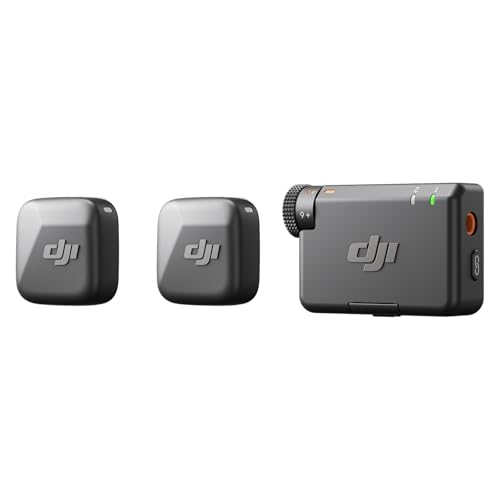
A wireless microphone system comprises several critical components that work together to capture and transmit sound, making it an essential tool for creators, gamers, musicians, and professionals alike.
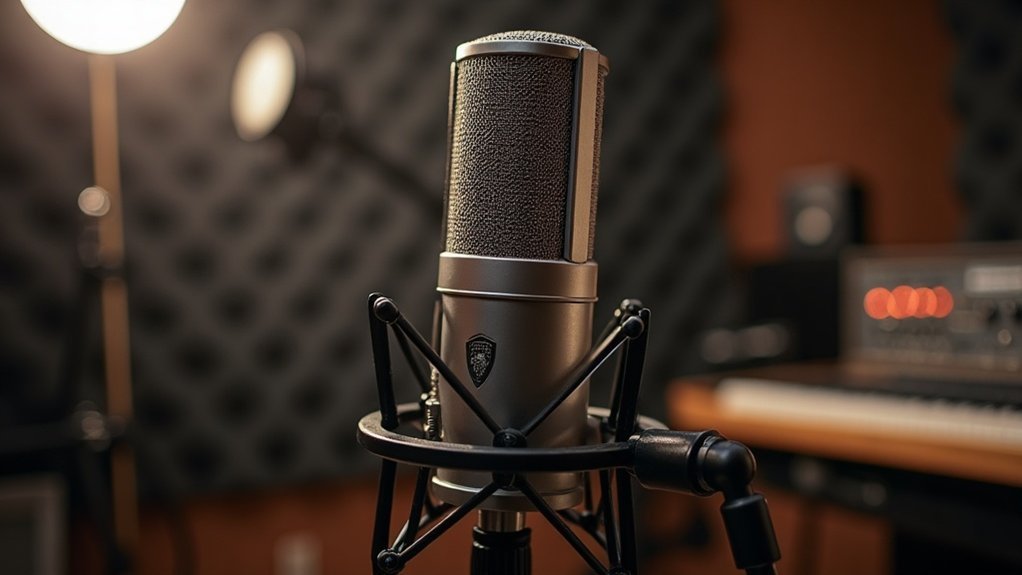
The microphone types, including dynamic, condenser, and electret, vary in sensitivity and frequency response, influencing their suitability for different applications. Understanding the main components of wireless microphone systems, such as the capsule characteristics—polar pattern and off-axis rejection—can directly affect audio quality and feedback resistance. The wireless microphone system is essential for transmitting audio wirelessly, ensuring that performers can move freely without compromising sound quality. Additionally, digital systems offer greater audio clarity and reduced interference, enhancing the overall performance experience. Wireless microphones are often used in live performance settings, making them versatile for various entertainment purposes.
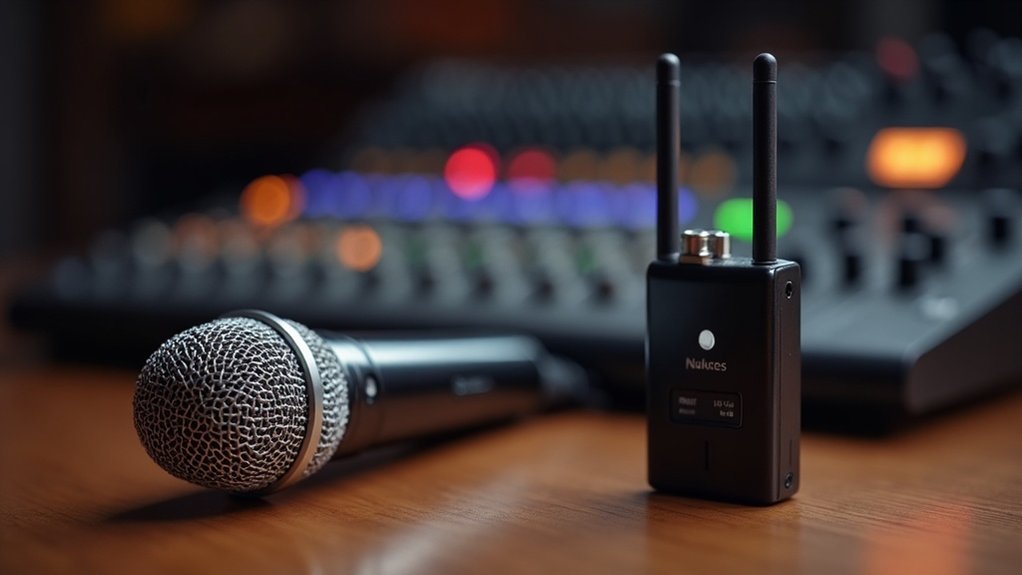
The transmitter in these systems converts the audio signal into a radio frequency signal, while the receiver demodulates it back into audio for output. Antennas play a crucial role in facilitating the RF link, ensuring reliable communication throughout your performance.
The transmitter converts audio to radio frequency, while the receiver restores it, with antennas ensuring reliable communication for seamless performances.
Each component is vital in delivering high-fidelity sound in various environments, enhancing your overall experience. By grasping the main components of wireless microphone systems, you can make informed decisions that elevate your podcasting, streaming, or recording endeavors.
How Does the Sound Capture Process Work in Wireless Mics?
How does the sound capture process work in wireless microphones to translate acoustic energy into usable audio? The journey begins when acoustic waves strike the microphone’s diaphragm, causing it to vibrate in a manner that mirrors the original sound waveform.
In dynamic mics, this diaphragm movement generates voltage through electromagnetic induction, while electret or condenser mics modify capacitance to create an audio signal. The diaphragm’s motion is transformed into a low-level analog audio signal, which is then amplified by an internal preamplifier for enhanced clarity. This initial analog path is crucial in the sound capture process of wireless microphones, as it establishes the noise floor and dynamic range. By ensuring that the captured audio signal maintains fidelity, this process effectively minimizes unwanted noise, providing a clear representation of the intended sound. Additionally, the condenser microphones are often favored for their ability to capture a wider frequency range and greater detail.
Understanding how the sound capture process works in wireless microphones can greatly benefit creators, gamers, musicians, and professionals seeking to optimize their audio setup for podcasting, streaming, gaming, and recording. Additionally, the wireless audio transfer allows for greater flexibility in positioning the microphone, further enhancing the quality of sound capture. Moreover, the key components of wireless systems ensure a seamless transition from sound capture to transmission, optimizing the overall audio experience.
What Role Does the Transmitter Play in Wireless Audio Transmission?
The transmitter plays an essential role in wireless audio transmission, acting as a crucial link between the microphone and the receiver. While the microphone captures sound, the transmitter converts this audio signal into a format suitable for wireless transmission. Specifically, it transforms baseband audio into a radio-frequency (RF) signal, utilizing various modulation schemes to ensure the audio is effectively encoded onto the RF carrier.
In digital systems, the transmitter also performs A/D conversion, which optimizes signal quality and reduces latency—a vital factor for creators and professionals relying on accurate sound reproduction. The transmitter’s built-in microphone allows for direct voice capture, enhancing flexibility in placement for optimal sound quality. This is particularly advantageous in scenarios where the transmitter can function independently to accommodate various recording needs.
The antenna system then radiates the modulated RF signal, while careful frequency selection and channelization help prevent interference. This meticulous process enables reliable audio transmission for live performances, broadcasts, and other applications where wireless audio is essential.
Understanding Receiver Demodulation and Audio Output?
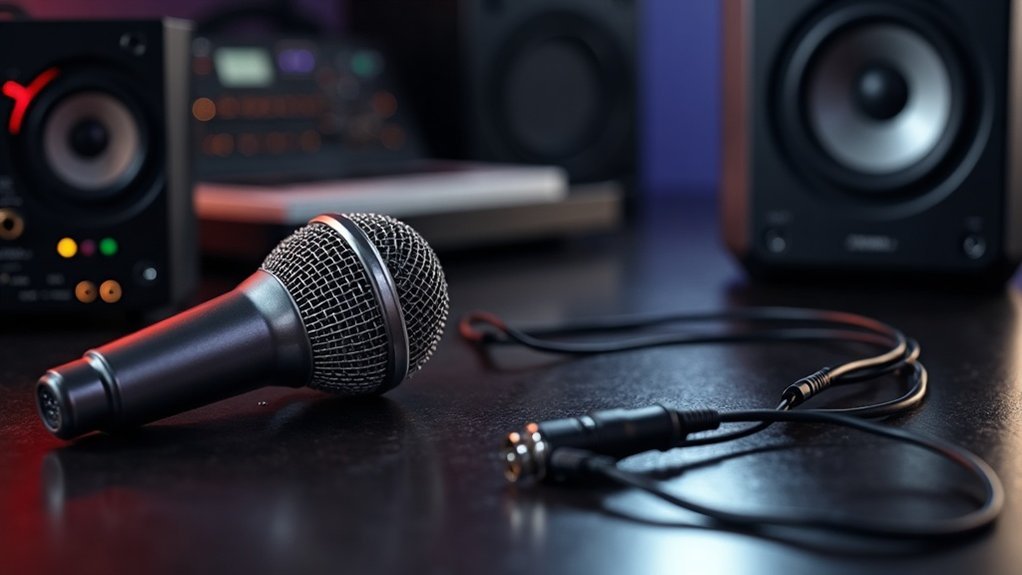
After the transmitter encodes and sends the audio signal, the receiver takes center stage in the process of understanding receiver demodulation and audio output in wireless audio transmission. It captures RF energy, tuning into the desired frequency while effectively filtering out interference.
Utilizing various demodulation techniques, the receiver extracts the original audio waveform from the RF carrier, a crucial step in understanding receiver demodulation. This process relies on a strong carrier-to-noise ratio to ensure clarity in sound reproduction.
Once demodulated, audio processing plays a vital role; it applies de-emphasis and expands dynamic range, significantly enhancing sound quality.
Finally, the output stage amplifies the signal to mic or line level, allowing for seamless integration with mixers, recorders, or speakers. This coherent flow is essential for achieving peak audio performance, underscoring the importance of understanding receiver demodulation and audio output for creators, gamers, and musicians alike.
Key Considerations for Selecting Wireless Microphones
Selecting a wireless microphone requires careful consideration of several key factors to guarantee ideal performance in your specific environment.
Key considerations for selecting wireless microphones include band selection; choose between VHF, UHF, or 2.4 GHz based on usage scenarios and local spectrum regulations. Additionally, UHF systems are often preferred for their reliability over distances and reduced interference issues. Frequency agility is vital for managing multiple microphones in environments with high RF congestion. Understanding the difference between mic level and line level can also help you optimize your audio setup.
Environmental factors like RF congestion and venue layout significantly impact range and audio quality. For effective interference management, opt for frequency-agile systems in high-density areas.
It’s also crucial to confirm system compatibility, especially for setups with multiple channels, to avoid mutual interference.
Lastly, consider form factors that suit your application—whether handheld, lavalier, or headset—to effectively meet your audio needs.