Microphones generally last from a few years to several decades, depending on their type, quality, and your maintenance practices. When considering how long do microphones last, entry-level models may only endure 2–5 years, while high-quality microphones can exceed 30 years with proper care. Environmental factors and usage frequency play significant roles in their lifespan. If you’re noticing signs like muffled sound or increased distortion, it’s crucial to assess your microphone. To help you better understand how long do microphones last, keep reading to discover tips for extending their lifespan and ensuring peak performance, so you can keep your podcasting, streaming, or recording sessions at their best.
Key Takeaways
- Microphones can last anywhere from 2 to 40+ years, depending on the type and maintenance practices.
- Entry-level microphones typically last 2–5 years, while high-quality models can exceed 30 years with care.
- Dynamic microphones generally last 10–20 years, while condenser microphones are more fragile, lasting 5–20 years.
- Signs of aging include loss of clarity, muffled sound, and increased distortion, indicating a need for replacement.
- Regular maintenance, proper storage, and gentle handling can significantly extend a microphone’s lifespan.
What Factors Influence Microphone Lifespan?
When evaluating microphone lifespan, several critical factors influence microphone longevity that directly impact their operational lifespan.
Construction materials and design quality play a significant role; robust designs can withstand mechanical wear, allowing microphones to last decades, while cheaper units may fail within 5–10 years. Proper maintenance can extend lifespan significantly, allowing microphones to last over 30 years. Additionally, following manufacturer recommendations can help ensure optimal use and durability. Regular cleaning of the microphone can also enhance its performance and longevity, as cleaning techniques can remove debris that affects sound quality.
Environmental factors, such as humidity and temperature extremes, can also accelerate deterioration, further affecting microphone lifespan.
Your usage frequency is another crucial aspect; daily handling increases wear, while careful storage can help extend microphone longevity.
Finally, your maintenance habits—like regular cleaning and proper storage—significantly contribute to how long your microphone lasts.
Understanding Microphone Lifespan Expectations
Understanding microphone lifespan expectations is essential for both consumers and professionals, as it directly impacts investment and performance. When you grasp these microphone lifespan expectations, you can make informed decisions that enhance your audio quality and budget. Well-maintained microphones can last anywhere from 5 to 30 years, depending on quality and usage. Here’s a quick overview:
| Microphone Type | Expected Lifespan |
|---|---|
| Entry-Level | 2–5 years |
| Non-Premium | 5–10 years |
| High-Quality | 20–30+ years |
| Vintage Microphones | 30–40+ years |
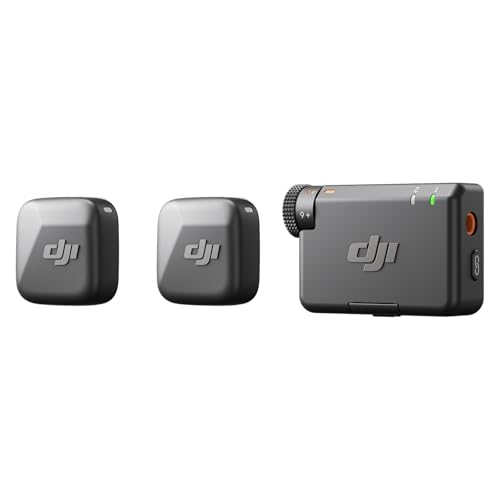
| Wireless Systems | 10–12+ years |
Regular microphone maintenance is vital for preserving sound quality and prolonging life, ensuring your investment pays off. Dynamic microphones typically offer a longer lifespan than their condenser counterparts, making them a reliable choice for those seeking durability. Moreover, their robust construction is particularly suited for live settings, which can contribute to their longevity. Additionally, understanding the environmental susceptibility of microphones can further aid in optimizing their lifespan. By understanding these microphone lifespan expectations, you can select the right gear for your podcasting, streaming, or recording needs, making the most out of affordable microphones tailored to your creative pursuits.
Comparing Lifespans: Dynamic, Condenser, and Ribbon Microphones
While each microphone type serves distinct purposes, their lifespans can vary greatly based on design and usage. When comparing lifespans: dynamic, condenser, and ribbon microphones, dynamic microphones boast exceptional durability, often lasting 10–20 years, with many exceeding 40 years when cared for properly. This longevity is partly due to the fact that dynamic microphones don’t require external power, which contributes to their simplicity and robustness.
In contrast, condenser microphones exhibit fragility, typically lasting 5–20 years, influenced by their delicate components. Ribbon microphones demonstrate remarkable resilience, capable of decades of use, yet they require more maintenance due to their susceptibility to damage. Lifespan is influenced by usage frequency overall, lifespan comparisons of dynamic, condenser, and ribbon microphones show that with proper handling, any microphone type can endure several years to multiple decades. This highlights the importance of proper maintenance over mere age.
Understanding these differences is crucial for creators, gamers, musicians, and professionals seeking the right microphone for their needs.
Signs Your Microphone Needs Replacement?
Microphones, regardless of type, can exhibit signs that indicate it’s time for a replacement. Recognizing the signs your microphone needs replacement is crucial for maintaining sound quality.
Here are some key indicators of microphone degradation affecting sound clarity:
- Noticeable loss of clarity or a dull tone in recordings.
- Persistent muffled sound, even after troubleshooting.
- Increased distortion at normal levels.
- Frequent background noise or interference artifacts.
If you notice these issues, it’s a clear signal that your microphone may be nearing the end of its lifespan. Dynamic mics are known for their durability, but even they can show these signs over time. Regular inspections can help identify specific failure points that may contribute to hardware issues. Additionally, common reasons for poor sound quality can often stem from issues not directly related to the microphone itself.
Being aware of the signs your microphone needs replacement can help you address these problems promptly, ensuring your audio quality remains top-notch.
Don’t overlook these signs; maintaining your sound integrity is essential for keeping your recordings professional and engaging.
What to Do If Your Microphone Shows Signs of Aging?
As your microphone shows signs of aging, addressing the issue promptly can prevent further degradation of sound quality. Knowing what to do if your microphone shows signs of aging is crucial for maintaining optimal performance.
Start with a performance assessment, comparing current recordings to reference sounds from when the mic was new. This A/B comparison can help you identify any degradation in sound clarity and fidelity. Additionally, be aware that self noise can increase over time, which may contribute to an overall decline in audio quality.
Next, evaluate repair options by consulting a professional for inspection and possible refurbishment. A professional inspection guarantees a thorough assessment of your microphone’s condition, although it may incur service costs. Keep in mind that aging impacts various components beyond the capsule, which may also affect the sound quality. Regular maintenance can help mitigate mechanical creep that affects the diaphragm over time.
If specific issues are identified, consider targeted repairs that address these problems directly. This may require some skill, depending on the complexity of the repair.
If your microphone is high-end, refurbishment can be a smart move, as it extends the lifespan of your equipment and can be cost-effective in the long run.
Additionally, adapting your usage can help mitigate any performance loss, allowing you to reserve your microphone for less critical roles until it can be serviced.
Knowing what to do if your microphone shows signs of aging can ensure that you continue to get the most out of your audio equipment for podcasting, streaming, gaming, and recording.
Tips for Extending Your Microphone’s Life
To maximize your microphone’s lifespan, it’s crucial to implement a regular cleaning routine, guarantee proper storage, and adopt gentle handling techniques. Cleaning reduces contamination and wear on critical components, while careful storage protects against environmental damage. Additionally, using a shock mount can help minimize vibrations and handling noise, further preserving your microphone’s integrity.
Regular Cleaning Routine
While maintaining your microphone might seem tedious, a regular cleaning routine is vital for guaranteeing its longevity and peak performance.
By incorporating a regular cleaning routine into your microphone maintenance, you can ensure reliable acoustic performance for all your podcasting, streaming, and recording needs.
Adhering to a consistent cleaning frequency using the right maintenance tools can greatly enhance your microphone’s lifespan.
- Wipe the body and grille with a soft, lint-free cloth.
- Clean detachable grilles with mild soap or 70% isopropyl alcohol.
- Disinfect high-touch surfaces with alcohol-based wipes.
- Use soft brushes for gentle grime removal, avoiding harsh chemicals.
Implementing these practices as part of your regular cleaning routine not only preserves your microphone’s condition but also maximizes its performance, allowing you to focus on what truly matters—creating great content. Additionally, background noise can often be minimized by ensuring your microphone is clean and well-maintained.
Proper Storage Practices
Using protective cases is essential to shield against dust and environmental factors; orientation matters—upright for condensers and vertical for ribbons.
Implement effective cable management by disconnecting cables and storing them separately to prevent strain.
Incorporate moisture control with desiccant packs and maintain humidity levels around 40-60% RH. Additionally, compressors and limiters can help manage audio levels, ensuring that your recordings remain pristine even in varying conditions.
Gentle Handling Techniques
When you employ gentle handling techniques with your microphone, you significantly reduce the risk of damage and extend its lifespan.
Gentle handling techniques are essential for anyone looking to maximize the performance of their affordable microphones. Consider these practices:
- Maintain a gentle grip on the handle, avoiding excessive squeezing to prevent unnecessary pressure.
- Position your hand around the middle or lower third of the shaft to reduce strain and ensure stability.
- Keep the microphone steady with minimal repositioning to limit mechanical shocks and enhance durability.
- Use your non-dominant hand for handheld use to decrease fidgeting, thus promoting better sound quality.
Additionally, using a shock mount can further isolate the microphone from vibrations, enhancing its longevity and performance.
Why High-Quality Microphones Matter
High-quality microphones matter for achieving superior audio fidelity, capturing sound with meticulous detail and clarity. By utilizing advanced microphone technology, these devices offer extended frequency response and exceptional sensitivity, ensuring natural sound reproduction.
This translates to clearer, more intelligible recordings, significantly enhancing your production quality. With a high dynamic range and lower self-noise, you can reduce the need for extensive post-processing, simplifying your workflow.
Furthermore, professional-grade microphones bolster your credibility, delivering a polished sound that truly engages audiences. Ultimately, investing in high-quality microphones not only elevates your sound quality but also reinforces your commitment to excellence in every project.
In the realm of podcasting, streaming, and gaming, the importance of high-quality microphones can’t be overstated, as they’re essential tools for creators striving to produce top-tier content. Additionally, condenser microphones are particularly renowned for their ability to capture sound nuances, making them a popular choice among professionals.