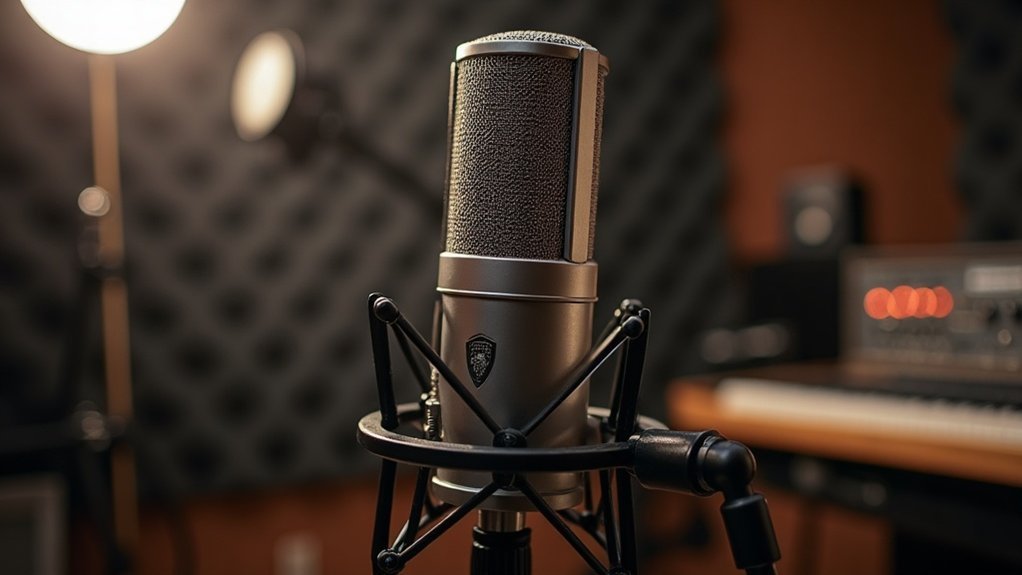
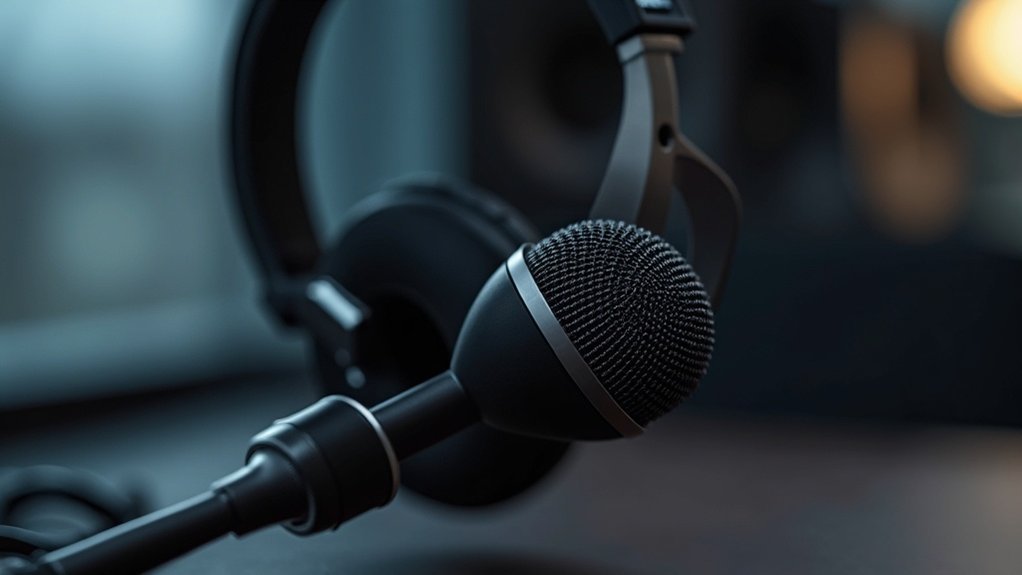
A headset microphone is a versatile device that combines headphones and a microphone, specifically designed for optimal audio input and output. Typically, the microphone is positioned on a boom arm, which enhances clarity while minimizing background noise. These headset microphones are ideal for creators, gamers, and professionals, providing hands-free operation and comfort during extended use.
When exploring the various types and applications of a headset microphone, you can uncover the best option to suit your needs. Whether you’re podcasting, streaming, or recording, understanding what to look for in a headset microphone can significantly enhance your audio experience. Curious about how to choose the right one for your setup?
Key Takeaways
- A headset microphone combines a microphone and headphones for simultaneous audio input and output, ideal for creators and professionals.
- It features a boom arm that positions the mic 2–5 cm from the mouth for optimal sound capture and clarity.
- Directional polar patterns, like cardioid, enhance sound isolation by minimizing background noise during use.
- Available in wired and wireless options, each offers different benefits in audio quality and mobility.
- Common applications include teleconferencing, podcasting, gaming, and live performances, enhancing communication and productivity.
What Is a Headset Microphone and How Does It Work?
A headset microphone is a specialized device that integrates a microphone within a headset, allowing for seamless audio input and output. This innovative setup is particularly beneficial for creators, gamers, musicians, and professionals, ensuring they’ve high-quality audio for podcasting, streaming, and recording. Additionally, headset microphones are often designed for specific applications, which enhances their performance across various scenarios.
The design typically includes a boom arm that positions the microphone 2–5 cm from your mouth, ensuring ideal microphone placement. This proximity enhances sound isolation, capturing your voice clearly while minimizing background noise. Additionally, headset microphones are less prone to feedback, making them a reliable choice for dynamic presentations. The wired and wireless interfaces of headset microphones ensure versatility and convenience for users in various environments.
The boom arm positions the microphone 2–5 cm from your mouth, enhancing sound isolation and clarity while reducing background noise.
The microphone converts your speech into electrical audio signals, which is crucial for effective communication. Directional polar patterns further refine sound capture, focusing on your voice and rejecting unwanted sounds, making the headset microphone an essential tool for anyone looking to enhance their audio experience.
With various configurations available, headset microphones offer reliable performance for diverse applications, ensuring you stay connected effortlessly. Whether you’re gaming, streaming, or recording, understanding how a headset microphone works can significantly improve your audio quality.
Key Benefits of Using a Headset Microphone
Moreover, many gaming headsets are equipped with features that make them suitable for podcasting, providing a cost-effective option for aspiring content creators. With effective sound isolation, you can concentrate better, even in noisy environments. The ergonomic design promotes comfort during extended use, reducing strain on your neck and shoulders. Additionally, hands-free operation allows you to engage fully in tasks without losing audio quality, making *headset microphones* invaluable for both productivity and interaction in various settings. Embracing these *benefits of headset microphones* can significantly elevate your streaming, gaming, or recording experience.
Types of Headset Microphones to Consider
Choosing the right headset microphones to consider can greatly impact your audio experience, especially given the diverse applications and environments in which they’re used.
When exploring headset microphones, consider polar patterns like cardioid for sound isolation or omnidirectional for a natural tone. Cardioid microphones are particularly effective at rejecting sound from the sides and rear, making them ideal for noisy environments. Capsule types vary as well, with condenser microphones offering high sensitivity, while dynamic options provide robust construction. Reliability is another key factor to ensure consistent performance across different conditions. Additionally, noise canceling microphones are essential for busy environments to minimize background distractions during calls.
Mounting styles are another crucial factor; single-ear to dual-ear designs affect comfort and stability. Additionally, evaluate integration methods—whether wired for low latency or wireless for enhanced mobility.
Your choice of construction materials will also influence durability and performance in various environments, ensuring you find the perfect fit among the many headset microphones to consider for your audio needs.
Everyday Applications of Headset Microphones

Headset microphones have become essential tools across various everyday applications, enhancing communication and audio clarity in numerous fields.
In the realm of everyday applications of headset microphones****, you’ll find them particularly valuable in:
- Remote collaboration: Perfect for teleconferencing, these headsets guarantee clear audio during video calls, significantly improving participation and engagement. Their omnidirectional design allows for seamless sound capture from various angles.
- Educational tools: In classrooms and online learning environments, headset microphones help educators project their voice effectively, minimizing distractions and enhancing the learning experience. Their hands-free operation allows teachers to engage more dynamically with students.
- Live performance: Whether for theater or public speaking, headset microphones provide the freedom of movement while maintaining superior audio quality.
These everyday applications of headset microphones highlight how they facilitate effective communication and engagement in both professional and educational settings, making them indispensable in today’s digital landscape.
Whether you’re a creator, gamer, or educator, the benefits of using headset microphones can’t be overstated.
Finding the Perfect Headset Microphone for You
How do you find the perfect headset microphone tailored to your needs? Start by evaluating microphone features, focusing on sound isolation and voice clarity, which are crucial for any headset microphone. Consider the microphone type and polar pattern based on your environment—opting for cardioid or hypercardioid patterns in noisy spaces can significantly enhance your experience. Additionally, understanding the benefits of an omnidirectional microphone can help when selecting a headset for versatile recording situations. Assess noise-canceling technology to improve speech intelligibility, making your headset microphone ideal for gaming or podcasting. Additionally, prioritize sound quality to ensure consistent performance during critical moments. Many headsets also offer various connection types for easy integration with your devices.
Comfort is also a vital factor; choose a wearing style that suits your session length and mobility needs. Guarantee compatibility with your devices by checking connection types and platform certifications to ensure a seamless experience with your headset microphone. Finally, align your selection with your primary use case—whether it’s gaming, calls, or content creation—ensuring the headset meets both performance and ergonomic requirements.
Wired vs. Wireless Headset Microphones: Which Is Better?
When choosing between wired and wireless headset microphones, audio quality and mobility are key considerations. Wired options typically provide superior sound fidelity and reliability, ideal for professional settings, while wireless models offer greater freedom of movement. Understanding these trade-offs can help you select the best microphone for your specific needs. Additionally, USB vs. XLR microphones can also influence your choice, as each type has its own advantages in various scenarios.
Audio Quality Comparison
In the debate over audio quality comparison, wired and wireless headset microphones present distinct advantages and drawbacks.
- Audio Fidelity: Wired mics maintain uncompressed signals, offering superior clarity and full frequency response, making them a top choice in any audio quality comparison.
- Signal Stability: Wired connections minimize interference, ensuring reliable performance, while wireless systems may suffer from RF noise, which is a critical factor in any audio quality comparison.
- Vocal Clarity: Wired models provide better consonant differentiation and subtle dynamics, enhancing intelligibility compared to wireless options that often compress audio, risking detail loss. This difference is crucial when evaluating the audio quality comparison between the two types.
Additionally, understanding frequency response is essential for making informed choices about microphone selection.
Ultimately, if you prioritize audio fidelity and signal stability, wired headsets generally outperform their wireless counterparts in critical applications, reinforcing the findings of any thorough audio quality comparison.
Mobility and Convenience
While audio quality remains a significant aspect of headset microphones, mobility and convenience often play a pivotal role in user preference. Wireless headset microphones excel in mobility features, allowing you to move freely within a range of 30–100 ft. This is ideal for dynamic activities like presentations or fitness instruction, where convenience is key.
In contrast, wired models limit you to a 6–10 ft reach, making them suitable for stationary tasks.
When considering mobility and convenience, wireless options reduce cable clutter and support multitasking, perfect for creators and gamers who need flexibility.
On the other hand, wired models offer instant plug-and-play functionality without battery concerns, making them a reliable choice for professionals in controlled environments.
Ultimately, your choice hinges on your specific needs for mobility and convenience, balancing the freedom of movement with the straightforward usability that wired models provide.
Headset Microphone vs. Headphones: What’s the Difference?
Understanding the distinction between headset microphones vs. headphones is essential for selecting the right audio gear for your needs. Here’s a quick breakdown:
1. Functionality: Headset microphones combine audio output with a mic for two-way communication, making them ideal for interactive scenarios.
In contrast, headphones focus solely on delivering high-quality listening experiences.
2. Design: Headsets feature a boom mic for optimal microphone placement, enhancing voice clarity during conversations.
Headphones, on the other hand, often lack this specialized design, which can be a drawback for communication-focused tasks.
3. Use Cases: Headsets excel in gaming and video conferencing due to their integrated microphone capabilities, making them a popular choice among gamers and professionals alike.
Meanwhile, headphones shine in music and media consumption, providing an immersive listening experience without the need for a microphone.
When considering headset microphones vs. headphones, choose wisely based on your primary audio requirements to guarantee an excellent experience tailored to your needs.