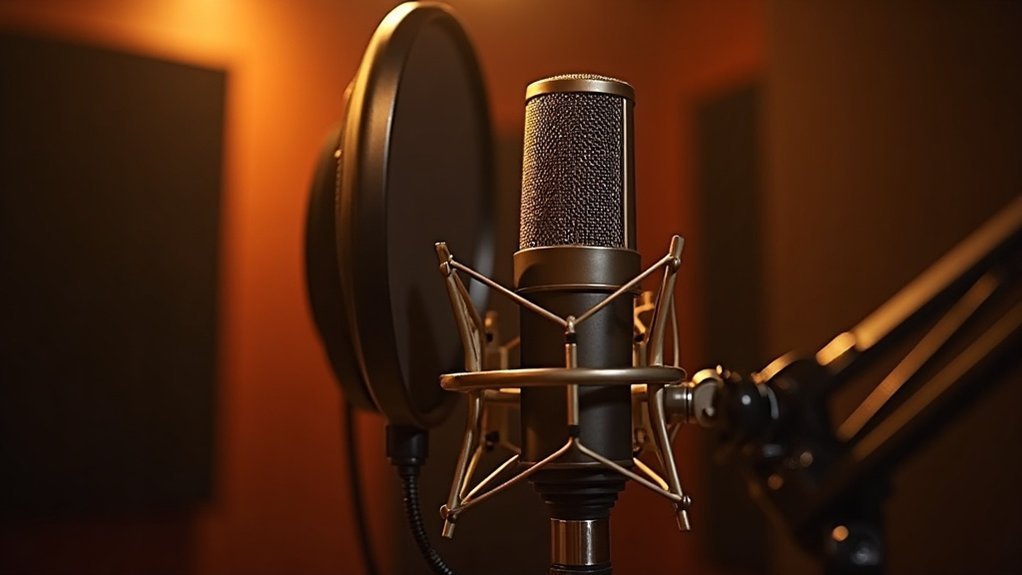

A reflection filter is a portable acoustic shield designed to minimize unwanted sound reflections during audio recordings. By positioning it behind your microphone, a reflection filter enhances vocal clarity by intercepting reflections from walls and ceilings. This tool is particularly beneficial in untreated spaces, as it reduces reverberation and ambient noise interference. With the use of a reflection filter, you can achieve clearer, more focused vocal performances. To fully grasp its construction and explore alternatives, continue delving into the details of reflection filters and their acoustic properties. Understanding how these filters work can significantly improve your recording quality, making them essential for creators, gamers, and musicians alike.
Key Takeaways
- A reflection filter minimizes unwanted sound reflections during audio recording, enhancing vocal clarity and quality.
- It acts as a portable acoustic shield, ideal for vocal and voice-over work in untreated spaces.
- The filter intercepts reflections from walls and ceilings, reducing reverberation and ambient noise interference.
- Made from acoustic materials, it improves sound isolation for focused vocal performances.
- Positioning and setup are essential for effectiveness, but it has limitations in low-frequency absorption.
What’s a Reflection Filter?
A reflection filter is an essential tool in modern audio recording, designed to minimize unwanted sound reflections that can muddy your recordings. By strategically positioning a reflection filter around your microphone, you enhance microphone placement for ideal sound absorption.
A reflection filter minimizes unwanted sound reflections, enhancing microphone placement for clearer, more focused recordings.
This portable acoustic shield intercepts reflections from walls and ceilings before they re-enter the mic, fostering a more controlled recording environment. Commonly utilized in vocal recording and voice-over work, a reflection filter effectively reduces reverberation and room coloration. Moreover, it is made from acoustic materials that help absorb and diffuse sound waves for improved clarity. Additionally, a reflection filter is designed to absorb sound reaching the rear of the microphone, further enhancing sound quality.
While it won’t replace full room treatment, a reflection filter provides a practical solution for small spaces, ensuring your recordings remain focused and clear without extraneous noise.
Whether you’re a musician, gamer, or content creator, investing in a quality reflection filter can significantly improve your audio quality.
Why Use a Reflection Filter?
Using a reflection filter can greatly enhance vocal clarity by minimizing unwanted room reflections, resulting in cleaner recordings. It offers a portable acoustic solution that’s both cost-effective and easy to set up, making it ideal for various recording environments. Additionally, reflection filters are designed to block unwanted sound reflections that can interfere with recordings, ensuring a higher quality output. Proper sound treatment can include the use of acoustic panels, which further optimize the recording environment. However, focusing on proper sound treatment is essential for achieving the best results in any recording space.
Enhanced Vocal Clarity
Reflection filters greatly enhance vocal clarity by minimizing unwanted sound interference that can muddy recordings. This is crucial because microphone placement distance can significantly impact the overall quality of your recordings.
These filters improve sound isolation, allowing you to capture a more focused vocal performance while reducing the “roomy” tone that often makes recordings sound distant. You’ll notice a clearer, more intimate sound, where the nuances and details in your voice can truly shine through. This enhancement is especially beneficial in untreated spaces where ambient noise can clutter your recordings. With stronger articulation and reduced plosives, your vocals will feel closer and more natural, making your work more engaging and professional. Additionally, using a reflection filter can significantly reduce ambient noise interference, allowing for a cleaner overall sound. Moreover, employing a reflection filter can create an improved recording environment that further elevates the quality of your vocal tracks.
Reduced Room Reflections
Reduced room reflections through sound absorption significantly curtail direct-wall bounce, cutting down echo and reverberation that muddle your listening environment. This acoustic treatment enhances speech clarity, allowing you to distinguish words without competing reflected sound. By limiting comb filtering, you maintain tonal balance, ensuring a more accurate sound signature. A controlled space improves imaging, helping you localize sound sources more effectively. Ultimately, managing room reflections creates a calmer atmosphere, making your room acoustics more conducive to clear communication and enjoyable listening experiences. Additionally, implementing acoustic treatment methods can further optimize your environment, leading to a dramatic improvement in overall audio quality. Understanding the impact of background noise on recordings can further enhance your audio experience.
Portable Acoustic Solution
These filters offer an affordable option for sound isolation, making them a cost-effective alternative to permanent acoustic treatments. They significantly improve recording quality in rented spaces where modifications aren’t feasible, focusing treatment around the microphone. The sE Electronics Reflexion Filter Pro, for instance, features a six-layer design that effectively diffuses sound waves around the microphone. This filter is crafted with quality craftsmanship to ensure durability and performance. An audio interface can further enhance this setup by providing superior sound quality during the recording process.
Their lightweight design allows for easy transport, enabling consistent vocal capture across locations. By minimizing ambient noise and enhancing clarity, reflection filters serve as compact vocal booths, ensuring your recordings are professional-grade without the need for extensive setups.
Embrace this flexible portable acoustic solution to refine your audio experience in any setting, whether you’re podcasting, streaming, or creating music.
With the right tools, you can achieve studio-like results anywhere.
How Do You Use Reflection Filters?
How Do You Use Reflection Filters to enhance your recordings effectively?
Begin by positioning your microphone directly in front of the reflection filter, ensuring that the vocalist’s direct sound reaches the capsule first. It’s important to keep the filter close enough to intercept rearward sound, but not so close that it introduces tonal coloration.
Position your microphone in front of the reflection filter to capture direct sound while minimizing unwanted reflections.
Adjust the height of the filter to align with the performer’s mouth level for optimal sound absorption. Additionally, utilize acoustic treatment behind the performer to prevent strong early reflections.
Steer clear of corners and walls to minimize low-frequency buildup. By following these strategic microphone positioning and reflection filter setup tips, you can significantly improve your recordings by controlling unwanted room acoustics.
Incorporating a noise gate can also help to manage unwanted audio noise that may occur during recording sessions.
Mastering how to use reflection filters will elevate your audio quality, making them an essential tool for creators, musicians, and professionals alike.
What Materials Go Into Reflection Filters?
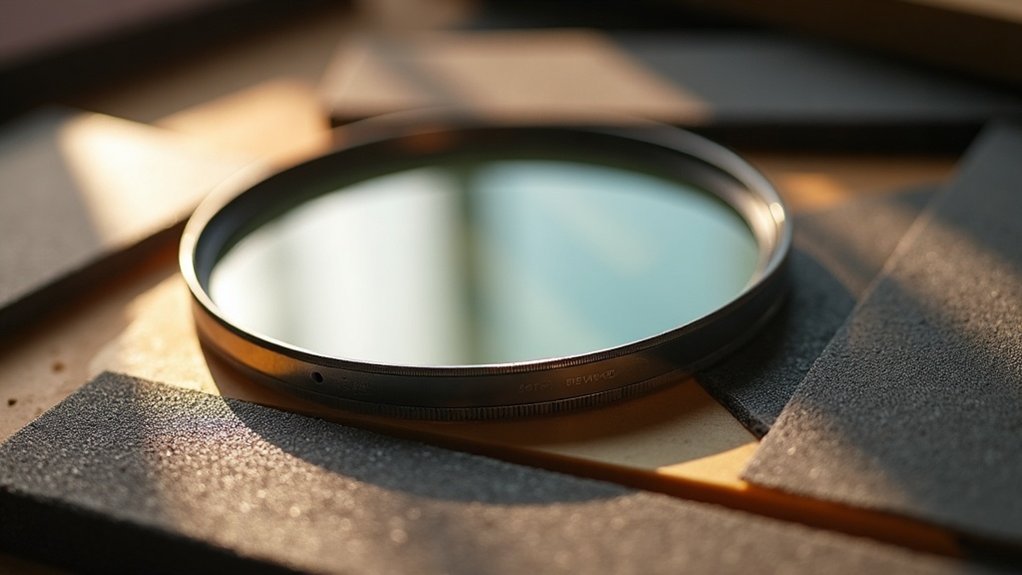
Reflection filters rely on a combination of specialized materials to achieve their acoustic properties, making them essential tools for creators, musicians, and podcasters. The materials that go into reflection filters include acoustic materials like open-cell polyurethane foams, which maximize frequency absorption.
Additionally, structural components such as aluminum and polycarbonate are used for durability and optimal weight distribution.
Design considerations involve metal meshes to facilitate sound diffusion and internal air gaps that enhance overall performance. Multi-layer assemblies use a variety of materials, optimizing cost efficiency while maintaining structural integrity.
Each element plays an essential role in ensuring effective bass trapping and sound control, which is imperative for creating a desirable recording environment.
These factors collectively enhance both the functionality and longevity of your reflection filter, ultimately helping you achieve the best sound quality for your projects. The materials that go into reflection filters are crucial in providing the sound control necessary for professional audio setups.
What Are the Limitations?
While reflection filters can enhance recording quality, users should be aware of the limitations these devices present. Understanding “What Are the Limitations?” of reflection filters is crucial for anyone looking to improve their audio setup.
- Limited effect on overall room acoustics
- Incomplete frequency-response absorption
- Risk of unwanted reflections
- Practical workflow drawbacks
- Cost-effectiveness concerns
These acoustic challenges can lead to sound coloration, making recordings sound less natural. Low frequencies often pass through unattenuated, while midrange absorption is only partial.
Moreover, the design of the filter may redirect unwanted reflections back to the microphone. Ultimately, the improvements provided by reflection filters might be modest.
In untreated rooms, considering broader acoustic treatments often yields more significant benefits, highlighting the importance of recognizing the limitations of these filters.
What Are the Alternatives?
When considering alternatives to reflection filters, vocal booths, acoustic panels, and portable sound shields offer effective solutions for controlling sound reflections.
These options provide varying levels of absorption and isolation, allowing for tailored acoustic treatment based on your recording environment.
Each alternative has unique benefits and limitations that can considerably impact recording quality. Additionally, understanding polar patterns can help you choose the right microphone to complement these acoustic solutions.
Vocal Booths
Exploring alternatives to traditional vocal booths can greatly enhance your recording environment.
These alternatives to traditional vocal booths provide effective options for achieving vocal isolation and acoustic treatment:
- Portable booths using acrylic or PVC frames
- DIY closet booths filled with dense clothing
- Gobos for flexible, movable sound absorption
- Blanket booths constructed from heavy moving blankets
- Utilizing small furnished rooms, like bedrooms or cars, for improved acoustics
These creative alternatives to traditional vocal booths offer practical solutions for reducing reflections and reverb without permanent setups, making them ideal for home studios and budget-conscious creators. Additionally, selecting the right polar pattern for noise rejection can further enhance your vocal recordings.
Embrace your creativity to find the best fit for your unique recording needs, ensuring you get the most out of your affordable microphones for podcasting, streaming, gaming, and recording.
Acoustic Panels
Alternatives to traditional vocal booths pave the way for innovative acoustic solutions, especially when considering acoustic panels.
By incorporating these acoustic panels, you can enhance acoustic absorption and sound diffusion using soft furnishings like thick rugs and heavy curtains, which notably reduce reverberation.
DIY options such as mineral wool absorbers or foam mattress toppers provide cost-effective alternatives to conventional soundproofing, while wall-mounted textiles help tame slap echo.
For eco-friendly choices, acoustic cotton panels and cork treatments deliver sustainable sound control.
By integrating these alternatives alongside acoustic panels, you create a quieter, more balanced space that effectively meets your acoustic needs without the expense of dedicated booths.
Embracing various solutions, including these sound-dampening panels, allows creators, gamers, and musicians to optimize their sound environments.
Portable Sound Shields
However, several alternatives can enhance your recording experience:
- Portable vocal booths for thorough isolation
- Sound blankets to reduce reflections on-the-go
- Acoustic curtains for flexible sound absorption
- Drum and amp shields to manage live noise
- Custom enclosures for tailored acoustic treatment
Each option varies in functionality, cost, and mobility, allowing you to choose what best fits your recording needs. Understanding the role of microphone placement is crucial for achieving optimal audio quality.
Incorporating portable sound shields and their alternatives fosters a sense of community among fellow creators, helping musicians, gamers, and podcasters achieve the best possible audio quality.