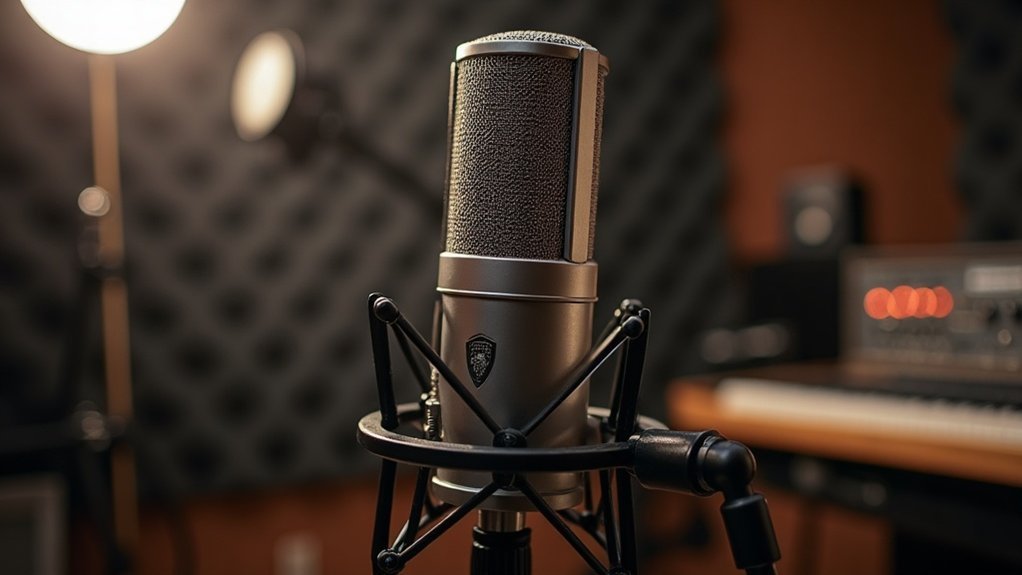
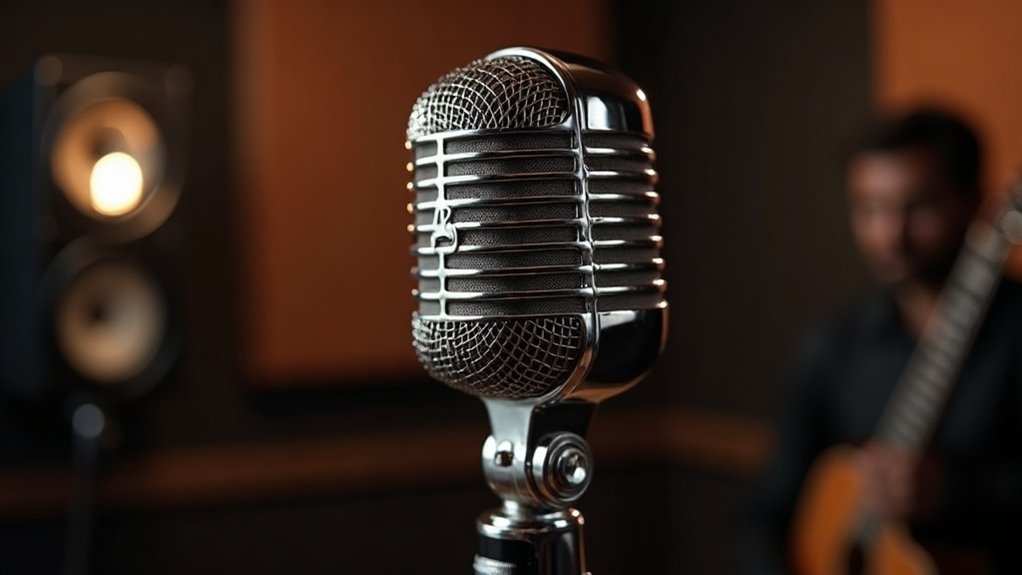
A microphone is an essential device that converts sound waves into electrical signals, effectively translating acoustic energy into usable audio. This fundamental tool for creators, gamers, and musicians consists of a diaphragm that vibrates in response to sound pressure. Various types of microphones, such as dynamic and condenser, cater to different applications, from live performances to studio recordings, making the choice of the right microphone crucial for achieving optimal performance. Key specifications, including frequency response and sensitivity, significantly impact a microphone’s effectiveness. By understanding these factors, you can select the best microphone for your needs, ensuring enhanced audio clarity and quality whether you’re podcasting, streaming, or recording. Ultimately, knowing what a microphone truly is and how it functions will empower you to make informed decisions on your audio equipment.
Key Takeaways
- A microphone is an electronic transducer that converts sound waves into electrical signals, enabling sound recording and amplification.
- It operates through diaphragm movement, which translates acoustic energy into electrical energy.
- Microphones vary in types, including dynamic, condenser, and ribbon, each suited for different audio environments.
- Key specifications include frequency response, sensitivity, and dynamic range, affecting performance in various applications.
- Microphones are essential for communication in devices like smartphones, smart speakers, and professional audio setups.
What Is a Microphone and How Does It Work
A microphone is an essential electronic transducer that converts sound waves into electrical signals, allowing for the capture and transmission of audio. Understanding what a microphone is and how it works is crucial for anyone looking to enhance their audio experience, whether for podcasting, streaming, or music recording.
At its core, it translates acoustic energy into electrical energy. When sound waves hit the diaphragm, they cause mechanical movement, generating a corresponding electrical signal. This signal’s amplitude reflects the pressure variations of the original sound, preserving its characteristics. Microphones vary in polar patterns and designs, which can influence their effectiveness in different audio environments. This process is based on the law of conservation of energy, ensuring that energy is transformed rather than lost. Additionally, the conversion process involves transducer mechanisms that vary among different microphone types, affecting their audio quality and application.
By grasping the basics of how microphones operate, you can better appreciate their role in preamplifying low-level signals for further processing, enabling high-quality recording and communication.
Ultimately, microphones play a vital role in capturing and conveying audio, fostering connection and interaction across various platforms. Whether you’re a gamer, creator, or professional, knowing what a microphone is and how it works will empower you to choose the right device for your needs.
The Different Types of Microphones Explained
Understanding the different types of microphones explained is essential for selecting the right one for your specific audio needs. Here are four primary microphone types that cater to various applications:
- Dynamic Microphones: These robust microphones are ideal for high sound pressure levels and provide strong off-axis rejection, making them perfect for live performances and environments with background noise. Additionally, they are known for their durability and versatility, making them suitable for a range of live sound applications durability and versatility. Dynamic microphones are also designed to handle loud inputs without distortion.
- Condenser Microphones: Known for their sensitivity, these microphones offer a wide frequency response, making them perfect for studio vocals and instruments, where capturing detail is crucial.
- Ribbon Microphones: Delivering a smooth, natural sound, ribbon microphones feature a bi-directional pattern that excels at capturing ambience, adding depth to recordings.
- Connectivity Types: Understanding microphone connectivity is vital; USB microphones provide direct digital connections for convenience, while XLR microphones are preferred for professional audio setups due to their versatility and sound quality.
Microphone Applications in Everyday Life
Microphones play an essential role in various aspects of everyday life, enabling seamless communication and enhancing media creation. Whether you’re using a smartphone or laptop, built-in mics ensure clear voice and video calls, which are crucial for daily interactions. Headsets further enhance this experience by facilitating hands-free interaction during remote work and gaming. Additionally, smart speakers utilize advanced microphone arrays for voice recognition, allowing you to control your environment effortlessly. Microphones convert sound waves into electrical signals, ensuring that your voice is captured accurately. Furthermore, they facilitate phone and video calls over long distances, making them indispensable for maintaining personal and professional relationships. Dynamic microphones, known for their durability and reliability, are often preferred in live settings due to their ability to handle high sound pressure levels.
Microphones are vital for clear communication and media creation, enhancing daily interactions through smartphones and laptops.
For media creators, understanding microphone applications in everyday life is vital, as these devices capture high audio quality in podcasts, vlogs, and music recordings. In educational and professional settings, microphones amplify speech, ensuring that everyone stays connected—whether in a classroom or a boardroom—thus fostering a sense of belonging and collaboration.
Essential Microphone Specifications to Consider
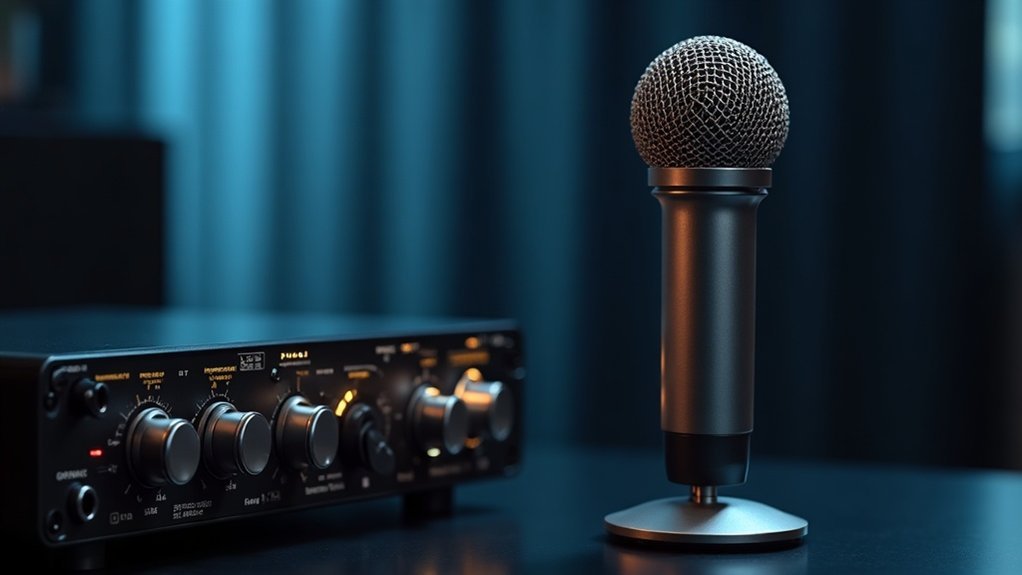
When selecting a microphone, understanding essential specifications like frequency response, sensitivity, and dynamic range is vital. These factors directly influence how accurately the microphone captures sound and handles various audio sources. Additionally, the maximum distortion-free SPL is critical as it indicates the microphone’s ability to maintain clarity under loud sound conditions. A good choice, such as the HSP Essential Omnidirectional microphone, offers exceptional audio quality and durability for various applications. Understanding maximum SPL can help ensure you select a microphone that meets your specific needs in different environments.
Frequency Response Range
The frequency response range of a microphone plays a vital role in its ability to accurately reproduce sound, as it defines the spectrum of audio frequencies the device can capture and how its output varies across that spectrum.
Here are key aspects to evaluate regarding the frequency response range:
- Typical ranges span 20 Hz–20 kHz, reflecting human hearing capabilities.
- Effective bandwidth is essential; look for specifications within ±3 dB to ensure a balanced frequency response range.
- Tailored responses may enhance specific frequencies, impacting the tonal character and overall audio quality.
- Specialized models can extend to 40–100 kHz, which is beneficial for high-frequency applications, showcasing a broader frequency response range.
- A microphone’s sensitivity and noise characteristics also play a crucial role in how well it captures sound within its frequency response range, ensuring clarity in audio reproduction. Additionally, certain microphones, like the AKG C3000, feature a frequency range of 20 Hz – 20 kHz, making them versatile for various recording situations.
Understanding these factors is crucial when selecting the right microphone to achieve optimal audio reproduction, especially for creators, gamers, musicians, and professionals seeking to enhance their sound quality.
Sensitivity and Dynamic Range
Sensitivity measurement—expressed in mV/Pa or dBV/Pa—indicates how much output voltage a microphone produces at a given sound pressure level. Higher sensitivity allows cleaner recordings at lower gain settings, which is particularly important for quiet sources. However, excessive sensitivity can lead to clipping in loud environments, making it crucial to consider sensitivity when evaluating microphone options. Additionally, microphone sensitivity plays a significant role in ensuring optimal performance across various recording environments.
Dynamic range, defined as the span between the microphone’s self-noise floor and maximum SPL, also informs usability and is key when discussing sensitivity and dynamic range.
Balancing these factors guarantees peak performance tailored to your specific audio needs, whether you’re podcasting, streaming, or recording music.
How to Pick the Perfect Microphone for You
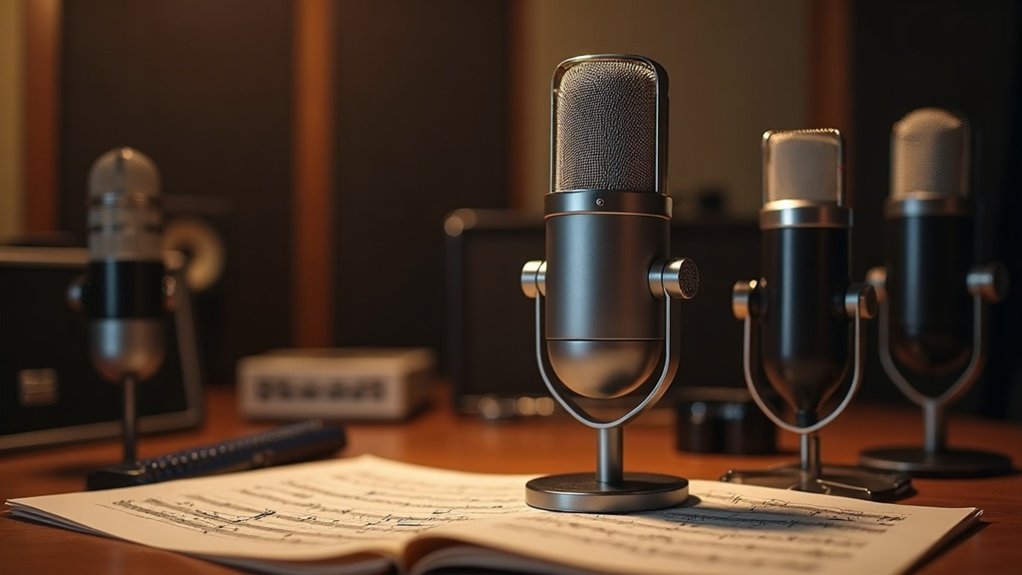
How do you choose the right microphone for your needs? Start by debunking microphone myths and understanding sound isolation requirements.
When considering how to pick the perfect microphone for you, focus on these key factors:
- Use Case: Identify whether you’re recording speech, instruments, or streaming. This will guide you in how to select the perfect microphone for your specific situation.
- Microphone Type: Choose between dynamic for loud spaces or condenser for detailed capture. Depending on your application, knowing how to pick the perfect microphone can enhance your audio quality.
- Polar Pattern: Select cardioid for focused sound or omnidirectional for ambiance. Understanding the polar pattern is essential in how to choose the right microphone for your needs. Cardioid microphones are especially effective in reducing background noise due to their pickup pattern characteristics.
- Budget: Define your budget and prioritize features like durability and flexibility for future needs. Knowing how to pick the perfect microphone within your budget can ensure you make a wise investment.
Real-World Examples of Microphone Uses
Microphones play an essential role in telecommunication, allowing you to convert your voice into electrical signals for clear remote communication.
In sound recording, they capture high-fidelity audio in various settings, ensuring quality for music, film, and broadcasting.
Understanding these applications highlights how integral microphones are to both everyday interactions and professional media production. Additionally, different types of microphones, such as studio microphones, are specifically designed to optimize sound quality in controlled environments.
Telecommunication Applications
Telecommunication systems rely heavily on microphones to facilitate seamless communication across various platforms. With telecommunication innovations, you can experience enhanced connectivity through microphone integration in various applications.
- Electret condenser microphones in phones convert speech into electrical signals, playing a crucial role in telecommunication applications.
- MEMS microphones in smartphones improve call clarity with noise suppression, ensuring clear communication in telecommunication environments.
- Voice over IP (VoIP) apps utilize microphones for digital communication, showcasing their importance in modern telecommunication systems.
- Hands-free microphone arrays support in-vehicle voice control for convenience, further highlighting the versatility of microphones in telecommunication applications.
These examples illustrate how microphones are essential for effective communication in today’s interconnected world, driving advancements and enhancing user experiences in telecommunication. Additionally, MEMS microphones are increasingly used in various devices due to their small size and efficiency, demonstrating their growing relevance in modern technology.
As creators, gamers, musicians, and professionals explore affordable microphones for podcasting, streaming, gaming, and recording, understanding their role in telecommunication applications becomes increasingly important.
Sound Recording Techniques
In the domain of sound recording techniques, understanding microphone techniques is vital for achieving high-quality audio. Employ vocal techniques like close miking (6–12 inches) with cardioid condensers to enhance clarity and reduce room noise.
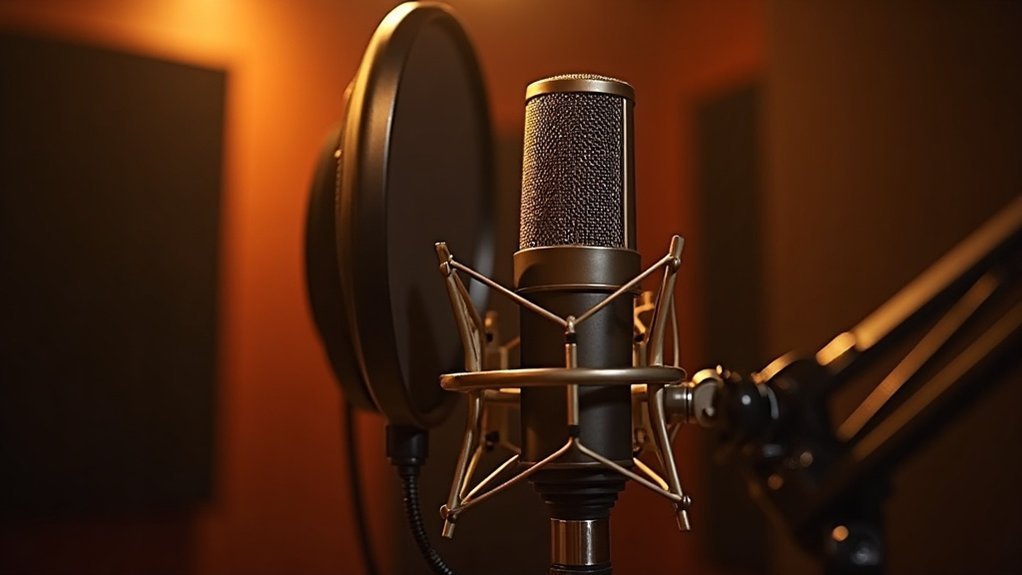
Optimize microphone placement by positioning slightly off-axis to mitigate plosives. Use pop filters for better noise control.
For instruments, close miking captures dynamic range while overhead mics enhance stereo imaging. Adhere to the 3:1 rule to combat phase interference in multi-mic setups.
Effective acoustic treatment is essential in sound recording techniques, ensuring a balanced recording environment that allows each element to shine without unwanted artifacts or resonances. Additionally, proper microphone placement distance significantly impacts the overall sound quality.
How Has Microphone Technology Advanced for Better Performance?
As advancements in microphone technology continue to unfold, you’ll discover that innovations in MEMS, diaphragm materials, and integrated circuitry are greatly enhancing audio performance.
These acoustic advancements provide clearer sound and greater versatility, essential for creators, gamers, musicians, and professionals.
Key developments in microphone technology for better performance include:
- MEMS microphones achieving up to 80 dB SNR and 135 dB dynamic range.
- Nano-composite diaphragms extending frequency response to 15 Hz–22 kHz.
- Integrated circuits improving SNR and dynamic range while minimizing power consumption.
- Optical MEMS transducers reducing noise and enhancing sensitivity in compact designs.
Together, these microphone innovations are revolutionizing audio capture, making top-tier performance accessible in everyday devices. Additionally, the unique function of condenser microphones plays a vital role in achieving high-quality sound reproduction.
These groundbreaking microphone innovations are transforming audio capture, bringing exceptional performance within reach of everyday devices.
With the evolution of microphone technology, you can expect superior audio quality that elevates your podcasting, streaming, gaming, and recording experiences.