Emile Berliner invented the modern microphone with his innovative carbon-button design, considerably transforming audio recording and transmission. His pioneering work in microphone technology led to legal disputes, particularly with Thomas Edison, who commercialized the carbon microphone. While other inventors like David Edward Hughes contributed to the field, Berliner’s developments marked a pivotal shift in sound technology, establishing him as a key figure in the history of microphones. The carbon microphone’s unique ability to amplify sound laid the groundwork for future audio advancements. If you look further into who invented the microphone, you’ll uncover the fascinating evolution of this vital technology and its societal impact. Exploring the journey of microphone invention reveals how it has shaped the way creators, gamers, musicians, and professionals engage with sound today.
Key Takeaways
- Emile Berliner developed the first modern microphone with a carbon-button design, crucial for sound recording and transmission.
- Thomas Edison commercialized the carbon microphone, leading to significant patent disputes with Berliner.
- David Edward Hughes independently demonstrated a carbon microphone, but did not patent his invention, leaving his contributions unclear.
- The transition from carbon to dynamic microphones marked a significant technological advancement in sound transmission methods.
- Key microphone types include condenser, dynamic, and ribbon, each serving unique roles in audio capture and production.
The Evolution of Early Sound Transmission
As the quest for effective sound transmission unfolded, early inventors explored various mechanical and acoustic methods long before the advent of electricity, highlighting the evolution of early sound transmission.
Acoustic experiments, such as the string telephone, relied on sound vibrations traveling through physical mediums. Telegraph signaling revealed the limits of transmitting continuous sound, prompting inventors to develop diaphragm technology to convert air pressure into electrical signals. Microphone types like dynamic and condenser microphones further enhanced sound capture capabilities, showcasing the diversity of approaches in audio technology. Notably, Robert Hooke’s developments in the 1600s laid foundational principles for sound transmission that would influence future innovations, including the invention of the carbon microphone, which significantly improved audio clarity.
Liquid transmitters emerged, utilizing conductive fluids to modulate currents despite their practical flaws. Ultimately, the shift to carbon granules marked a pivotal moment in the evolution of early sound transmission, as they transformed electrical resistance into stronger, clearer signals, paving the way for the advancement of telephony.
Key Figures in Microphone History and Their Contributions
The development of sound transmission technologies set the stage for significant innovations in microphone design, leading to crucial contributions from key figures in the field of microphone history and their contributions.
- Emile Berliner: Credited with the first modern microphone, his carbon-button design improved voice clarity, paving the way for future advancements in audio recording. His patent for the carbon microphone was filed in 1877, marking a pivotal moment in sound technology. This innovation was crucial for the evolution of dynamic microphones, which rely on similar principles of sound capture.
- Thomas Edison: His patents established the carbon microphone’s commercial viability, shaping telephony and setting a standard for future microphone technologies.
- David Edward Hughes: Independently demonstrated a carbon microphone, influencing future research and development in sound transmission.
- Historical recognition: Despite legal battles, Berliner’s contributions remain essential in the narrative of microphone history, while Edison’s patents overshadow them, fueling ongoing debates in technical circles. Additionally, Berliner’s gramophone invention revolutionized the way sound was recorded and played back, further solidifying his impact on the industry.
These innovators collectively shaped the evolution of microphones, emphasizing the complexities of invention and recognition in the realm of audio technology.
Understanding the key figures in microphone history and their contributions helps creators, gamers, musicians, and professionals navigate the vast options available for podcasting, streaming, gaming, and recording.
What’s the Deal With the Carbon Microphone Controversy?
While many recognize Emile Berliner and Thomas Edison as pioneers of the carbon microphone, the controversy surrounding the carbon microphone reveals a tangled web of patent disputes and competing claims.
Berliner asserts priority with his demonstrations, yet Edison contests this, leveraging legal victories to bolster his position. Dynamic microphones, known for their durability and ease of use, became a staple in live sound settings as the technology evolved.
David Edward Hughes also made significant contributions, though his lack of aggressive patenting leaves his legacy somewhat ambiguous.
The patent politics have stirred transatlantic tensions, with accusations of idea theft exchanged between Edison and Hughes. Scientific arbitration efforts often sided with Hughes, highlighting the complexities of the carbon microphone controversy, which are often overshadowed by corporate interests and legal battles. Notably, the carbon microphone’s unique ability to act as its own amplifier greatly influenced its adoption in commercial telephone service. Additionally, the carbon microphone was an early example of Edison’s innovative technology that shaped the future of audio transmission.
This historical backdrop is essential for creators, gamers, musicians, and professionals seeking to understand the evolution of affordable microphones for podcasting, streaming, gaming, and recording.
How the Condenser Microphone Enhanced Audio Quality

Here are some key advantages of condenser microphones:
- High sensitivity captures subtle nuances and details, elevating audio fidelity and enhancing the overall quality of recordings.
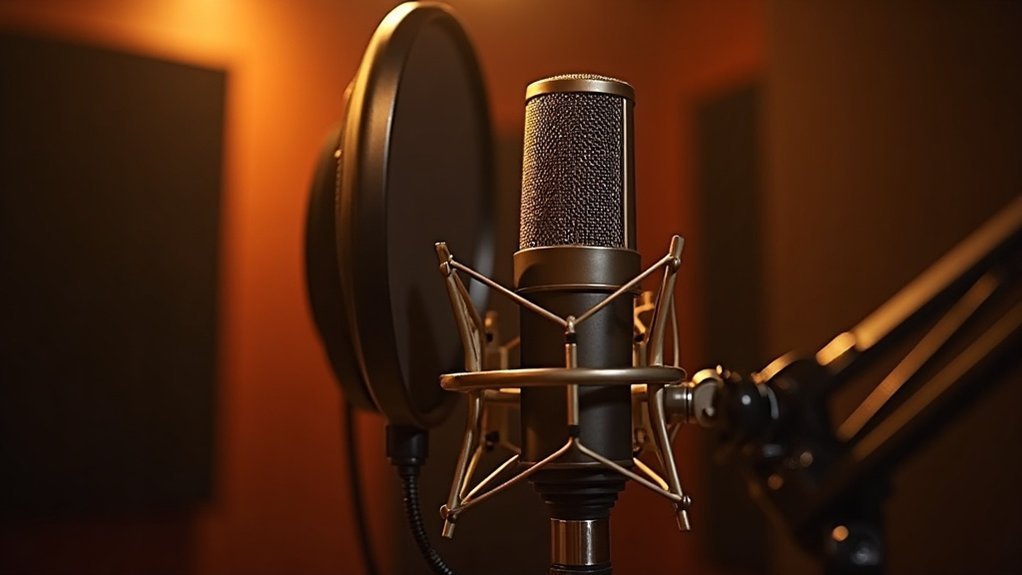
- Extended frequency response preserves clarity and realism, reaching frequencies up to 20 kHz, which is essential for achieving the best audio quality in various applications. This capability is particularly valuable in professional settings where condenser microphones are preferred for their accuracy.
- Lower self-noise ensures cleaner recordings, particularly for quiet sources, making the condenser microphone an excellent choice for professional setups.
- Fast transient response accurately tracks rapid sounds, further enhancing audio quality and making it indispensable for musicians and audio engineers.
With these standout features, condenser microphones not only improve audio fidelity but also deliver a richer, more immersive listening experience. Their ability to enhance audio quality has made them essential tools for creators, gamers, and professionals alike, whether for podcasting, streaming, or recording. Additionally, their effectiveness in reducing unwanted noise makes them invaluable in achieving optimal sound in various environments. Furthermore, using a dedicated microphone typically results in superior audio quality compared to built-in options.
The Development of Dynamic and Ribbon Microphones
As you explore the evolution of microphones, you’ll find that the early concepts behind dynamic microphones laid vital groundwork for audio technology. The introduction of ribbon microphones further expanded sound capture capabilities, making them essential in broadcasting and recording. Each innovation not only improved audio quality but also transformed how sound was transmitted in various applications. The transition from carbon microphones to moving-coil technology was driven by improvements in sound quality and durability, as advancements in microphone types led to increased versatility and performance across diverse settings. Notably, dynamic microphones operate without the need for external power due to their simple design principles, allowing for reliable performance in various environments.
Early Dynamic Microphone Concepts
Key developments in these dynamic microphones included:
- Moving-coil design utilizing electromagnetic induction.
- Rugged durability, making them ideal for both studio and outdoor settings.
- Thin duralumin diaphragm for enhanced sound response.
- High-grade cobalt steel magnets that improved overall performance.
Despite their promise, early dynamic microphone designs weren’t widely adopted until the 1920s, when advancements in amplification made them more viable.
The Western Electric Model 618A, introduced in 1931, marked a turning point for these early dynamic microphone concepts, combining innovations to deliver usable quality for broadcasting and recording. This model highlighted the importance of dynamic microphone technology in shaping audio recording practices.
This model laid the foundation for future dynamic microphones, influencing the evolution of microphones used by creators, gamers, musicians, and professionals today.
Ribbon Microphone Innovations
Pioneered by Walter H. Schottky and Erwin Gerlach, early ribbon designs employed a thin aluminum ribbon in a magnetic field, enhancing microphone sensitivity.
Historical milestones like RCA’s Photophone PB-31 and the versatile RCA 44 series showcased acoustic innovations, including improved directionality and low mechanical damping.
These ribbon microphone advancements not only optimized sound capture but also solidified ribbon microphones’ status in professional audio, creating a sense of belonging for artists and engineers seeking high-fidelity recordings.
As audio technology evolved, these innovative ribbon microphones became essential tools for creators, gamers, musicians, and professionals, ensuring they achieve the best results in their podcasting, streaming, and recording endeavors. Additionally, the unique charm of ribbon microphones lies in their ability to capture nuanced sound, making them a favorite among audiophiles.
Applications in Broadcasting
While the evolution of dynamic and ribbon microphones considerably shaped the broadcasting landscape, their applications in broadcasting transcended mere technical advancements. You’ll find that these innovations have created a rich auditory experience, enhancing audio reliability for listeners.
Key developments include:
- The rugged and reliable dynamic microphones, perfect for live environments.
- The omnidirectional Western Electric 618A, a staple for studios.
- Shure’s Unidyne 55, revolutionizing directional sound capture.
- High SPL handling, accommodating loud sources seamlessly.
These advancements not only improved sound quality but also guaranteed that broadcasting remained accessible and engaging for everyone involved. Additionally, dynamic microphones are often preferred for live performances due to their durability and ability to handle high sound pressure levels effectively.
The applications in broadcasting have made it easier for creators, gamers, and musicians to elevate their audio game, ensuring that every voice is heard clearly and effectively in a variety of settings.
What Is the Electret Microphone and Why Is It Important?
The electret microphone, a compact and efficient type of condenser microphone, uses a permanently charged electret material to capture sound with remarkable sensitivity.
This design eliminates the need for an external power supply, making it ideal for modern devices like smartphones and hearing aids.
Understanding its advantages and applications reveals why electret microphones dominate the audio landscape today.
Electret Microphone Basics
Electret microphones represent a significant advancement in audio technology, combining the principles of electrostatics with practical design. Understanding their structure can enhance your appreciation of electret microphones:
- Diaphragm: A thin Teflon-like film that vibrates to capture sound.
- Backplate: Forms a capacitor with the diaphragm, essential for signal generation.
- Electret Layer: Provides a stable charge, eliminating the need for external power.
- Integrated Circuit: Converts the signal for usable audio output.
Electret microphone technology simplifies construction, making it a go-to choice for consumer devices. Additionally, their design allows them to offer high sensitivity and low noise, making them ideal for various applications.
As you explore affordable microphones for podcasting, streaming, gaming, and recording, the reliability and efficiency of electret microphones create a sense of belonging in the world of audio innovation.
Whether you’re a creator, musician, or gamer, understanding electret microphones can help you make informed choices in your audio journey.
Key Advantages Explained
Since the invention of the electret microphone, its key advantages have reshaped the audio landscape, making it an essential tool for various applications. The electret microphone stands out due to its design simplicity, production efficiency, and high sound fidelity. Its innovative materials, like thin polymer films, have reduced costs while enabling miniaturization, which is particularly beneficial for creators, gamers, musicians, and professionals. Additionally, the diaphragm’s role in sound conversion is critical to its overall performance and accuracy.
| Advantage | Description | Impact |
|---|---|---|
| Design Simplicity | Eliminates the need for external power sources | Compact and user-friendly |
| Production Efficiency | Low-cost materials streamline manufacturing | Widely accessible |
| Sound Fidelity | Maintains high accuracy in sound conversion | Superior audio quality |
These key advantages of the electret microphone not only facilitate enhanced audio experiences but also support a diverse range of uses, from podcasting and streaming to gaming and recording. Embracing the benefits of this microphone technology can greatly enhance the quality of sound capture in various creative endeavors.
Applications in Modern Devices
Advancements in microphone technology have led to the widespread adoption of electret microphones across various modern devices. These compact components are essential for smart integration in everyday technology, enhancing your audio experience.
You’ll find them in:
- Smartphones for clear voice calls and recordings.
- Laptops enabling smooth video conferencing and voice recognition.
- Headsets for hands-free communication during calls and gaming.
- Smart home devices monitoring sounds and facilitating voice control.
As a dominant choice in consumer applications, electret microphones play a crucial role in the applications in modern devices, providing reliable performance that makes your interactions with technology seamless and efficient. Additionally, their design is often influenced by MEMS technology, which contributes to their compact size and efficiency.
Whether you’re a creator, gamer, or professional, understanding the significance of these microphones can greatly enhance your podcasting, streaming, gaming, and recording experiences.
The Broader Impact of Microphone Innovations on Society and Technology

The evolution of microphones has sparked a mass communication revolution, transforming radio and film while amplifying live events for shared experiences. This societal impact extends to music, enabling diverse genres and democratizing content creation through home studios, which have become increasingly accessible to creators and musicians.
In the realm of telecommunications, microphones have enhanced personal connectivity, paving the way for smartphones and voice assistants. These innovations not only streamlined interactions but also fostered a sense of community, uniting voices across distances and cultures.
The broader impact of these microphone innovations is evident in how they’ve woven themselves into the fabric of modern life, enriching our collective experience and empowering professionals, gamers, and content creators alike. Additionally, the perfect microphone is crucial for achieving high-quality audio in streaming, further enhancing these experiences.
Ultimately, as we explore the various dimensions of microphone technology, it’s clear that their influence reaches far beyond simple audio capture. They’ve become vital tools in shaping how we communicate and connect, proving essential for podcasting, streaming, and recording.