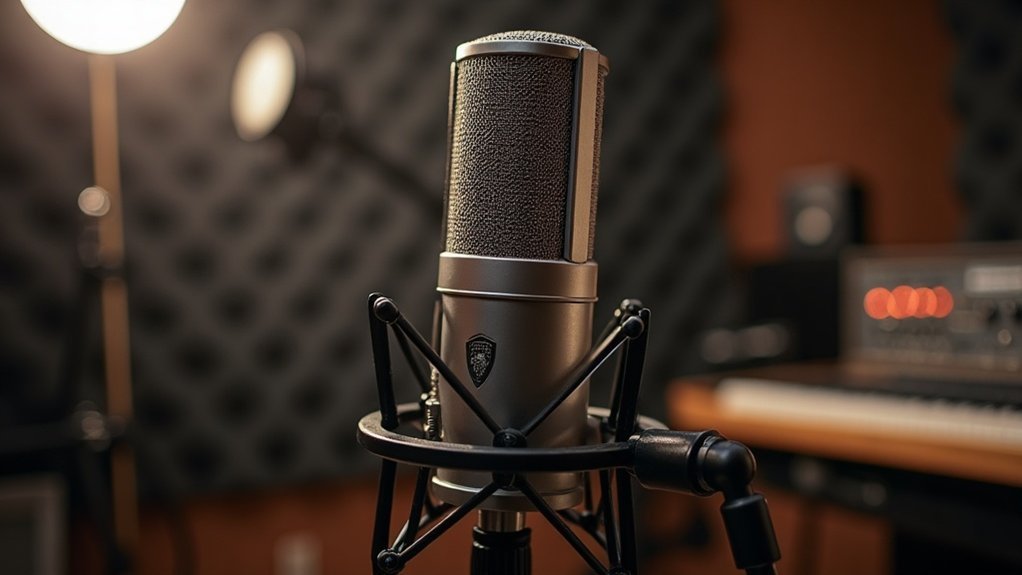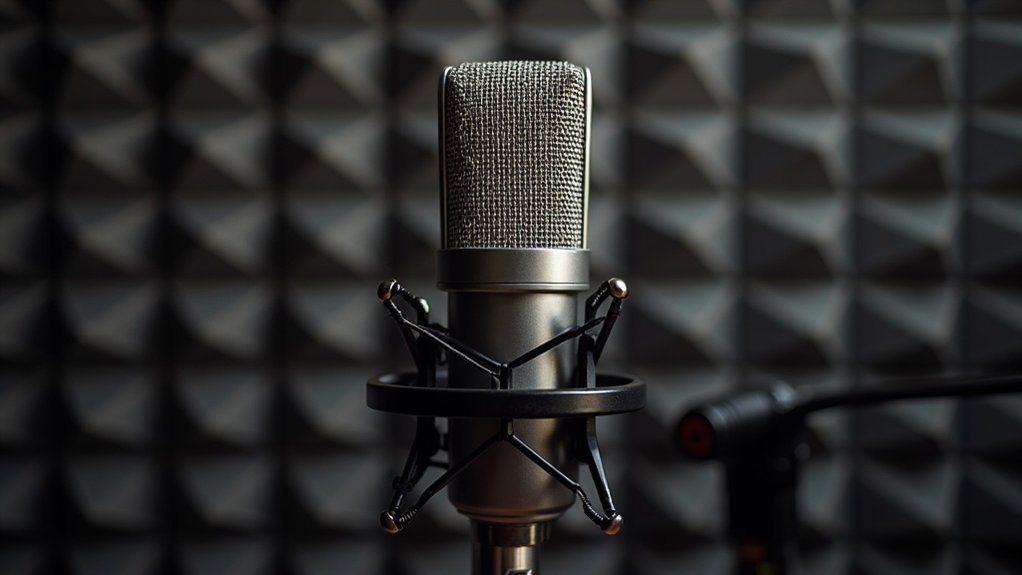

A diaphragm in a microphone is an essential component that converts sound waves into electrical signals. This crucial element is housed within the microphone’s capsule and plays a significant role in determining sensitivity, frequency response, and overall tonal character. When exploring what a diaphragm in a microphone entails, you’ll encounter various types, such as dynamic and condenser diaphragms, each offering unique performance traits suitable for different applications in podcasting, streaming, gaming, and recording.
The size and material of the diaphragm greatly influence sound reproduction quality, making it vital to understand these aspects. Whether you’re a creator, musician, or gamer, knowing how a diaphragm in a microphone affects your audio experience can help you make an informed choice when selecting the perfect microphone for your needs, ensuring you get the most out of your investment.
Key Takeaways
- A microphone diaphragm is a thin membrane that converts sound waves into electrical signals, essential for sound capture.
- Diaphragms influence a microphone’s sensitivity and frequency response, affecting overall sound quality and tonal character.
- There are three primary types of diaphragms: dynamic, condenser, and ribbon, each with unique characteristics and applications.
- Diaphragm movement creates pressure differences, allowing microphones to differentiate sound from various angles through directional sensitivity.
- Materials like polymers and metal foils are used in diaphragm construction to enhance performance, durability, and sound reproduction clarity.
What Is a Microphone Diaphragm and Why Does It Matter?
A microphone diaphragm is the essential component that transforms sound waves into electrical signals, making it a crucial element in understanding *what a microphone diaphragm is and why it matters*. Its importance in sound capture can’t be overstated; without it, microphones would fail to function. The diaphragm is housed within the microphone capsule, which is integral to the overall microphone design.
This thin, flexible membrane responds to sound pressure changes, acting like a human eardrum. Various designs exist, including dynamic, ribbon, and condenser types, each utilizing specific materials to optimize performance. The diaphragm’s responsiveness directly influences sensitivity and frequency response, thereby affecting tonal character. Additionally, the diaphragm’s resonance properties play a vital role in achieving a flat frequency response, enhancing overall audio quality. The quality of the diaphragm material can significantly impact sound reproduction, ensuring clarity and fidelity in recordings.
Grasping the significance of a microphone diaphragm and its role in audio capture helps you select the right microphone for your needs. This understanding enhances your audio experiences—whether podcasting, streaming, or recording—fostering a deeper connection with sound and community.
How the Diaphragm Converts Sound Into Electrical Signals
Here’s how it works:
- The diaphragm’s movement triggers a transducer element, converting mechanical motion into voltage.
- In dynamic microphones, diaphragm motion induces voltage via electromagnetic induction, illustrating the diaphragm’s role in this conversion process.
- In condenser mics, diaphragm vibrations alter capacitance, producing varying voltage, further showcasing how the diaphragm converts sound into electrical signals. Electromechanical transducers play a crucial role in this process by facilitating the transformation of sound into precise electrical representations. This ensures that the diaphragm’s response reflects the unique sound characteristics of the original audio source. The design of condenser microphones enhances their sensitivity and response to a wider frequency range, making them ideal for capturing detailed audio.
This intricate process guarantees that the electrical output represents the original sound wave, facilitating clear and accurate audio reproduction.
Understanding how the diaphragm converts sound into electrical signals is essential for creators, gamers, and musicians seeking to optimize their microphone choices for podcasting, streaming, and recording.
What Are the Different Types of Microphone Diaphragms?
When you explore microphone diaphragms, you’ll encounter three primary types: dynamic, condenser, and ribbon. Each type has distinct construction and performance characteristics that affect sound capture and application. Understanding these differences is essential for selecting the right microphone for your needs, as microphone diaphragm types significantly influence aspects like frequency response and sensitivity. Additionally, the choice between large and small diaphragm microphones can greatly impact the overall sound quality and application suitability. Dynamic microphones are particularly known for their durability and ability to handle high sound pressure levels, making them ideal for live sound situations.
Dynamic Microphone Diaphragms
Dynamic Microphone Diaphragms (What Are the Different Types of Microphone Diaphragms?)
Dynamic Microphone Diaphragms primarily fall into two categories: moving-coil and ribbon types, each leveraging distinct electromagnetic principles. Understanding the intricacies of dynamic microphone diaphragms is essential for creators, gamers, and musicians seeking the best audio solutions.
- Moving-coil diaphragms utilize a lightweight membrane connected to a copper coil, generating current in a magnetic field. This type of diaphragm offers a robust choice for those needing reliability in various environments. Their construction impacts sound quality and sensitivity, ensuring they perform well under different recording conditions. Additionally, dynamic microphones are known for their durability, making them ideal for live performances.
- Ribbon diaphragms feature an ultra-thin aluminum strip that acts as both diaphragm and conductor, producing sound with remarkable transient response. These dynamic microphone diaphragms excel in capturing nuanced audio, making them ideal for detailed recordings.
When comparing dynamic microphone diaphragm characteristics to condenser microphones, it’s notable that dynamic types often reveal lower sensitivity but enhanced durability and higher SPL handling. This durability is particularly beneficial for podcasting, streaming, and gaming, where equipment must withstand frequent use.
Condenser Microphone Diaphragms
Condenser microphone diaphragms, which come in various sizes, play an essential role in determining sound quality and application versatility.
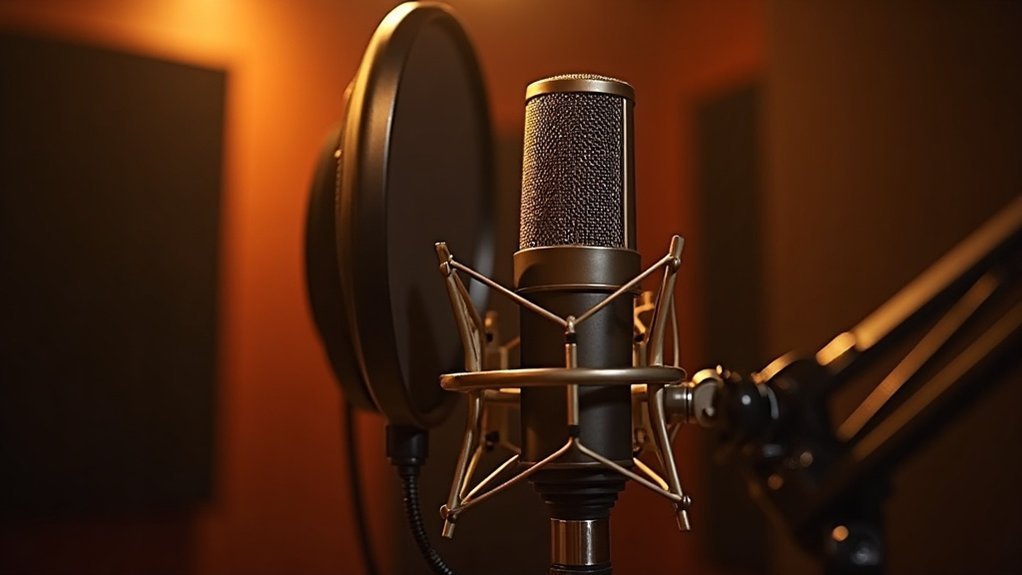
When considering condenser microphone diaphragms, large diaphragms, typically around 1 inch, offer advantages like richer tonal coloration and are often favored in studio settings. Condenser microphones are particularly known for their higher fidelity and precision, making them ideal for capturing subtle nuances in sound. Additionally, these microphones are capable of capturing a wide frequency range, allowing for high sensitivity to intricate details in recordings. Furthermore, large diaphragm microphones are frequently used for vocals and acoustic instruments in professional studio environments.
Meanwhile, small diaphragms, generally less than ½ inch, excel in applications requiring high-frequency extension and fast transient response, making them ideal for tasks like drum overheads and stringed instrument miking.
Medium diaphragms provide a balanced option, delivering both detail and warmth.
Understanding these types of condenser microphone diaphragms helps you choose the right microphone for your specific recording needs, ensuring you get the most out of your audio setup for podcasting, streaming, gaming, and more.
Ribbon Microphone Diaphragms
These diaphragms feature:
- A thin, conductive metal ribbon suspended between magnetic poles.
- Corrugated geometry, enhancing mechanical stability and sensitivity.
- Natural bidirectional polar patterns, utilizing acoustic labyrinths for versatile configurations.
The ribbon design allows for excellent transient response and a smooth frequency response, making them ideal for capturing rich, natural sound. Additionally, their construction is influenced by the principles of ribbon microphone design, which contributes to their distinctive tonal qualities.
By keeping ribbon tension low, these microphones excel in sensitivity, making them favorites in both studio and live environments.
The distinct character of ribbon microphone diaphragms is particularly appealing to creators, musicians, and professionals seeking high-quality recordings.
Experience the difference that ribbon microphones bring to your audio projects, whether for podcasting, streaming, or gaming.
How Diaphragm Size Affects Microphone Performance

When selecting a microphone, understanding how diaphragm size affects microphone performance is essential for achieving ideal sound quality.
Larger diaphragms generally offer increased diaphragm sensitivity, producing higher output levels with lower self-noise. However, while they may deliver warmth, their frequency response can be colored and limited in high-frequency accuracy.
Conversely, small diaphragms excel in transient response, capturing detail with precision and providing a flatter, more neutral frequency response. Although they require more preamp gain, they handle high frequencies better, allowing for clarity in dynamic sources.
Ultimately, choosing the right diaphragm size can notably influence your recording’s quality and character, underscoring the importance of knowing how diaphragm size affects microphone performance for creators, gamers, and musicians alike. Additionally, understanding large and small diaphragm mics can help you make a more informed decision when selecting the right microphone for your needs.
How Diaphragm Movement Affects Directionality
Diaphragm shape directly influences how it responds to sound pressure, affecting its directionality.
When you consider pressure gradient response, you’ll see that the design determines how effectively the diaphragm can differentiate sound from various angles. This interplay shapes the polar patterns you encounter in different microphone types. Additionally, understanding polar patterns is crucial for selecting the right microphone for specific recording situations.
Diaphragm Shape Influence
- Directional microphones are designed to manage sound entry, shaping their polar patterns based on diaphragm shape influence.
- Smaller diaphragms tend to exhibit wider high-frequency directivity, highlighting the importance of diaphragm geometry.
- Dual-diaphragm designs offer selectable directional responses, showcasing how variations in diaphragm shape can enhance performance.
Understanding the dynamics of diaphragm shape influence helps you appreciate how these factors and their movement impact a microphone’s overall performance. Additionally, recognizing how polar patterns affect microphone selection is essential for optimizing your audio capture strategy.
This knowledge is essential for creators, gamers, musicians, and professionals seeking the right microphone for podcasting, streaming, gaming, and recording, ultimately enhancing your ability to choose the ideal tool for your audio needs.
Pressure Gradient Response
Understanding diaphragm shape influence sets the stage for exploring how diaphragm movement directly impacts directionality in microphones.
In the context of pressure gradient response, sound waves create a pressure difference across the diaphragm, driving its movement. When sound hits perpendicularly, you achieve maximum diaphragm excursion, enhancing pressure sensitivity and output. Conversely, sound from the side yields minimal movement, resulting in maximum rejection—demonstrating the capsule’s bi-directional behavior.
This pressure gradient response is particularly significant because, as frequency increases, diaphragm motion intensifies, boosting frequency response. This characteristic is similar to the behavior observed in supercardioid and hypercardioid mics, showcasing the importance of diaphragm design in achieving directional audio capture.
This relationship allows for effective audio capture, making microphones with a pressure gradient response ideal for applications demanding precise directionality and clarity in sound reproduction.
Key Materials Used in Microphone Diaphragms
Microphone diaphragms, essential for capturing sound accurately, rely on a variety of materials that influence their performance characteristics. Understanding the key materials used in microphone diaphragms can help you appreciate their distinct acoustic properties:
- Polymer advantages like low mass and flexibility (e.g., Mylar, polypropylene) enhance sensitivity and durability in microphone diaphragms.
- Metal foil options, such as aluminum and titanium, balance fragility and sound quality while providing durability in diaphragm construction.
- Composite benefits combine materials, allowing for tailored diaphragm thickness and optimized resonance, further illustrating the importance of the key materials used in microphone diaphragms.
Additionally, the design of a condenser microphone often incorporates these diaphragm materials to maximize sound capture quality.
Choosing the Best Microphone for Your Needs
How do you choose the best microphone for your needs? When considering the best microphone for your needs, start with microphone selection tips tailored to your recording task.
For untreated rooms, dynamic mics excel at rejecting background noise, while condensers capture nuances in treated spaces. It’s essential to think about pickup patterns: cardioid mics focus on solo voices, whereas omnidirectional ones are ideal for group settings. Cardioid microphones, known for their directional pickup pattern, are particularly effective in isolating sound sources while minimizing ambient noise.
Evaluate connection types—USB microphones offer simplicity, while XLR options provide more flexibility for future upgrades.
Don’t overlook the importance of your recording environment; background noise and room acoustics can significantly impact your choice of the best microphone for your needs.
Consider your recording environment carefully; background noise and room acoustics can greatly influence your microphone selection.
Finally, balance your budget with potential future investments, ensuring you select a microphone that will serve you well for your specific applications, whether podcasting, streaming, gaming, or recording.