An audio compressor is an essential tool that controls the dynamic range of sound in your mixes. When discussing what a compressor in audio does, it helps maintain a balanced and polished listening experience by reducing the volume of loud signals while boosting quieter ones. Understanding key parameters like threshold, attack, and release will enhance your compression technique. By choosing the right type of compressor for your audio source, you can achieve clarity and consistency in your recordings. There’s much more to explore about optimizing compression in your projects, especially for creators looking to improve their audio quality across podcasting, streaming, and gaming.
Key Takeaways
- Audio compressors control the dynamic range of sound, ensuring balanced levels and preventing distortion in recordings and broadcasts.
- Key parameters include threshold, attack, and release, which shape how the compressor reacts to audio signals.
- Different types of compressors, like transistor, optical, and tube, serve unique purposes in music production.
- Techniques like parallel and multiband compression enhance audio without sacrificing clarity or dynamics.
- Properly applied compression improves overall sound quality, making it essential for musicians and audio creators.
What Is an Audio Compressor and How Does It Work?
You’ll find that audio compressors are integral to music production, podcasts, and broadcasting, where they maintain intelligibility and comfort, creating a balanced listening experience for diverse environments and systems. Additionally, they are essential for managing dynamic range and preventing distortion, making them a vital tool for creators, gamers, and musicians. Understanding the principles of dynamic processing can significantly improve the quality of recordings and streams, making it a vital tool in any audio setup.
Key Parameters for Effective Audio Compression
To achieve effective audio compression, you’ll need to focus on key parameters like threshold and attack/release settings. The threshold determines when gain reduction kicks in, while the attack and release times shape how the compressor responds to dynamics. Understanding these elements allows you to craft a more polished and controlled sound. Moreover, having a solid grasp of compression techniques can significantly enhance your mixing process. Additionally, mastering these parameters can act as audio glue, creating a more cohesive mix overall. A well-tuned compressor can also help manage dynamic range, ensuring that your audio maintains clarity and impact.
Threshold Settings Explained
Understanding threshold settings explained is essential for achieving effective audio compression, as this parameter defines the exact level at which gain reduction begins. The impact of threshold settings determines which portions of the signal are compressed, with anything above the set level subjected to adjustment. Lowering the threshold increases gain reduction, while a higher setting preserves natural dynamics. For effective compression strategies, start by monitoring your track’s average level and set the threshold accordingly. Aim for subtle control with moderate gain reduction, ensuring that the signal remains dynamic yet cohesive. A well-set compressor threshold can significantly enhance the overall clarity and balance of your mix, especially since adding plugins before the compressor can alter the input volume and necessitate threshold adjustments.
Understanding Attack and Release
Effective audio compression involves not just threshold settings but also the attack and release parameters that shape how a signal responds to dynamics. Understanding attack and release is crucial for achieving optimal sound quality. The attack time determines how quickly a compressor reacts to transients, typically measured in milliseconds. A fast attack clamps down on peaks for tighter control, while a slower attack allows more transient energy, preserving punch. This interplay between attack and release settings can dramatically influence the character of the mix. Meanwhile, release time dictates how long the compressor continues to attenuate after the signal drops below the threshold. By carefully tuning these settings, you can enhance dynamic response and achieve a seamless transient control, which is essential when understanding attack and release. This prevents unwanted artifacts like pumping and contributes to a more musical and cohesive mix. As creators, musicians, and gamers, mastering these aspects can elevate your audio production, ensuring your recordings truly shine. Additionally, compression alters dynamic range in audio, making it essential to consider how these parameters affect the overall sound.
Different Types of Compression: Which One to Use?
When selecting a compressor, understanding the differences between downward and upward compression is essential for achieving desired dynamics. You’ll want to take into account the specific characteristics of each type of compressor, from VCA to optical, to determine which suits your audio needs best. Each choice affects the overall sound and control, so analyzing these factors will guide your decision-making process effectively. Additionally, a solid grasp of audio compression is crucial for effective mixing. This knowledge helps ensure that you can maintain clarity in various listening environments.
Downward Compression Explained
Downward compression plays an essential role in shaping audio dynamics, particularly in contexts like podcasting, streaming, and music production. This technique reduces the level of signals that exceed a specified threshold while leaving quieter parts untouched, ensuring a balanced sound.
By controlling peaks through downward compression, you effectively manage dynamic range, bringing loud transients closer to the average level. Key parameters like threshold, ratio, and attack time determine how aggressively compression is applied.
While low thresholds with moderate ratios yield smoother results, higher ratios act more like limiters, which can be beneficial in certain scenarios. However, be cautious—improper settings can introduce compression artifacts, negatively impacting overall sound quality.
Mastering downward compression not only enhances loudness but also helps maintain a balanced audio mix, making it an invaluable tool for creators and professionals alike.
Upward Compression Applications
While downward compression shapes dynamics by controlling peaks, upward compression applications take a different approach by elevating low-level signals. This technique enhances details, making it invaluable in various mixing scenarios. Here’s a quick overview of its applications:
| Application | Benefit | Best Use Case |
|---|---|---|
| Detail Enhancement | Highlights subtle nuances | Drums, vocals, instruments |
| Room and Ambience Emphasis | Creates immersive soundscapes | Ambient tracks |
| Lo-Fi Vocals | Adds intimacy and warmth | Vocal performances |
| Mastering Enhancements | Increases loudness without peaks | Finalizing mixes |
Incorporating upward compression applications into your mixing techniques can greatly elevate your sound quality. By focusing on these upward compression methods, creators can achieve a richness and depth in their audio that enhances the overall listening experience, making it a crucial tool for musicians and professionals alike.
Types Of Compressors Overview
Understanding the different types of compressors is essential for achieving the desired sound in your mixes, as each type offers unique characteristics and control mechanisms.
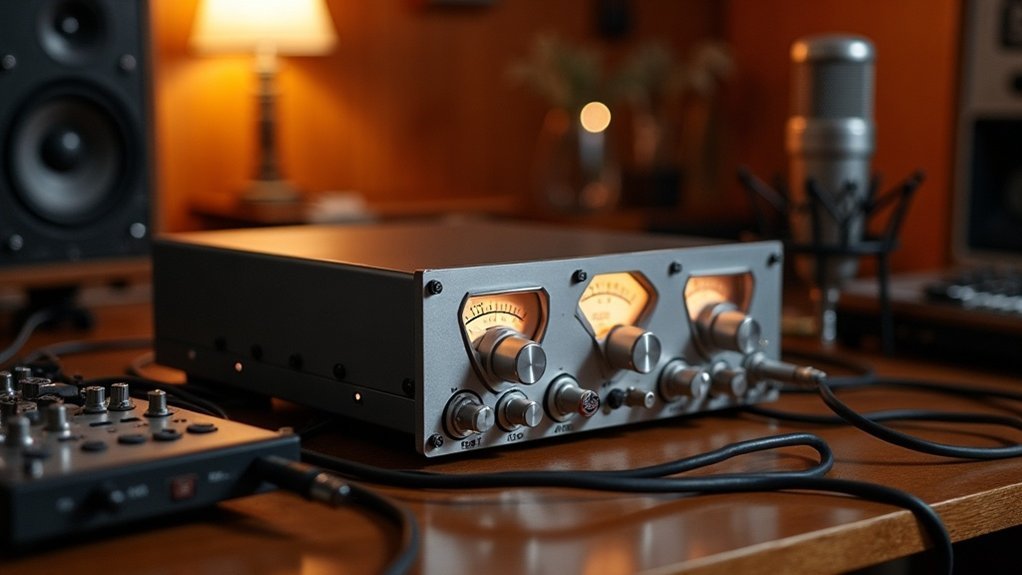
When exploring the types of compressors overview, VCA compressors provide fast, precise dynamic control with a clean sonic impact, making them perfect for drum buses or mix cohesion.
FET compressors excel at transient shaping, adding energy and character, ideal for drums and aggressive vocals.
In the compressors overview, optical compressors deliver smooth, musical compression, making them perfect for vocals and acoustic instruments that need gentle leveling.
Tube compressors, also featured in the types of compressors overview, impart warmth and richness, enhancing harmonic content.
Ultimately, choosing the right compressor type depends on your specific needs for dynamic control and sonic impact in your music, as highlighted in the comprehensive overview of compressor types.
Where Do You Use Compressors in Music?
Where do you use compressors in music production? You’ll find compressors essential in various areas:
| Area | Purpose |
|---|---|
| Vocal Compression | Levels dynamics and enhances presence |
| Drum Compression | Shapes transients and adds punch |
| Bass Compression | Controls low-end energy and smooths volume |
| Guitar Compression | Adds sustain and evens out performance |
| Mix and Mastering Compression | Unifies tracks and controls dynamic range |
Whether in live sound or studio settings, knowing where to use compressors in music can significantly enhance clarity and cohesion. Embrace creative compression to ensure a polished final product that resonates with listeners. By mastering the art of compressor application, you’ll elevate your music production and achieve professional-quality sound that captivates your audience.
Using Compression for Better Mixes
Using compression for better mixes can greatly enhance clarity and balance in your audio projects. When employing compression effectively, focus on dynamic control, particularly with mix bus compression. This technique applies a low ratio for subtle peak control while preserving transients, ensuring a polished sound.
Additionally, consider implementing parallel compression, which allows you to blend a heavily compressed signal with the dry one, adding density without sacrificing dynamics.
For even more nuanced control, serial compression can help you distribute gain reduction naturally across multiple stages, which is essential for achieving that cohesive “glue” effect in your mixes. This way, your instruments will feel integrated rather than separate.
Always adopt safer habits by assessing your compression choices within the context of the full mix to avoid over-compression, ultimately maintaining the integrity of your audio.
Innovative Compression Techniques for Unique Sound Design
While traditional compression techniques enhance mix clarity, innovative compression techniques for unique sound design offer exciting possibilities that can transform your audio projects.
Consider these innovative approaches for dynamic manipulation and experimental textures:
- Extreme Compression Artifacts: Use heavy downward compression to create distinctive, grainy transients that stand out in your sound design.
- Multiband Compression: Target specific frequency ranges for spectral sculpting, allowing for precise tonal control in your audio creations.
- Parallel Compression: Blend compressed and dry signals to add weight without sacrificing transients, enriching your overall mix.
Troubleshooting Common Compression Issues
Compression can significantly enhance your audio projects, but when troubleshooting common compression issues, it’s crucial to address any factors that may undermine the mix’s integrity.
Start by checking your threshold and ratio settings; excessive gain reduction can lead to compression artifacts and a flattened dynamic range. Make sure your attack and release times aren’t too extreme—fast attack may rob transients, while slow release could cause unwanted pumping.
Start by fine-tuning your threshold and ratio; excessive gain reduction can flatten dynamics and introduce artifacts.
To avoid over-compression and maintain musical dynamics and clarity, explore alternatives to relying solely on compression for level inconsistencies, such as automation.
Finally, confirm you’re using compression appropriately, as misapplication can exacerbate existing problems rather than solve them, which is a common pitfall in tackling compression issues.