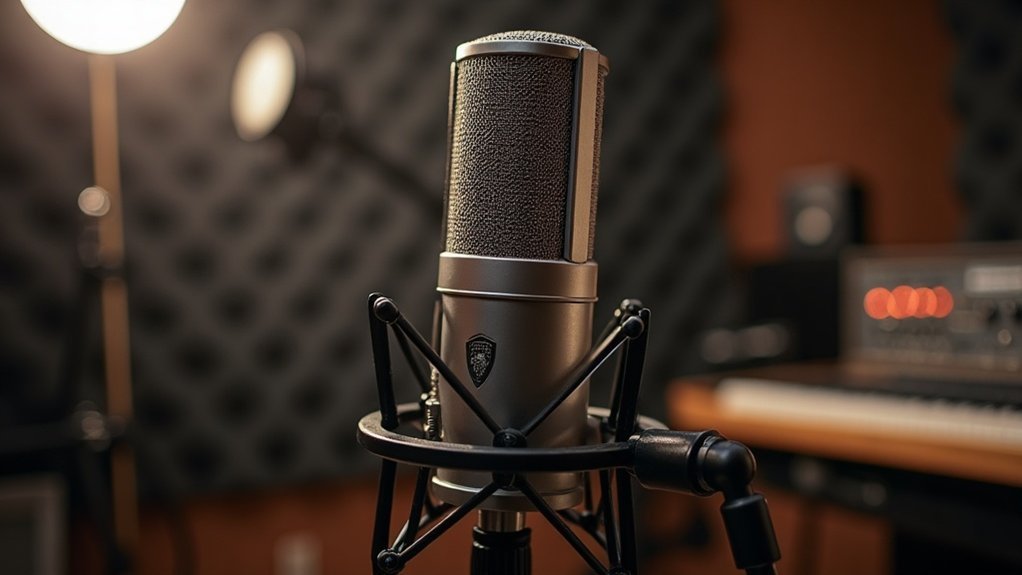

Acoustic panels are essential tools designed to manage sound in various spaces by reducing echo and enhancing audio clarity. These panels, often referred to as sound-absorbing panels, are made from materials like mineral wool, fiberglass, and acoustic foam. They effectively absorb sound waves, improving speech intelligibility and overall audio quality, making them ideal for environments such as offices, entertainment venues, and classrooms.
However, it’s important to note that while acoustic panels can significantly enhance sound quality, they do not block external noise or handle low frequencies well. Proper placement and material choice are crucial for maximizing the effectiveness of these sound management solutions in your environment. By understanding the role of acoustic panels, you can create an optimal acoustic environment for podcasting, streaming, gaming, and recording.
Key Takeaways
- Acoustic panels are sound-absorbing materials designed to reduce echo and reverberation in various environments.
- They improve speech intelligibility and enhance overall audio quality in spaces like offices and entertainment venues.
- Common materials include mineral wool, fiberglass, acoustic foam, and PET felt, each offering different absorption characteristics.
- Effective placement of panels can optimize sound control, focusing on first-reflection points and symmetrical distribution.
- Acoustic panels primarily absorb sound but do not block external noise or address low-frequency sounds effectively.
What Are Acoustic Panels and How Do They Work?
Acoustic panels, often confused with soundproofing solutions, are essential tools for managing sound within a space. Understanding what acoustic panels are and how they work is crucial for creators, gamers, and musicians looking to enhance their audio environments.
These panels effectively reduce echo and reverberation, leading to improved speech intelligibility. Their sound absorption efficiency relies on materials like mineral wool or acoustic foam, which dissipate sound energy upon contact. Additionally, the construction materials used in these panels play a significant role in their overall performance. Acoustic panels are also designed to comply with noise regulations, ensuring that sound levels remain within acceptable limits.
Acoustic panels reduce echo and enhance speech clarity by utilizing sound-absorbing materials like mineral wool and acoustic foam.
To optimize their function, acoustic panels are typically arranged at first reflection points on walls and ceilings, where sound reflections are most intense.
Beyond their functional benefits, the aesthetics of these panels are also significant; they can be customized to seamlessly blend with your environment.
Top Benefits of Acoustic Panels for Your Space
Improving your audio environment with acoustic panels for your space offers numerous advantages that extend beyond mere sound absorption.
By incorporating these acoustic solutions, you’ll experience significant benefits, such as reducing echo time by up to 80% and background noise by 50%. This creates a more focused workspace, enhancing productivity by as much as 80%. The easy installation of these panels makes it simple for anyone to enhance their audio environment without professional help.
With improved speech clarity and privacy, communication becomes more effective, fostering collaboration among creators, gamers, musicians, and professionals alike. The decorative panels provide a versatile solution to address various acoustical issues in any environment.
The controlled sound environment provided by acoustic panels also reduces stress and enhances mood, contributing to overall wellness.
By optimizing your space’s acoustics, you create a more welcoming atmosphere that supports both personal comfort and professional interactions.
Acoustic panels truly transform how you experience sound, making them an essential addition for anyone looking to elevate their audio environment.
Key Materials for Acoustic Panels
When selecting key materials for acoustic panels, understanding their properties is essential for optimizing sound absorption and overall performance.
Mineral wool excels in mid- and low-frequency absorption, making it a premium choice for professional applications. In contrast, fiberglass offers high porosity and clarity across speech frequencies, leading to strong performance in studios and offices. Acoustic foam is budget-friendly but primarily targets high frequencies, while PET felt provides a sustainable option with solid mid-frequency absorption. Each of these acoustic panel materials presents unique advantages, so a careful comparison based on absorption frequency can help you make informed decisions for your specific acoustic needs. Additionally, the density and thickness of these materials significantly influence their absorption characteristics and overall efficiency. Furthermore, the absorption coefficients of these materials vary widely, impacting their suitability for different applications.
Common Uses for Acoustic Panels

Acoustic panels serve essential roles across various environments, greatly enhancing sound quality and reducing noise distractions.
In office settings, they optimize focus and productivity, while in entertainment venues, they guarantee clarity and an immersive experience. Additionally, acoustic wall panels are utilized in restaurants and cafés to create a more comfortable dining atmosphere, allowing guests to converse at normal volumes without the interference of overwhelming background noise. The use of acoustic panels in these environments is driven by corporate wellness initiatives and hybrid work models.
Educational institutions benefit from improved speech intelligibility, fostering better learning outcomes for students.
Office Environments
In modern office environments, effective sound management is essential for enhancing productivity and ensuring employee comfort. When considering affordable microphones for podcasting, streaming, gaming, and recording, one key factor is how acoustic panels contribute to ideal office acoustics through sound absorption, creating a more focused atmosphere. Additionally, managing background noise is crucial for optimizing audio quality in recordings.
The benefits of integrating proper sound management in office settings include:
- Reducing echo and reverberation in open-plan spaces, which is crucial for clear audio capture in any recording setup.
- Enhancing speech clarity during meetings, ensuring that discussions are easily understood—vital for podcasting and streaming.
- Creating quiet zones for concentrated work, allowing professionals to prepare for their next recording session without distractions.
- Supporting privacy in phone booths and consultation areas, which is important for those using microphones in sensitive environments.
- Balancing aesthetic design with functional acoustic treatment, ensuring that workspaces not only look good but also support high-quality audio experiences. Additionally, acoustic panels contribute to a calmer work environment, fostering creativity and collaboration among team members. Moreover, Class A panels absorb over 90% of sound energy, significantly improving the acoustic quality of shared spaces.
Entertainment Venues
While attending concerts or theatrical performances, you mightn’t realize the crucial role that acoustic panels play in enhancing your experience at entertainment venues.
These panels markedly improve venue acoustics by absorbing sound reflections that cause echoes and muddled audio. In music venues and theaters, they create a balanced environment, ensuring clarity in speech and music.
By treating 15–30% of wall and ceiling surfaces, acoustic panels optimize sound absorption, reduce fatigue, and maintain an energetic atmosphere. This meticulous design allows for clear conversations and intelligible performances, ultimately enriching your overall enjoyment in these entertainment spaces.
Whether you’re a creator, gamer, or musician, understanding the impact of acoustic treatments in these venues can elevate your audio experience to new heights.
Educational Settings
Effective learning environments hinge on ideal acoustics, as classroom noise directly impacts comprehension and engagement. By integrating acoustic panels, you can enhance classroom acoustics and improve speech intelligibility, ultimately contributing to better educational outcomes.
Consider the following benefits of optimizing sound quality in learning spaces:
- Reduces reverberation and background noise, creating a more focused atmosphere
- Supports students with hearing impairments and attention difficulties, fostering inclusivity
- Lowers vocal strain for instructors, allowing for clearer communication
- Creates conducive study environments in libraries and study areas, enhancing concentration
- Maintains flexibility for small-group learning within larger classrooms, promoting collaboration
Implementing these solutions fosters better learning outcomes, reduces stress, and promotes a sense of belonging among all students, making your educational space more effective and inclusive.
Effective Placement and Design Tips for Acoustic Panels
Effective Placement and Design Tips for Acoustic Panels****
Acoustic panels greatly enhance sound quality when strategically placed, ensuring perfect absorption and clarity in various environments. To achieve this, it’s essential to follow some effective placement and design tips for acoustic panels.
Start by focusing on first-reflection points—side walls, ceiling, and rear wall—utilizing the mirror trick to define ideal locations. Centering panels at ear height, typically 1.2–1.8 m from the floor, optimizes their effectiveness.
Aim for 15–30% wall coverage to maximize the benefits of your acoustic panels, and space them evenly to avoid echo. Prioritize symmetrical distribution for balanced stereo imaging, which is crucial for creators and musicians alike.
Additionally, consider the aesthetics of your acoustic panel design; visually appealing placements can foster a sense of belonging in your space.
Lastly, employ effective installation techniques to ensure the panels intercept sound waves directly, leading to improved clarity and low-frequency response.
Limitations of Acoustic Panels for Soundproofing
Acoustic panels primarily absorb sound within a room, making them ineffective for true soundproofing.
You’ll notice that they don’t block noise from external sources or inter-room transmission, which can lead to unrealistic expectations.
For thorough sound isolation, you’ll need to take into account additional soundproofing measures alongside acoustic treatment.
Limited Noise Isolation
While many people expect acoustic panels to provide thorough soundproofing, their limitations in noise isolation are significant. These panels primarily address internal sound reflections but fall short in blocking sound transmission.
When considering effective noise isolation, it’s essential to recognize the following:
- They absorb noise but don’t stop it from traveling through walls, making them insufficient for true soundproofing.
- External noise, like traffic or neighbors, infiltrates easily, highlighting their limitations in noise isolation.
- Low-frequency sounds, such as bass, are barely affected by these panels, which can be disappointing for those seeking complete control over their sound environment.
- Structural vibrations, like footsteps, continue unabated, further emphasizing the need for better solutions.
- Many users find their expectations unmet, especially when looking for effective noise control.
To truly address sound issues between spaces, you’ll need more robust solutions than lightweight acoustic panels.
For anyone serious about achieving effective noise isolation, exploring alternatives is crucial.
Effective Only Indoors
Indoor acoustic panels excel in controlling sound within enclosed spaces but falter considerably when exposed to outdoor environments. While these panels are designed for optimal performance indoors, they lack the durability required for outdoor use. Standard materials like MDF and fabric degrade under moisture and UV exposure, rendering them ineffective in outdoor settings.
Moisture absorption can irreversibly warp indoor acoustic panels, while their porous materials can foster mold growth, further diminishing sound quality. Additionally, temperature fluctuations can lead to structural failures, and untreated wood panels are prone to rot and fading when exposed to the elements.
Even “moisture-resistant” options still necessitate protective measures to withstand outdoor conditions. In outdoor or semi-open settings, the performance of these panels diminishes significantly, as traditional panels aren’t built for complex acoustic conditions found in those environments.
To maintain effectiveness, specialized outdoor panels are essential, highlighting the limitations of indoor acoustic solutions for exterior applications. Investing in the right materials ensures that your sound control needs are met, whether indoors or outdoors.