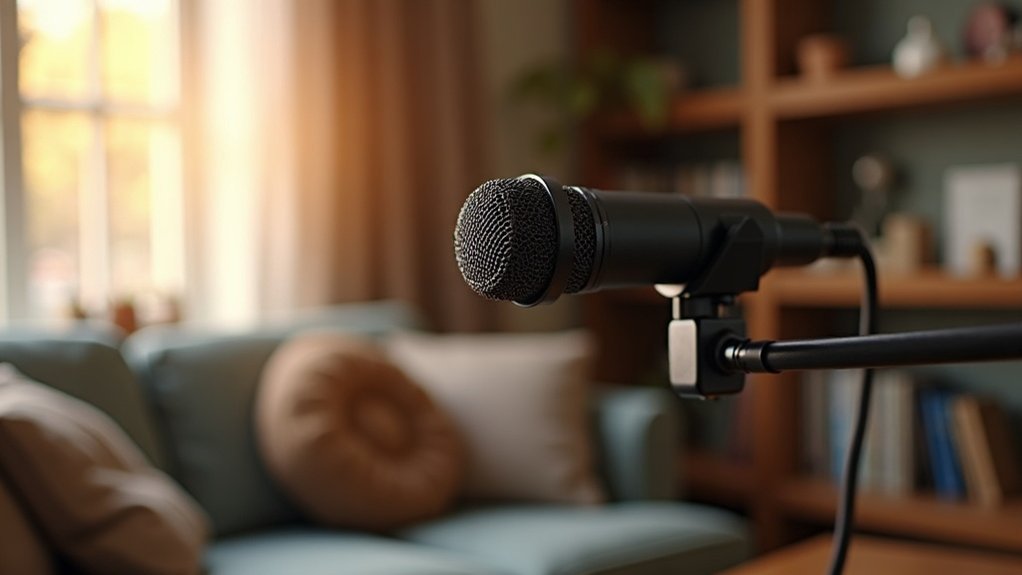
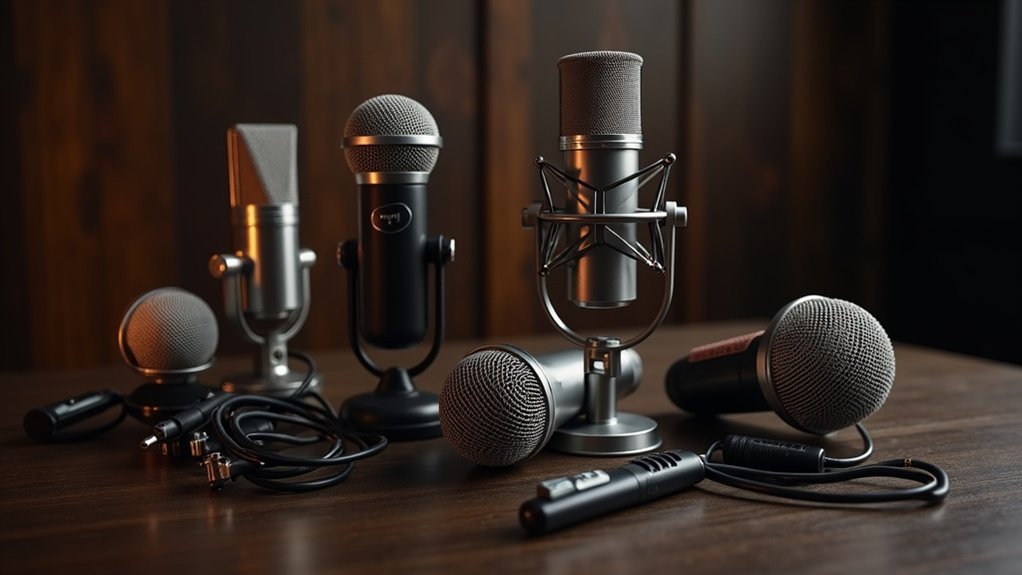
When exploring how many types of microphones there are, you’ll find that they primarily fall into three transducer categories: dynamic, condenser, and ribbon. Dynamic microphones are celebrated for their durability and ability to handle high sound pressure, making them ideal for various applications. On the other hand, condenser microphones shine in sensitivity and detail, capturing nuances that many creators seek. Ribbon microphones provide a warm sound with a smooth response, though they tend to be more fragile.
Each of these microphone types features specific polar patterns and diaphragm sizes that significantly influence sound capture and quality. Understanding the various types of microphones can greatly enhance your audio experience, whether you’re podcasting, streaming, gaming, or recording. Further exploration into these microphone categories offers even more insights, ensuring you make informed choices for your audio needs.
Key Takeaways
- There are three main transducer types: dynamic, condenser, and ribbon microphones, each with unique characteristics and applications.
- Microphones can be categorized by polar patterns, including omnidirectional, cardioid, supercardioid, and hypercardioid.
- Diaphragm sizes further classify microphones as large, small, or medium, affecting sound quality and response.
- Form factors include handheld and lavalier microphones, designed for specific uses like live performances and interviews.
- Emerging technologies, such as MEMS microphones, add new types and applications for modern audio needs.
Understanding Microphone Types: A Comprehensive Guide
When you’re exploring the world of microphones, understanding microphone types is essential, as each serves unique purposes and applications. The main families include dynamic, condenser, and ribbon microphones, each with distinct histories and innovations. Dynamic mics excel in durability and handle high sound pressure, while condensers offer higher sensitivity and require external power, making them ideal for capturing delicate sound nuances. Ribbon microphones, known for their classic character, provide a smooth high-frequency response. Additionally, dynamic microphones are commonly used on stage, making them a popular choice for live performances. Beyond these, numerous other types exist, showcasing the breadth of microphone technology. By grasping the different microphone types, you not only enhance your audio experience but also connect with the rich history of these essential tools.
Whether you’re a creator, gamer, or musician, knowing about various microphone types can significantly impact your podcasting, streaming, and recording endeavors.
The Three Primary Transducer Types: What You Need to Know
Here’s what you need to know about these essential transducer types:
- Dynamic Characteristics: Dynamic microphones are known for their durability and ability to handle high sound pressure levels, making them ideal for live settings. However, they tend to offer a narrower frequency response and slower transient performance compared to other transducer types. Additionally, they are often the preferred choice for live settings due to their robustness.
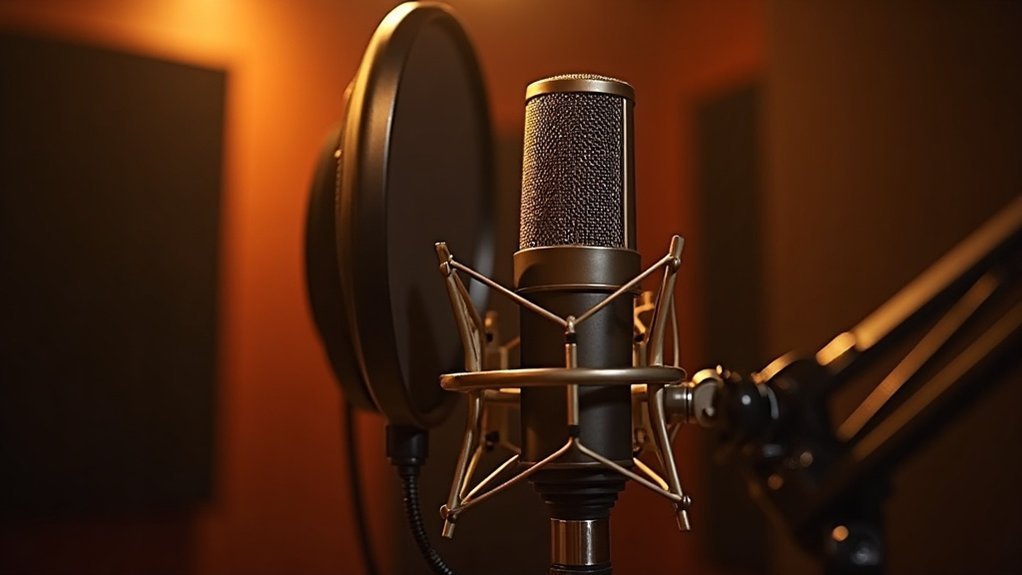
- Condenser Advantages: When it comes to capturing subtle details with clarity, condenser microphones excel with their high sensitivity and superior transient performance. This makes them perfect for studio work and an excellent choice among the three primary transducer types for creators looking to achieve professional sound quality.
- Ribbon Nuances: Ribbon microphones provide a warm sound and smooth transient response, making them a favorite for specific applications. However, these mics are more fragile and sensitive to mechanical damage, which means they require careful handling.
Understanding the intricacies of these transducer types is crucial for anyone serious about their audio production journey.
Polar Patterns: How They Influence Microphone Usage
Polar patterns play an essential role in determining how effectively a microphone captures sound from various directions. Understanding polar patterns and how they influence microphone usage can significantly enhance your audio experience.
Omnidirectional mics capture sound evenly, making them ideal for ambient recordings, while cardioid patterns prioritize sound from the front, reducing rear pickup—perfect for isolating vocals. Supercardioid and hypercardioid patterns tighten directional sensitivity even further, enhancing isolation in noisy environments. Additionally, directional microphones offer greater working distance in noisy settings, making them suitable for various applications. Understanding polar patterns also helps in managing bleed control and tonal character, which is crucial for achieving clarity in recordings. The choice of a microphone can significantly affect sound capture and how the audio is perceived by the audience.
Bidirectional patterns excel in stereo techniques, and shotgun mics offer extreme directionality, making them excellent for film and dialogue. By choosing the appropriate polar pattern, you can achieve the desired sound quality in your recordings, which is vital for creators, gamers, musicians, and professionals alike.
Understanding how polar patterns influence microphone usage is key to finding the right mic for your needs.
Microphone Diaphragm Sizes: Their Impact on Sound Quality
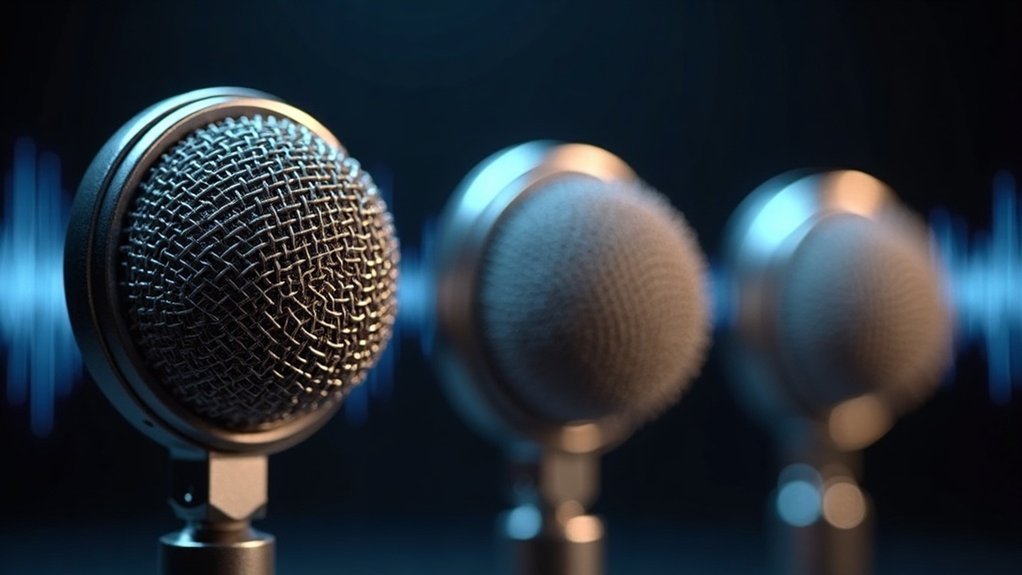
Microphone diaphragm sizes greatly influence sound quality and recording characteristics, impacting everything from tonal balance to transient response. Understanding microphone diaphragm sizes and their impact on sound quality is crucial for creators, gamers, and musicians. Large diaphragm condenser microphones are particularly popular for their unique sound profile.
Here are key sonic differences based on diaphragm size:
- Large Diaphragm: This size offers rich, warm tones, enhanced low-frequency response, and pronounced tonal coloration, making it a favorite for vocals and instruments that benefit from a fuller sound. Large diaphragm microphones typically have better noise performance, which allows for clearer recordings in various environments. Additionally, larger diaphragms generate higher output levels, which can be advantageous in certain recording scenarios.
- Small Diaphragm: Known for delivering detailed, neutral sound, small diaphragm microphones excel in transient response and consistent frequency response, ideal for those seeking accuracy in their recordings. These microphones are often favored for capturing classical music due to their ability to provide pure, natural sound.
- Medium Diaphragm: These microphones balance detail and fullness, providing a compromise between warmth and clarity, appealing to a wide range of recording applications. They can serve as versatile options for both studio and live settings, making them adaptable for different uses.
Microphone Form Factors: Understanding Their Uses and Benefits
When choosing a microphone, understanding the form factors can greatly enhance your audio experience. Handheld microphones are ideal for live performances and interviews due to their durability and proximity control, while lavalier microphones offer discreet, hands-free operation for presentations and broadcasts. Each type serves unique applications, ensuring you capture clear sound in various environments. Additionally, cardioid microphones are popular in live settings due to their ability to focus on sound sources directly in front of them while minimizing background noise. Microphones vary by type, allowing you to select the best option for your specific audio needs. This diversity includes dynamic and condenser microphones, which cater to different recording situations and preferences.
Handheld Microphones Overview
Handheld microphones serve as essential tools in various settings, providing versatility and control for vocal capture. These microphones are commonly used in live performances, interviews, and reporting, making them a staple for creators, gamers, and professionals alike.
Here are some key points to consider when evaluating handheld microphones:
- Advantages of handheld microphones include real-time control over distance and angle, which enhances audio clarity during recordings or live events.
- Their rugged and durable design makes them suitable for various environments, ensuring they can withstand the rigors of performance and production.
- However, the limitations of handheld microphones involve their visibility in video work and the necessity of occupying one hand, which can reduce freedom of movement.
Ultimately, understanding the advantages and limitations of handheld microphones helps you choose the right microphone for your specific needs, ensuring peak performance and sound quality for your projects. Additionally, dynamic microphones are often an excellent choice for vocals due to their ability to handle high sound pressure levels.
Whether you’re podcasting, streaming, or recording music, selecting the appropriate handheld microphone can significantly impact your audio experience.
Lavalier Microphones Applications
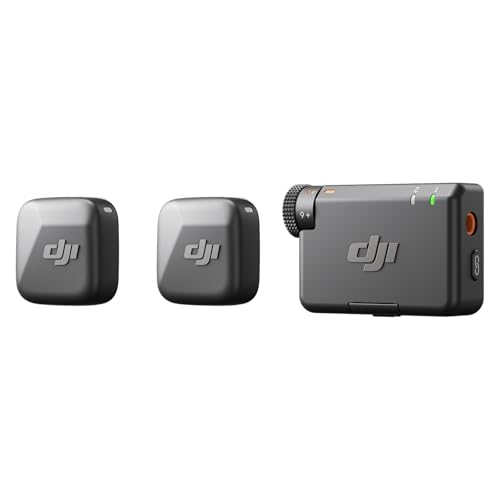
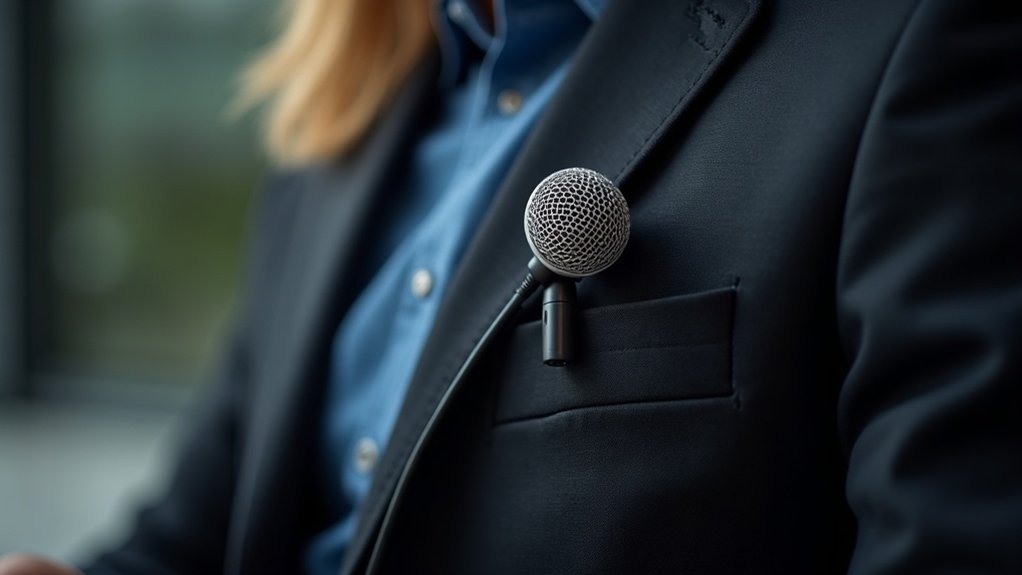
Lavalier microphones, often referred to as lapel mics, excel in applications where hands-free speech capture is essential, making them a popular choice in various fields. These compact microphones shine in broadcasting, film production, and public speaking settings. The benefits of lavalier microphones include unobtrusive placement and clear audio, though they do have limitations, such as sensitivity to clothing noise. Additionally, lavalier microphones are particularly effective in interviews and video production, where clear audio is crucial for engaging content.
| Application | Benefits | Limitations |
|---|---|---|
| Broadcasting | Mobility and clarity | Potential for interference |
| Film Production | Discreet and natural audio | Limited range |
| Public Speaking | Freedom to move | Clothing noise sensitivity |
Considering the versatility of lavalier microphones, they are a preferred choice for many professionals seeking effective hands-free solutions. Whether you’re a content creator, gamer, or musician, understanding the applications and limitations of these lapel mics can enhance your overall audio experience.
Choosing the Right Microphone for Your Needs?
How do you determine the best microphone for your needs? Choosing the right microphone for your needs starts with these key factors:
- Transducer Type: Decide between dynamic, condenser, or ribbon microphones based on your particular application.
- Polar Pattern: Opt for cardioid microphones in noisy environments, omnidirectional for well-acousticed rooms, or bidirectional for interviews.
- Budget Considerations: Balance quality with cost; while high-end options may be appealing, it’s essential to carefully assess your recording environment.
Conducting a thorough analysis of your recording environment is crucial when choosing the right microphone for your needs. Understanding polar patterns can greatly influence your choice, as they determine how microphones capture sound from different directions.
Matching the appropriate microphone to your source type and environment ensures optimal sound capture while remaining within your budget.
Emerging Microphone Technologies: Practical Applications
In industrial settings, MEMS microphones play a crucial role in predictive maintenance and noise localization, ensuring machinery health and operational efficiency.
Moreover, beamforming innovations significantly improve sound directionality in teleconferencing and broadcasting, enriching spatial audio experiences—key components of emerging microphone technologies.
Beamforming innovations enhance sound directionality in teleconferencing and broadcasting, elevating the spatial audio experience in emerging microphone technologies.
In healthcare, the integration of MEMS in hearing aids and cochlear implants offers reliable solutions, illustrating the practical applications of these advancements. MEMS microphones are increasingly recognized for their compact size and high performance, making them ideal for modern applications.
These developments not only enhance functionality but also foster community connections, making technology more accessible and intuitive in everyday life.
As we explore practical applications of emerging microphone technologies****, we’re witnessing a shift that empowers creators, gamers, musicians, and professionals alike, ensuring they can find and utilize affordable microphones effectively in podcasting, streaming, gaming, and recording.