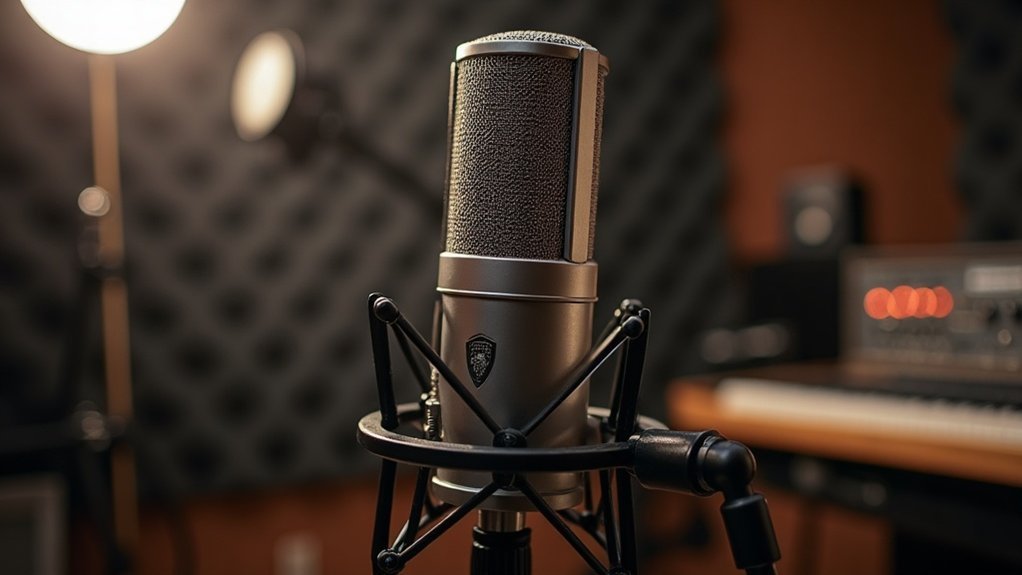

A cardioid microphone is designed to capture sound primarily from the front, effectively minimizing noise from the sides and rear. This unidirectional polar pattern makes it ideal for live performances and studio recordings, especially for creators and musicians looking for clarity. With enhanced noise rejection, a cardioid microphone provides cleaner signals in noisy environments, making it an excellent choice for podcasting and streaming. You can expect clear vocal clarity and high feedback resistance, essential for gamers and professionals alike. By choosing the right placement and optimization techniques, such as adjusting the microphone’s angle and distance, you’ll achieve the best audio quality possible with a cardioid microphone. There’s much more to explore regarding its features and applications, ensuring you find the perfect fit for your recording needs.
Key Takeaways
- A cardioid microphone captures sound primarily from the front, minimizing noise from the sides and rear.
- It features a heart-shaped polar pattern, providing strong sound isolation and clarity.
- Ideal for live performances and studio recordings, it effectively rejects unwanted background noise.
- The proximity effect enhances low frequencies when the sound source is close to the mic.
- Common uses include vocals in performances, studio recordings, and podcasting applications for improved audio quality.
What Is a Cardioid Microphone and How Does It Work?
A cardioid microphone is a highly specialized audio device designed to capture sound primarily from the front while minimizing noise from the sides and rear. As one of the popular microphone types, it employs a pressure-gradient principle, combining frontal and rear diaphragm information to achieve its distinctive polar pattern. This design enhances sound clarity by markedly reducing unwanted ambient noise. With maximum sensitivity at 0° and a null point at 180°, the cardioid microphone effectively rejects sounds from behind, making it ideal for live performances and studio recordings where focus on a single source is essential. Cardioid microphones are especially favored for their ability to provide excellent sound isolation, which is critical in noisy environments. Additionally, they demonstrate high gain before feedback, making them particularly effective in live sound reinforcement situations. Understanding what a cardioid microphone is and how it works can greatly benefit creators, gamers, musicians, and professionals seeking the best audio quality for podcasting, streaming, and recording. The unique polar pattern of a cardioid mic allows it to excel in situations where isolating the desired sound source is crucial, thereby improving the overall listening experience. Moreover, variations like supercardioid and hypercardioid microphones offer different pickup patterns that can be advantageous depending on specific audio needs. Whether you’re setting up for a live event or recording a podcast, knowing the advantages of a cardioid microphone can help you make informed decisions about your audio equipment.
Key Characteristics of Cardioid Microphones
When considering cardioid microphones, you’ll notice their unidirectional polar pattern, which maximizes sensitivity at the front while minimizing pickup from the sides and rear. This design effectively isolates sound sources, making it ideal for live performances and studio recordings. Additionally, the acoustic features contribute to a clear frequency response, enhancing vocal clarity and reducing unwanted background noise. Their ability to achieve high gain-before-feedback ensures optimal performance in loud environments. The heart-shaped polar pattern allows for precise sound capture, further improving their effectiveness in various audio settings. This directional characteristic also makes cardioid mics particularly useful in reducing background noise, allowing them to excel in diverse recording environments.
Directionality And Sensitivity
With a unidirectional pattern, these mics exhibit strong directional focus, offering maximum sensitivity at 0° on-axis while significantly reducing sensitivity at 90° and 180°. This inherent sound rejection capability allows you to capture desired audio while minimizing unwanted background noise. The cardioid’s effective hemispherical acceptance angle enhances its performance in noisy settings, making it ideal for live sound and recording. Additionally, the sound rejection capability of cardioid microphones is particularly beneficial in environments with high ambient noise levels. This is especially important because directional microphones can significantly reduce off-axis sound, ensuring clarity in recordings. In contrast, supercardioid microphones provide even greater directional focus at the expense of a narrower pickup pattern.
By leveraging the directionality and sensitivity features of cardioid microphones, you can guarantee clear and focused audio, contributing to a professional and polished sound experience. Understanding these attributes is essential for creators, gamers, and musicians aiming to elevate their audio quality through affordable microphone options.
Acoustic Design Features
Cardioid microphones are engineered with specific acoustic design features that enhance their performance in various audio environments, making them ideal for podcasting, streaming, gaming, and recording. These microphones utilize pressure-gradient design and incorporate acoustic vents to introduce controlled phase shifts, which are crucial for effective off-axis sound management. Below is a summary of key characteristics that contribute to their acoustic design features:
| Feature | Description |
|---|---|
| Acoustic Vents | Allow sound with a time delay for control |
| Phase Shift | Affects off-axis sound timbre |
| Proximity Effect | Boosts low frequencies at close range |
| Rear Null Depth | Ideally at −∞ dB; practically >20 dB |
These elements combine to create a balanced, directional response essential for quality audio capture, which is particularly important for creators and professionals seeking affordable microphones for their setups. Understanding these acoustic design features can help users select the right cardioid microphone for their specific audio needs, ensuring optimal performance in any situation. Additionally, the omnidirectional pattern of microphones is altered by the design elements in cardioid mics to effectively isolate sound sources. This is especially relevant in untreated rooms, where the polar patterns can significantly influence the overall sound quality. The polar pattern design of cardioid microphones helps minimize the pickup of background noise, which is crucial in noisy environments.
Common Uses for Cardioid Microphones in Audio Production
They’re commonly utilized in live performances to capture vocals while minimizing unwanted noise from instruments and amplifiers. This is particularly valuable in dynamic environments, where controlling sound sources is crucial. Additionally, their polar pattern makes them particularly effective at rejecting sound from the sides and rear.
In studio recordings, these microphones excel in isolating vocals and instruments, ensuring clarity and reducing room reflections. This capability is largely due to their directional pickup pattern, which enhances the quality of recordings.
For podcasting applications, cardioids focus on the speaker’s voice, effectively cutting out background noise for a professional sound.
In field recording, they adeptly capture dialogue and sound effects, limiting interference from environmental distractions.
This versatility in using cardioid microphones for audio production makes them a go-to choice for both professionals and enthusiasts alike.
Advantages of Using a Cardioid Microphone
One significant advantage of using a cardioid microphone is its exceptional noise rejection capabilities, which lead to a cleaner signal. These features of a cardioid microphone offer remarkable sound isolation, minimizing ambient noise and enhancing recording clarity. Additionally, the cardioid design excels in feedback management, allowing for higher gain without compromising audio precision. Understanding microphone polar patterns can help you select the best option for your vocal recording needs.
| Feature | Benefit |
|---|---|
| Noise Rejection | Cleaner, more defined sound |
| Sound Isolation | Less bleed in multi-mic setups |
| Feedback Control | Higher gain before feedback risk |
| Versatile Applications | Suitable for various environments |
| Enhanced Audio Quality | Detailed recordings in noisy spaces |
The advantages of using a cardioid microphone make it ideal for diverse audio production needs, ensuring creators, gamers, and musicians can achieve high-quality results in any setting. Whether you’re podcasting, streaming, or recording, the benefits of this microphone type are invaluable for enhancing audio clarity and performance.
Common Limitations of Cardioid Microphones to Keep in Mind

While cardioid microphones excel in various audio applications, it’s essential to be aware of the common limitations of cardioid microphones that users should consider. Here are some key points:
- Pickup Angle Sensitivity: The narrow pickup angle inherent in cardioid microphones means you need precise placement; off-axis sounds can lead to tonal coloration and reduced sound isolation.
- Proximity Effect: This effect can create muddiness in low frequencies when sources are too close, complicating EQ efforts and overall sound clarity.
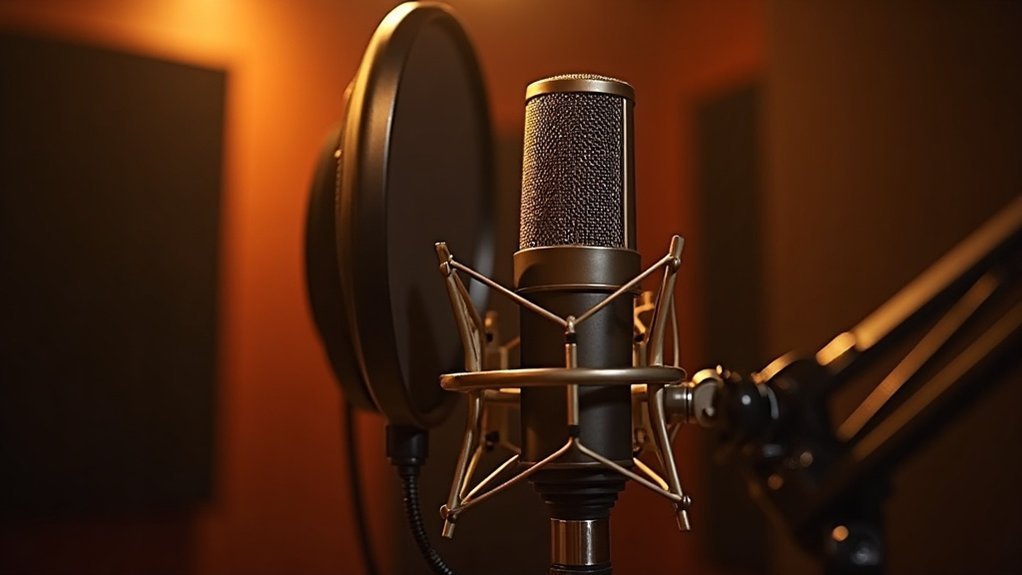
- Handling Noise: Increased sensitivity can amplify handling noise, making accessories like shock mounts and pop filters necessary for effective spill control.
- Microphone Type Influence: Understanding how microphone type affects sound quality is crucial for achieving the desired audio results.
Tips for Optimizing Your Sound With a Cardioid Microphone
Optimizing your sound with a cardioid microphone is essential for achieving high-quality audio in your recordings. To do this effectively, it’s important to understand key factors that affect audio quality. Start with microphone placement, aiming for a distance of 6–12 inches from your mouth to ensure a balanced tone. Experimenting with slight off-axis angles can help minimize plosives, enhancing your overall sound quality. Additionally, using a pop filter is vital for maintaining clarity in your recordings. Remember that microphone placement distance significantly influences recording quality.
| Factor | Recommendation |
|---|---|
| Distance | 6–12 inches for balanced tone |
| Angle | 15–30° off-axis for plosive control |
| Gain Level | Peaks around -18 dB |
| High-Pass Filter | 80 Hz to reduce low-end rumble |
| Room Treatment | Use acoustic panels for isolation |
Choosing the Right Cardioid Microphone for Your Specific Needs
When choosing a cardioid microphone, consider your specific use case, whether it’s for live vocals, podcasting, or recording instruments.
Pay close attention to key technical specifications like polar pattern accuracy, frequency response, and sensitivity to guarantee peak performance in your environment. Understanding polar patterns can help you select the right microphone tailored to your needs, greatly enhancing your audio quality.
Intended Use Scenarios
Choosing the right cardioid microphone for your specific needs requires careful consideration of your intended use scenarios. Understanding these applications is crucial when exploring options for affordable microphones that suit various creative endeavors.
Here are three key applications where selecting the right cardioid microphone can make a significant difference:
- Live Performance: For lead vocals and solo instruments, dynamic cardioid microphones are ideal. They excel in maximizing feedback control and isolating sound from stage noise, making them perfect for live settings.
- Studio Recording: In project studios, side-address cardioid condensers are the go-to choice. They enhance vocal clarity while minimizing room reflections, ensuring a polished sound that’s essential for high-quality recordings.
- Noisy Environments: When conducting interviews in challenging settings, selecting handheld cardioid microphones is crucial. These mics effectively reduce background noise, improving sound design and clarity, which is especially beneficial for podcasters and streamers. Additionally, understanding the importance of microphone types for noisy environments can guide your selection process.
Key Technical Specifications
Understanding key technical specifications is vital for selecting the right cardioid microphone tailored to your needs, especially in the context of affordable microphones for podcasting, streaming, gaming, and recording.
When examining these specifications, consider the frequency response, which should ideally span 20 Hz to 20 kHz for thorough audio capture. Evaluate dynamic range and self-noise levels; a lower noise floor enhances quiet recordings, making it crucial for creators in various fields.
Pay attention to off-axis behavior—smoother responses help maintain sound quality when sources move, which is especially important for dynamic environments like gaming or live streaming. The directivity index indicates noise rejection capabilities, essential for professionals aiming to capture clear audio in noisy settings.
Additionally, a presence boost can emphasize vocal clarity, further enhancing your recordings. Furthermore, understanding omnidirectional microphones can provide insight into how different pickup patterns may meet specific recording needs.
Finally, explore connectivity options to guarantee compatibility with your setup, ensuring you have the best experience with your chosen cardioid microphone. Each of these factors plays an important role in achieving optimal performance tailored to your specific applications, whether you’re a musician, creator, or gamer looking to elevate your audio quality.