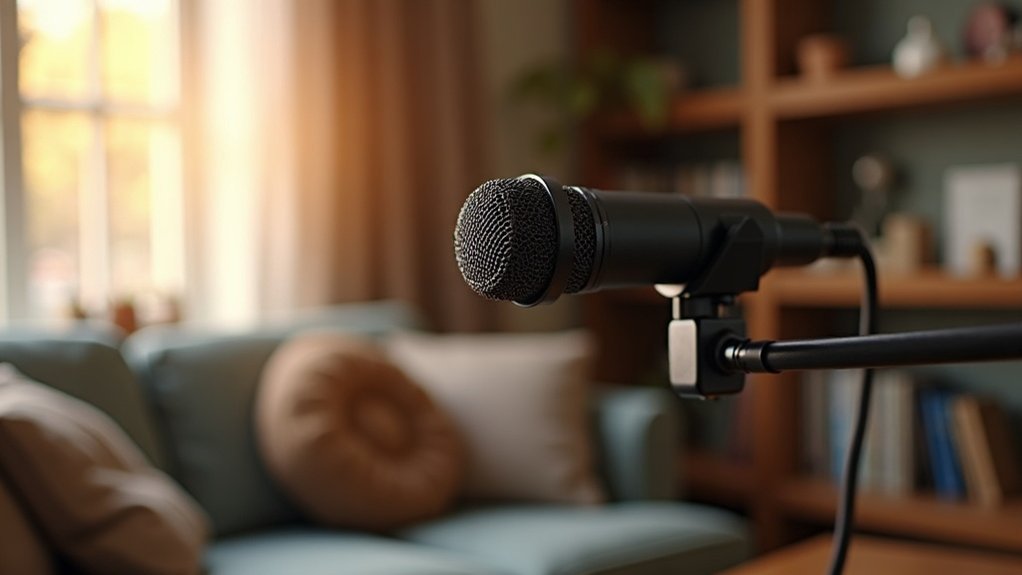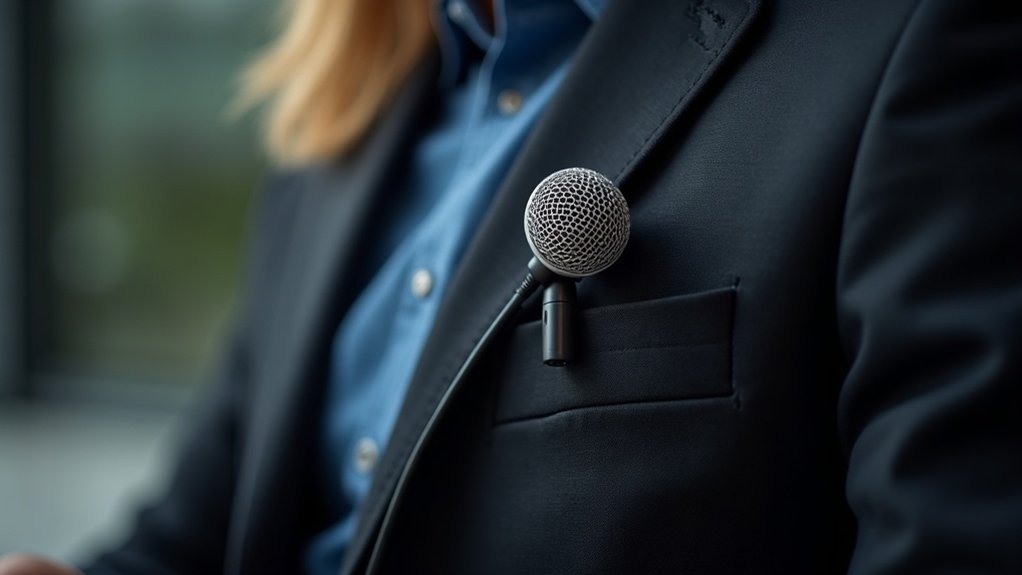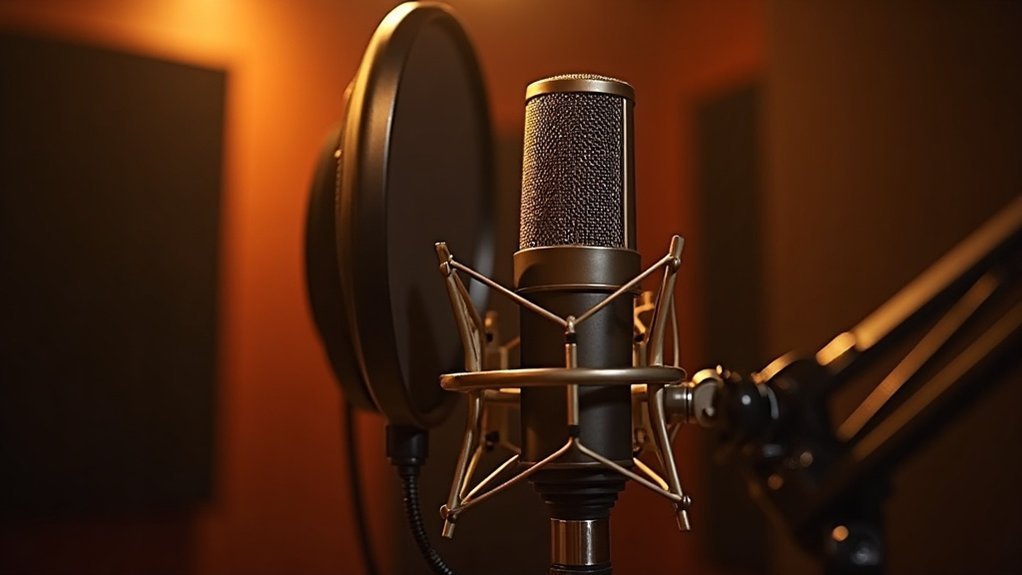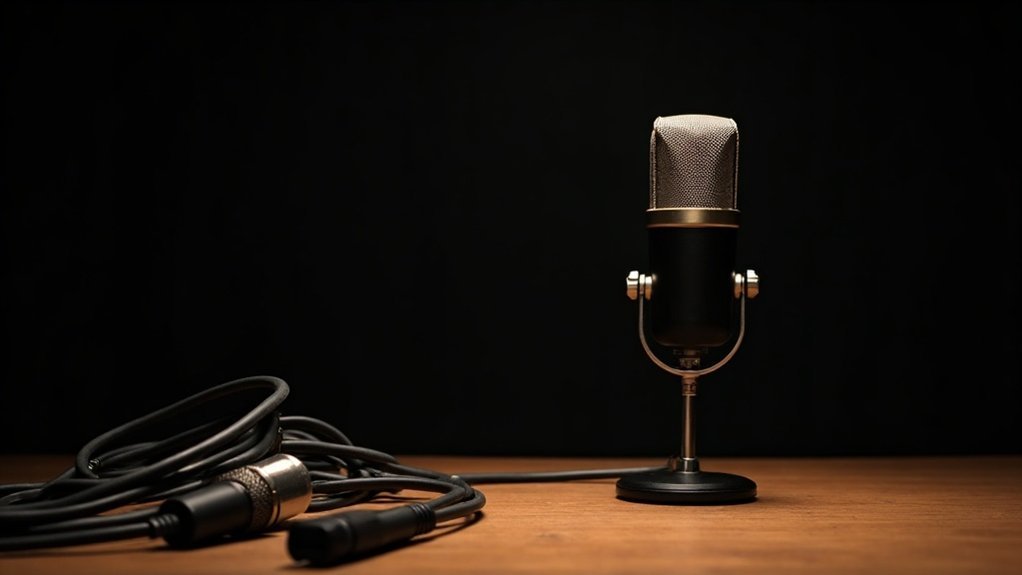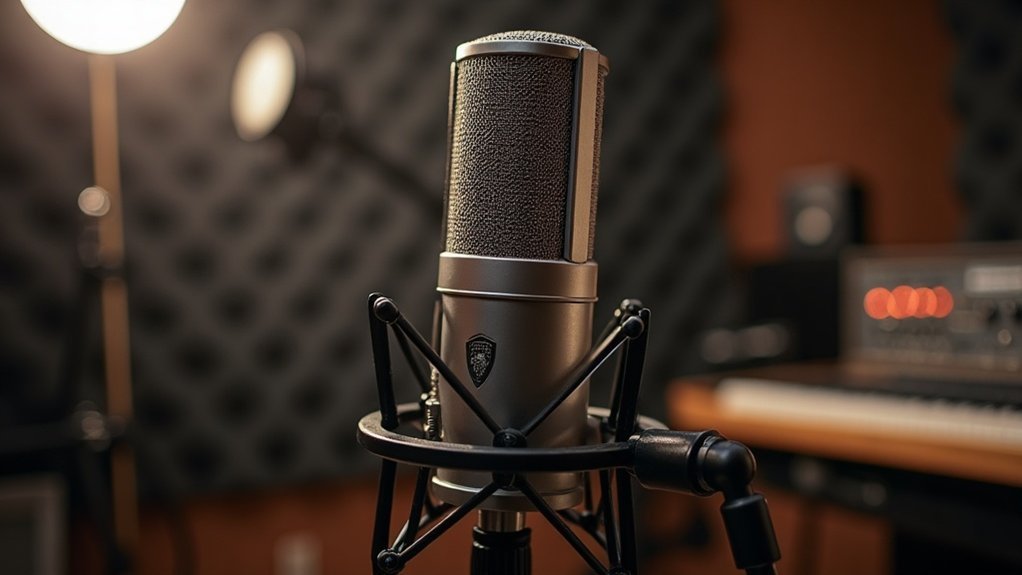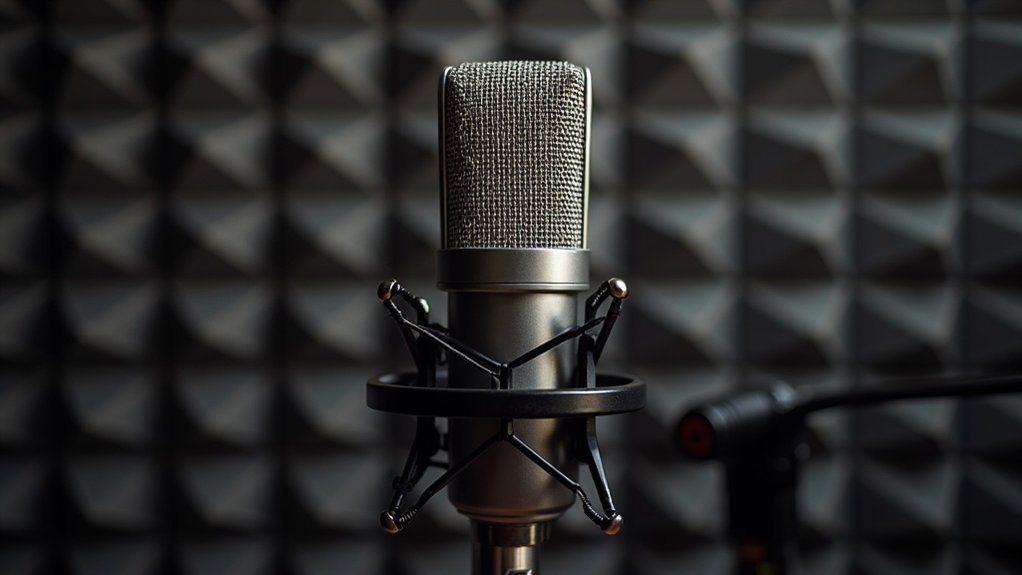

A studio microphone is a specialized recording device crafted to convert sound waves into electrical signals, making it essential for high-quality audio capture in various contexts. When exploring the world of studio microphones, you’ll encounter different types, including dynamic, condenser, and ribbon microphones, each offering unique advantages for specific recording scenarios.
Key specifications to consider when selecting a studio microphone include polar patterns, frequency response, and sensitivity levels, all of which significantly impact audio fidelity. Understanding these elements can greatly enhance your recording process and overall sound quality.
Delve deeper into the features and benefits of studio microphones to uncover how to choose the right microphone for your needs, whether you’re podcasting, streaming, or recording music. By exploring the diverse landscape of studio microphones, you’ll be better equipped to make informed decisions that elevate your audio projects.
Key Takeaways
- A studio microphone converts sound waves into electrical signals, ensuring high-quality audio capture in controlled environments like music studios and podcasts.
- Types of studio microphones include dynamic, condenser, and ribbon, each suited for different recording scenarios and sound sources.
- Key specifications include polar patterns, frequency response, and sensitivity, which influence how microphones capture sound and reject noise.
- Studio microphones enhance audio quality in various applications such as music recording, podcasting, and voice-over work, ensuring professional sound fidelity.
- Proper mic placement and controlled environments are crucial for optimizing sound capture and reducing unwanted background noise during recordings.
What Exactly Is a Studio Microphone?
A studio microphone is a specialized recording device designed to convert sound waves into electrical signals, ensuring high-quality audio capture in controlled environments. These microphones excel in music studios, broadcast settings, and podcast spaces, functioning as essential electroacoustic transducers. You’ll find various types of studio microphones, such as dynamic, condenser, and ribbon, each tailored for specific recording environments and sound sources. Compared to built-in options, studio microphones offer higher sensitivity and lower self-noise, capturing the nuances that matter. Their choice significantly affects the tonal signature of recordings, making it crucial for achieving pristine audio quality. Many studio microphones, especially condenser microphones, are known for their excellent frequency response, making them ideal for capturing vocals and acoustic instruments.
What Key Technical Specifications Should You Consider?
When choosing a studio microphone, you should focus on key technical specifications like polar pattern, frequency response range, and sensitivity levels. Each of these factors directly impacts how the microphone captures sound and integrates into your setup. Understanding these specifications can help you select a mic that best suits your recording needs, especially when considering a dynamic microphone like the Logitech G Yeti Studio, which offers a supercardioid polar pattern for better sound isolation. Additionally, taking into account the maximum distortion-free SPL is crucial for ensuring the microphone can handle the loudest sounds without sacrificing audio quality. A microphone’s polar pattern also influences its ability to reject unwanted noise from the sides and rear, making it essential for achieving clear recordings.
Polar Pattern Selection
How do you choose the right polar pattern for your studio microphone? Understanding pickup patterns is key to achieving recording isolation and controlling sound bleed. When considering polar pattern selection, it’s important to look at how each type affects your recording environment. Here’s a quick reference:
| Polar Pattern | Directional Sensitivity | Best For |
|---|---|---|
| Cardioid | Front-focused | Vocals, reducing room sound |
| Omnidirectional | All directions | Natural ambience capture |
| Figure-8 | Front and rear | Group recordings, side rejection |
When making your polar pattern selection, choose wisely based on your needs. Each polar pattern offers unique benefits, helping you manage off-axis sound and enhance your recordings effectively. By understanding how to select the right polar pattern for your studio microphone, you can significantly improve your audio quality for podcasting, streaming, gaming, and other creative endeavors. Additionally, polar patterns determine how sound is captured from sources, which is crucial for isolating desired audio while minimizing background noise. The choice of microphone directionality can also greatly influence your overall sound capture and clarity. Understanding the impact of polar patterns on sound isolation can further guide your selection process.
Frequency Response Range
Understanding the frequency response range of a studio microphone is essential for achieving ideal audio quality. The frequency response range defines the spectrum of frequencies the microphone can reproduce and its output variation across that spectrum. Typically, a range of 20 Hz to 20 kHz is standard, greatly affecting the microphone’s tonal character. A flat frequency response ensures neutral reproduction, while shaped responses can enhance clarity or reduce unwanted noise. Evaluating specifications such as the stated frequency response range and tolerance is crucial for selecting the right microphone for your needs, ensuring it captures the full depth and detail of your sound without distortion. Additionally, the frequency response is the most significant factor in determining a microphone’s sound signature. Choosing the right microphone type, such as dynamic or condenser, also plays a pivotal role in how effectively it captures sound. Understanding how frequency response interacts with various audio sources can further refine your selection process.
Sensitivity and Noise Levels
After grasping the frequency response range, it’s crucial to evaluate sensitivity and noise levels in studio microphones. Understanding sensitivity and noise levels is essential for achieving high-quality recordings. Higher sensitivity mics (8–32 mV/Pa) require less preamp gain, which enhances overall noise performance. Conversely, lower sensitivity mics (1–4 mV/Pa) necessitate more gain, potentially increasing self-noise and impacting your signal-to-noise ratio. When selecting a microphone, pay close attention to both sensitivity and self-noise levels; ideally, you want lower noise (10–15 dBA) for quiet sources. Furthermore, dynamic microphones typically exhibit lower sensitivity, making them less effective in quiet environments. Microphone sensitivity plays a critical role in determining how well a mic can pick up subtle sounds without introducing unwanted noise. Balancing these factors—sensitivity and noise levels—ensures you capture the best audio quality, allowing your recordings to shine in any studio setting. By prioritizing sensitivity and noise levels in your microphone choice, you can enhance your podcasting, streaming, or recording experience and achieve professional results. Additionally, understanding Total Harmonic Distortion (THD) is vital, as it indicates how close a microphone can get to capturing loud sounds without distortion.
How Do Different Types of Studio Microphones Function?
Understanding how different types of studio microphones function is essential for achieving the best sound quality.
Dynamic microphones convert sound pressure into electrical signals through a moving-coil mechanism, making them ideal for high-volume sources. This rugged design allows them to handle louder inputs without distortion, making them popular for live performances. Additionally, dynamic microphones are known for their no external power requirement, which simplifies their use in various settings.
In contrast, condenser microphones utilize a capacitor design that captures subtle details, requiring an external power source to operate effectively.
Condenser Microphone Operation
Condenser microphones operate based on the electrostatic capacitor principle, utilizing a diaphragm and a fixed backplate to form an air capacitor. These essential devices for capturing nuanced audio in studio settings take advantage of sound waves that create air pressure variations, driving diaphragm motion back and forth. This movement alters the distance between the diaphragm and backplate, effectively modulating capacitance in sync with the acoustic waveform.
When discussing how condenser microphones operate, it’s important to note that a constant bias voltage converts these capacitance changes into an electrical signal that mirrors the original sound. Additionally, condenser microphones typically feature high sensitivity levels, allowing them to capture a wider range of frequencies and subtle details.
Given their high impedance output, condenser mics require immediate amplification, making them a critical component for professionals seeking high fidelity in their recordings.
Understanding the operation of condenser microphones is crucial for creators, gamers, musicians, and anyone involved in podcasting, streaming, or recording, as it helps maximize the quality of audio capture in various settings.
Dynamic Microphone Mechanics
Utilizing a moving-coil design, these mics convert sound to electrical signals through electromagnetic induction. The diaphragm, often made from materials like Mylar or aluminum alloy, vibrates within a magnetic field, driving the voice coil to generate an AC signal.
Though dynamic microphones have higher moving mass, making them less sensitive to high frequencies, their robust construction, including acoustic cavities, allows them to handle high sound pressure levels without distortion. This durability makes them ideal for loud sources, ensuring reliability in various applications, from podcasting to gaming. Additionally, dynamic microphones are often favored in live sound settings due to their ability to reject background noise.
Understanding dynamic microphone mechanics is essential for creators and professionals looking to optimize their audio setups effectively.
Why Is Polar Pattern Important for Recording?
Moreover, the polar pattern significantly influences frequency response and proximity effect, affecting the tonal character of your recordings. In loud environments, selecting the right polar pattern aids in feedback management, ensuring a cleaner signal. By grasping *why polar pattern is important for recording*, you empower yourself to optimize your studio applications effectively. Understanding these aspects allows creators, musicians, and professionals to make informed decisions about their microphone choices and setups across every stage of the buying journey. Additionally, knowing the differences between supercardioid and hypercardioid microphones can further enhance your recording choices in specific environments.
How to Select the Best Studio Microphone for Your Needs?

When selecting the best studio microphone for your needs, it’s essential to consider several key factors. Start by defining your primary recording use-case and environment, as this will help you determine the right microphone for your specific situation. Choosing between dynamic and condenser mics is crucial, depending on your audio source and room treatment. Evaluating important specifications like frequency response and SPL handling will also guide your decision in finding the best studio microphone for your needs. Additionally, understanding the key differences between condenser and dynamic microphones can help clarify which type suits your recording style best.
| Factor | Considerations |
|---|---|
| Microphone Type | Dynamic vs. Condenser |
| Frequency Response | Smooth vs. Tailored |
| SPL Handling | Loud sources need higher SPL capacity |
| Connectivity | XLR vs. USB compatibility |
In your quest to select the best studio microphone for your needs, remember to incorporate effective microphone placement and recording techniques. These tips will help you optimize your results, ensuring that your chosen microphone performs at its best during recording sessions, whether for podcasting, streaming, or music production.
Which Applications Most Benefit From Studio Microphones?
Which applications benefit most from studio microphones? Music recording tops the list, capturing everything from vocals to acoustic instruments with precision.
In podcasting, studio microphones enhance vocal clarity, delivering intelligible speech and broadcast-quality sound, making them essential for any podcaster.
Voice-over work, particularly in audiobooks, also thrives on large-diaphragm condensers, which provide nuanced articulation that’s crucial for captivating listeners.
Content creators benefit from studio microphones in streaming and gaming, significantly improving audio quality compared to built-in mics, which is vital for engaging audiences.
Additionally, film and TV production relies on studio microphones for clear dialogue and sound effects, ensuring a polished final product. Moreover, selecting the right type of microphone can greatly influence overall streaming success.
How Do Connectivity Choices Impact Your Microphone’s Performance?
While selecting the right connectivity option for your studio microphone might seem trivial, understanding how connectivity choices impact your microphone’s performance is crucial for achieving optimal audio quality.
The choice between interface types, such as XLR and USB, directly influences connection stability and signal integrity. Balanced connections, like XLR, provide superior noise reduction, making them ideal for long runs, whereas unbalanced connections may introduce interference.
Moreover, digital interfaces such as AES/EBU offer better reliability and lower latency compared to standard USB connections. Additionally, USB microphones are often more user-friendly, making them a popular choice for beginners.
Matching your microphone’s impedance with the preamp can further enhance performance, reducing noise and preserving clarity.
What Advantages Do Studio Microphones Offer in Controlled Environments?
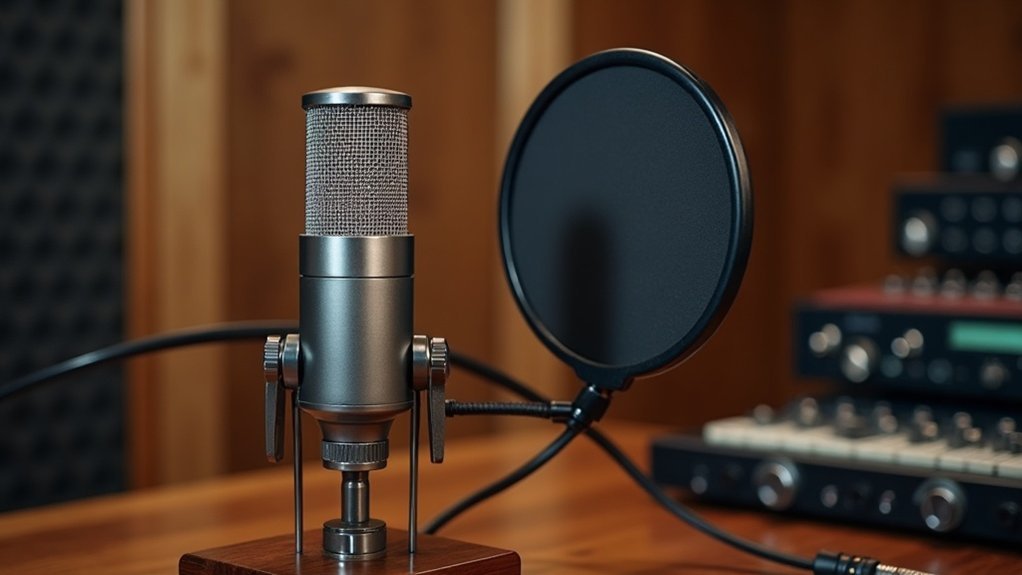
Studio microphones offer significant advantages in controlled environments, elevating audio quality to professional standards. These microphones excel in capturing high fidelity with detailed recordings, thanks to optimized microphone placement and low self-noise in acoustically treated spaces.
The benefits of studio microphones in controlled environments include enhanced noise isolation, which improves the signal-to-noise ratio for cleaner tracks. Additionally, precise tone shaping is possible with varied polar patterns, allowing you to manage room tone effectively.
This reliability not only fosters workflow efficiency but also enables seamless integration with your setup. As you refine mic placement, the predictable acoustics of controlled environments help you achieve repeatable results, making your recordings more polished and professional. Furthermore, understanding the noise floor is essential for maximizing the clarity and quality of your recordings.
Ultimately, the advantages of studio microphones in controlled environments are crucial for anyone looking to enhance their audio production quality.