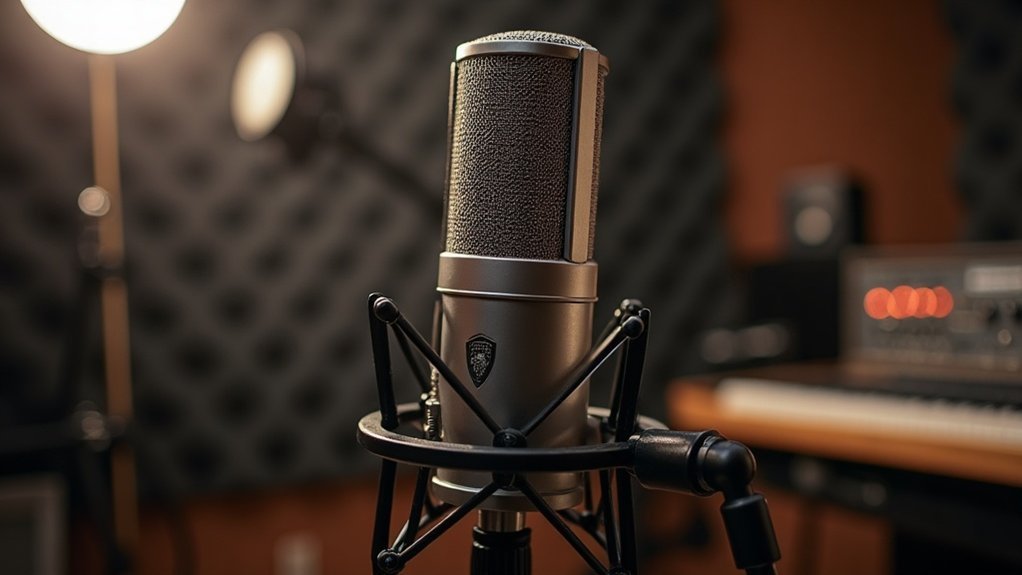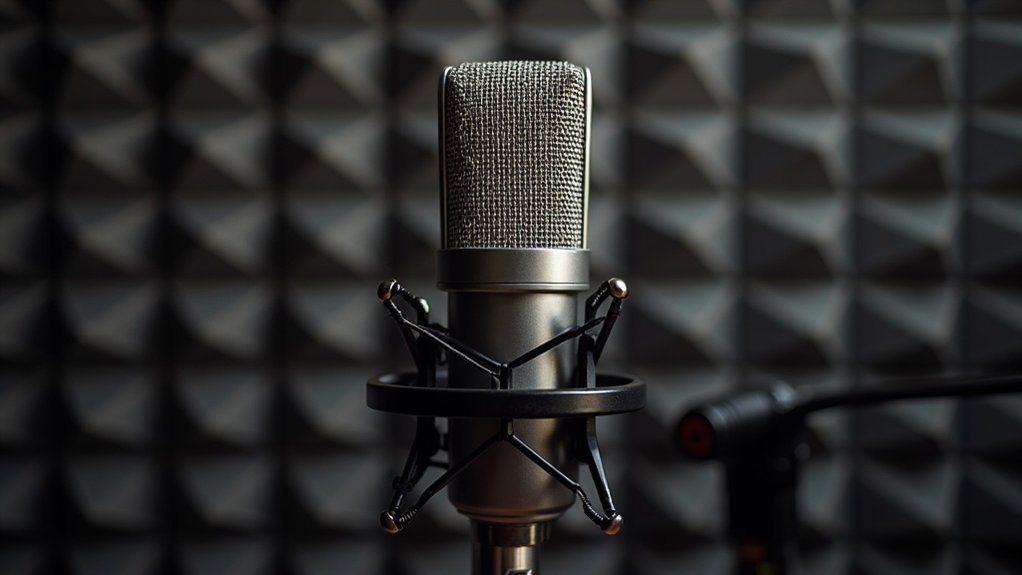

An XLR microphone is a professional audio device that uses a three-pin XLR connector to transmit balanced analog signals. This design significantly enhances noise cancellation and sound clarity, making it ideal for creators, gamers, and musicians alike. When comparing an XLR microphone to USB microphones, the former offers superior audio quality and versatility. XLR mics are essential in both studio and live settings, providing the flexibility needed to connect to various audio equipment seamlessly. If you’re interested in learning more about the advantages and applications of XLR microphones, keep exploring our resources for insights tailored to podcasting, streaming, gaming, and recording.
Key Takeaways
- An XLR microphone uses a three-pin XLR connector for balanced audio signals, enhancing noise cancellation and sound quality.
- It is favored by creators and musicians for its superior audio performance compared to USB microphones.
- XLR microphones offer better noise isolation and clarity due to balanced wiring and high-quality cables.
- They support flexible connections to audio interfaces and mixers, allowing for customizable audio setups.
- Essential for both studio and live settings, XLR microphones maintain signal integrity over long distances and complex setups.
What Is an XLR Microphone and How Does It Work?
An XLR microphone is a professional audio device that utilizes a three-pin XLR connector to transmit balanced analog audio signals. This connector, known as XLR-3, features a circular design with pins for ground, hot, and cold signals, ensuring superior noise cancellation.
Understanding what an XLR microphone is and how it works is crucial for creators, gamers, and musicians seeking high-quality audio. Different types of XLR microphones exist, each suited for various applications, from studio recording to live performances. The standard connector for professional audio equipment makes XLR microphones a go-to choice among audio professionals. Additionally, XLR microphones typically provide better sound quality than many USB options, making them preferable for critical audio tasks.
Understanding XLR microphones is essential for creators and musicians aiming for top-notch audio quality across various applications.
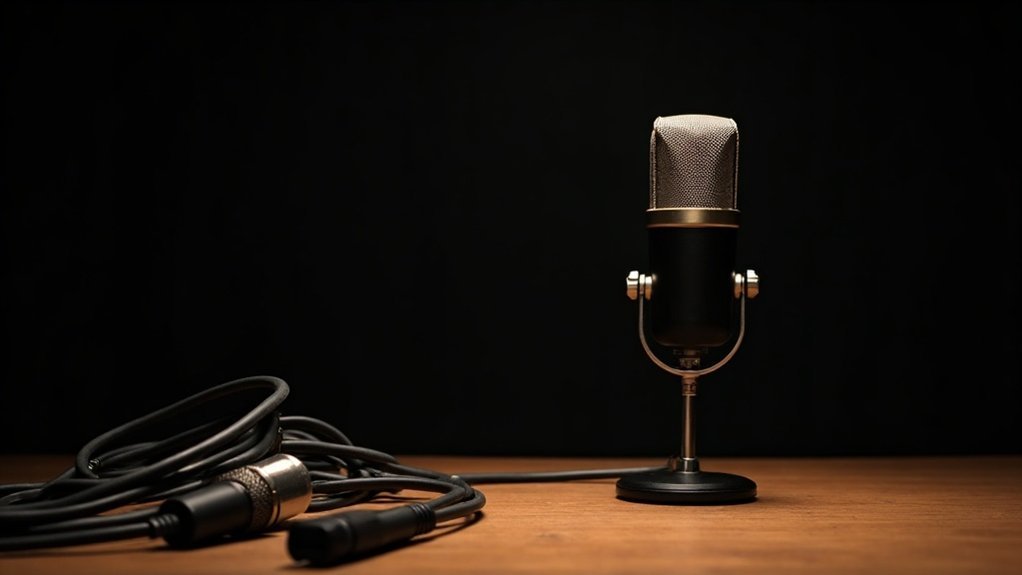
The quality of your XLR cables plays a critical role in maintaining signal integrity, especially over long distances. By choosing high-quality cables, you enhance audio clarity and reduce interference, making your XLR setup an essential part of any professional audio workflow. Additionally, XLR setups offer greater flexibility in connecting to various audio interfaces and mixers, allowing for enhanced control over your recordings.
Whether you’re podcasting, streaming, or recording, grasping how an XLR microphone works will help you make informed decisions.
Key Advantages of Using XLR Microphones
XLR microphones offer superior noise isolation, thanks to their balanced connections that effectively cancel out interference and maintain signal integrity. This design not only enhances sound quality but also provides flexibility in your setup, allowing for seamless integration with various audio equipment. Additionally, XLR microphones can be used without an audio interface in certain situations, making them versatile for different recording environments. With XLR’s modularity, you can easily customize and upgrade components to fit your specific recording needs. Additionally, XLR cables carry balanced audio, which is essential for clean sound and reduces crosstalk and noise.
Superior Noise Isolation
When recording in environments filled with electrical noise, achieving superior noise isolation is essential for capturing clean audio. XLR microphones shine in this aspect, thanks to their balanced connections that effectively cancel unwanted noise and reduce electromagnetic interference.
- The balanced wiring in XLR microphones is designed to reject external noise through common-mode rejection, enhancing superior noise isolation.
- XLR cables excel at maintaining audio integrity over long distances, minimizing any added noise and ensuring superior noise isolation. This is crucial for maintaining audio quality in professional settings, as a higher signal to noise ratio leads to clearer recordings.
- Their design significantly reduces hum and ground-loop issues, resulting in clearer recordings and reinforcing the importance of superior noise isolation.
For creators, gamers, and musicians, understanding the value of superior noise isolation when selecting a microphone can dramatically enhance the quality of your recordings, whether for podcasting, streaming, or gaming.
Enhanced Flexibility and Control
Achieving superior noise isolation sets the stage for exploring another key advantage of XLR microphones: enhanced flexibility and control. This enhanced flexibility and control allows you to customize your signal chain with modular upgrades, integrating seamlessly with audio interfaces, mixers, and preamps to suit various use cases. Such compatibility supports smooth transitions from studio to live environments, making it easier to adapt to different recording scenarios.
With XLR workflows, you can engage in multi-source audio mixing, adjusting levels and dynamics in real-time. The integration of external preamps further enhances this flexibility, providing fine-grained gain staging that optimizes your signal-to-noise ratio (superior sound fidelity). Additionally, the ability to connect to professional audio equipment ensures that you are working with top-tier tools for the best results.
This level of control not only boosts clarity but also maximizes your setup’s potential, ensuring you capture the best audio possible. Ultimately, the enhanced flexibility and control of XLR microphones empower creators, gamers, and musicians to elevate their audio experiences to new heights.
Choosing Between XLR and USB Microphones
How do you decide between XLR and USB microphones for your needs? Understanding the key differences in choosing between XLR and USB microphones can help you make the right choice.
- Sound quality: XLR setups often provide superior fidelity and dynamic range, making them ideal for professional audio applications. Furthermore, audio quality is determined by the components used in the microphone and the setup, not just the connection type. This is particularly important because balanced connections minimize interference, leading to clearer sound.
- Upgrade potential: XLR systems allow for modular upgrades, whereas USB microphones typically require full replacements if you want to enhance your setup.
- Cost-effectiveness: While USB microphones offer lower initial costs, investing in XLR can be more economical in the long run due to their longevity and versatility.
In the discussion of choosing between XLR and USB microphones, consider your specific use case.
Are you prioritizing convenience with USB, or do you prefer the flexibility and upgrade options that XLR microphones provide?
Think about how you envision your audio setup evolving over time, as this will significantly influence your decision in the XLR versus USB microphone debate.
Common Applications for XLR Microphones
XLR microphones are essential in both studio recording environments and live performance settings. In studios, they capture high-fidelity sound from vocals and instruments, while on stage, they guarantee clear audio transmission to mixers and amplifiers. Their versatility and reliability make them the go-to choice for professionals across various audio applications. This is particularly evident in music recording, where capturing sound depth and accuracy is crucial for a polished final product. Additionally, their greater versatility in equipment selection allows users to tailor their setups for specific recording needs. Furthermore, the use of an audio interface is crucial in optimizing the signal quality from XLR microphones for both recordings and live performances.
Studio Recording Environments
In studio recording environments, utilizing XLR microphones is essential for capturing high-quality audio in various applications. Their design suits both vocal techniques and instrument recording, ensuring clarity and detail.
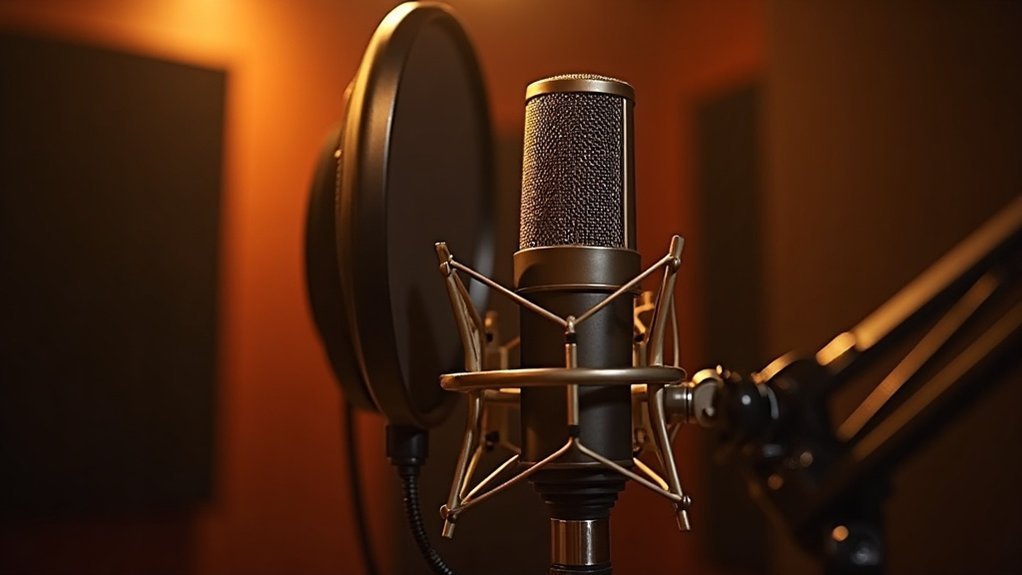
- Large-diaphragm condensers excel for lead vocals, minimizing ambient noise through cardioid pickup patterns, making them ideal for studio recording setups. Understanding polar patterns can help you select the right microphone for your specific needs.
- Dynamic mics handle high sound pressure levels, perfect for guitar amps and drums, crucial for achieving the best sound in studio recording spaces.
- XLR connections maintain signal integrity over long cable runs, vital for professional studio recording environments. This balanced audio capability is crucial for preventing interference, especially in complex studio setups.
With careful mic placement and the right gear, you can achieve studio-quality results, whether you’re recording vocals, instruments, or podcasts.
Your sound deserves nothing less in any professional recording space.
Live Performance Settings
Balanced XLR connections reduce noise, supporting seamless audience interaction, which is vital in live performance settings. Whether miking vocals or instruments, these mics adapt to various stage acoustics, providing reliable sound reinforcement for every performance. Additionally, microphone types can influence the overall sound capture, making it essential to choose the right one for specific applications.
Fundamentally, XLR microphones form the backbone of successful live performances, ensuring every note resonates with clarity. In summary, when considering live performance settings, investing in quality XLR microphones can significantly elevate the overall experience for both the performers and the audience.
Setting Up Your XLR Microphone: What You Need
To successfully set up your XLR microphone****, you’ll need a few essential components that guarantee ideal sound quality for your recordings. Focus on these key items:
- XLR microphone (dynamic or condenser)
- XLR cable (3-pin connectors for reliable connection)
- Audio interface or mixer (for preamp gain and signal conversion)
Ensure the female end of the XLR cable connects to your microphone and the male end to the interface or mixer. It’s crucial to check input selection and enable phantom power for condenser microphones. Additionally, an XLR microphone typically requires an interface to convert the analog signal to digital for your computer.
This setup not only aligns microphone types and connection methods but also lays a solid foundation for quality audio capture—essential for creators, gamers, and musicians alike.
Tips for Selecting the Right XLR Microphone for Your Needs

Selecting the right XLR microphone for your needs hinges on understanding your specific requirements and recording environment.
When it comes to vocal applications, large-diaphragm condensers are excellent for treated rooms, while dynamic mics are more suitable for untreated spaces.
For vocal recordings, large-diaphragm condensers shine in treated spaces, while dynamic mics excel in untreated environments.
If you’re focused on recording instruments, prioritize microphones with a wider frequency response and the ability to handle high SPL.
For podcasting, cardioid dynamics excel at noise rejection, making them a top choice when considering how to select an XLR microphone for your needs.
Live performances demand rugged dynamics with strong off-axis rejection to maintain sound clarity.
It’s essential to pay attention to polar patterns and sensitivity; cardioid mics are particularly effective for isolating sound, which is crucial when selecting the right XLR microphone for your needs.
Additionally, ensure compatibility with your audio interface, and keep in mind that condenser mics require phantom power, while low-output dynamics need clean gain for optimal performance.
Dynamic microphones are commonly used in live settings, which further emphasizes their versatility in various recording scenarios.