
A Figure 8 microphone captures sound from both the front and rear while effectively rejecting noise from the sides. This unique design employs pressure-gradient transduction, featuring either two cardioid capsules or a single dipole capsule, ensuring maximum sensitivity at 0° and 180°. The Figure 8 microphone’s configuration makes it ideal for isolating audio sources, significantly minimizing bleed from adjacent instruments. By understanding the characteristics of this type of microphone, you can optimize your recordings and explore various techniques that enhance audio clarity. Whether you’re a gamer, podcaster, or musician, mastering the use of a Figure 8 microphone can elevate your sound quality in any recording setup.
Key Takeaways
- A Figure 8 microphone captures sound from the front and rear while rejecting noise from the sides, achieving bidirectional sensitivity.
- It features a polar pattern with maximum sensitivity at 0° and 180°, minimizing pickup at 90° and 270°.
- Commonly used for interviews, duet recordings, and M/S stereo techniques, it enhances sound isolation and acoustic quality.
- Precise positioning is essential to optimize sound isolation and control the proximity effect during recordings.
- Figure 8 microphones come in various types, including ribbon and large-diaphragm condensers, each offering unique sound characteristics.
What Is a Figure 8 Microphone and How Does It Work
A Figure 8 microphone, often referred to as a bidirectional mic, is designed to capture sound from both the front and rear while effectively rejecting noise from the sides. Understanding how a Figure 8 microphone works is essential for creators, gamers, musicians, and professionals looking to enhance their audio quality. This microphone technology operates through pressure-gradient transduction, responding to differences in sound pressure between the front and rear of its diaphragm. Typically, it features two cardioid capsules back-to-back or a single dipole capsule. The design of a Figure 8 microphone enables equal sensitivity and frequency response, creating distinct bidirectional pickup. With its lobes providing maximum sensitivity at 0° and 180°, this mic also creates deep nulls at 90° and 270°, ensuring clear audio capture in controlled environments. Additionally, its bidirectional polar pattern makes it particularly effective for capturing duets or conversations between two speakers. The bidirectional pickup pattern allows for versatile use in both studio and live settings. Using a Figure 8 mic can reduce feedback during performances, making it a valuable tool for various audio applications. Whether you’re podcasting, streaming, or recording, understanding the functionality of a Figure 8 microphone can greatly enhance your sound quality and recording experience.
Understanding Key Characteristics of the Figure 8 Polar Pattern
Understanding Key Characteristics of the Figure 8 Polar Pattern is essential for anyone looking to optimize their audio recordings. This microphone, with its bidirectional sensitivity, excels in capturing sound from both the front and rear, while effectively rejecting lateral noise. The maximum response for the Figure 8 polar pattern occurs at 0° and 180°, ensuring clarity for sources positioned directly in front and behind. With minimal sensitivity at 90° and 270°, this polar pattern’s lateral rejection is instrumental in eliminating unwanted ambient sounds. Additionally, the unique design of the Figure 8 polar pattern allows for effective use in M/S stereo technique, making it a versatile tool in controlled environments. Understanding the specific applications of the Figure 8 pattern can enhance recording quality in various scenarios.
Advantages of Using a Figure 8 Microphone
Utilizing a Figure 8 microphone offers distinct advantages that enhance audio recording efficiency and quality. This type of microphone’s bidirectional design allows for effective dual-source recording, capturing sound from the front and rear while rejecting unwanted noise, ensuring strong lateral isolation in cluttered environments. This capability minimizes bleed from adjacent instruments, providing clarity in your recordings. The pronounced proximity effect adds richness to close-mic vocals, making them sound fuller. Additionally, the Figure 8 microphone’s sensitivity to sounds from the front and rear allows for unique recording techniques that can elevate the overall sound quality. Moreover, its rejection pattern enables precise isolation of sounds, making it ideal for interviews and dialogues in controlled settings. Plus, its flexibility in managing room sound lets you control ambience, creating a more natural spatial experience. Overall, these features make the Figure 8 microphone an invaluable tool for audio professionals, especially in dual-source recording scenarios where managing sound from multiple directions is crucial.
Whether you’re a creator, musician, or gamer, the benefits of using a Figure 8 microphone can significantly elevate your audio quality, making it a must-have for anyone serious about sound.
Common Uses for Figure 8 Microphones
- Duet recordings: These microphones are perfect for capturing face-to-face vocals, ensuring clear separation between the voices.
- Panel discussions: Figure 8 microphones are ideal for capturing multiple speakers while minimizing side bleed, making them a go-to for engaging conversations. Additionally, their ability to minimize noise from the sides enhances the overall clarity of the dialogue, as their design allows for effective sound isolation capabilities.
- Dialogue capture: In film and video, these microphones excel at isolating speech in two-actor scenes, enhancing audio clarity.
- Stereo configurations: Frequently utilized in Mid-Side setups, Figure 8 microphones enhance acoustic quality and room reflections, elevating the listening experience.
These common uses for Figure 8 microphones highlight their ability to provide noise isolation and acoustic enhancement, making them invaluable tools for audio professionals and enthusiasts alike.
Tips for Best Practices With Figure 8 Microphones
Figure 8 microphones offer remarkable versatility in various audio recording scenarios, but maximizing their potential requires careful attention to best practices with Figure 8 microphones.
Start with precise microphone positioning; aim the null side at unwanted sounds to enhance sound isolation. For multi-source recordings, position the mic equidistant between sources to balance capture and rejection effectively. This is crucial because microphone polar patterns determine how sound is picked up from different angles.
Precise microphone positioning is key; direct the null side at unwanted sounds for optimal sound isolation.
Use the rear lobe toward less reflective areas to minimize room tone. Control distance to manage the proximity effect; closer placement emphasizes direct sound while further distances capture ambience. This configuration is particularly beneficial for enhanced clarity in duet recordings.
Always recheck orientation after adjustments, as small changes can greatly impact what the microphone captures and rejects, ensuring ideal results with your Figure 8 mic setup.
Common Limitations and Challenges of Using Figure 8 Microphones
When using figure 8 microphones, you’ll often face challenges with ambient noise capture and proximity effects.
Their equal sensitivity to sounds from both the front and rear can lead to unwanted room tone and reflections, complicating recordings in untreated spaces. Additionally, the pronounced proximity effect can result in a boomy low-end when you’re too close, affecting tonal clarity and consistency. This sensitivity to sound from both directions makes capturing specific sound sources more complex, as it requires careful positioning to avoid unwanted interference. Understanding polar patterns is crucial for selecting the right microphone for your recording environment.
Ambient Noise Capture
Although figure-8 microphones excel in capturing sound from the front, their design inherently amplifies ambient noise due to the rear-lobe pickup. This can pose significant challenges when focusing on ambient noise capture.
Here are some issues you might encounter:
- Increased ambient noise from rear sources like fans or computers can disrupt your recordings.
- Room reflections may dominate your audio, particularly in untreated spaces, complicating the ambient noise capture process.
- Comb filtering might arise, leading to phase issues and tonal inconsistencies that affect overall sound quality.
- Distance and room control are crucial, as they greatly influence the ambient balance, underscoring the importance of acoustic treatment.
In noisy environments, the rear pickup of your figure-8 mic can effectively turn it into an ambient noise collector, complicating both your recordings and mixing efforts. Understanding common causes of background noise is vital for mastering ambient noise capture with this microphone type, which is essential for achieving clean and professional audio in various settings.
Proximity Effect Challenges
Using figure-8 microphones can present notable challenges due to the pronounced proximity effect challenges they exhibit. This effect leads to a significant low-frequency boost, often exceeding 20 dB at close distances, resulting in potential tonal imbalance.
You might find your recordings sounding boomy or muddy, especially with vocals, which can obscure clarity and articulation. Furthermore, the narrow ideal working distance means any minor positional shift can drastically alter tonal balance.
Keeping these proximity effect challenges in mind is vital, as the risk of overload and unwanted plosives also increases when capturing sound closely. Precision in placement is essential for maintaining desired audio quality, especially when navigating the nuanced difficulties presented by figure-8 microphone designs. Understanding the proximity effect is crucial for effective recording techniques.
What Types of Figure 8 Microphones Are Available?
Here are the main categories you’ll encounter:
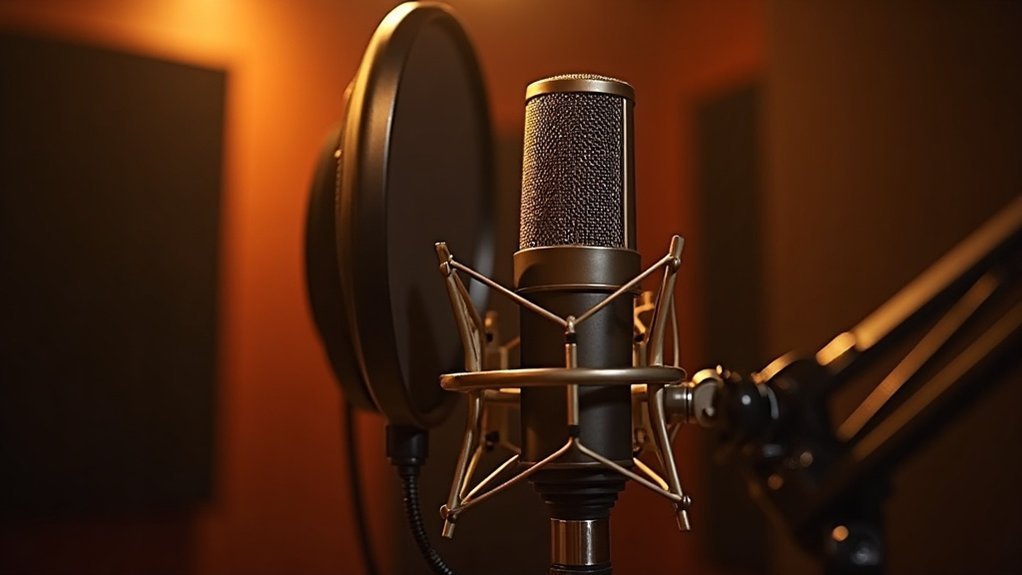
- Ribbon Microphones: Known for their natural sound and smooth high-frequency response, these figure 8 microphones excel in capturing vocals and instruments.
- Multi-pattern Large-diaphragm Condensers: These models offer switchable figure-8 patterns, making them ideal for versatile studio applications and accommodating different recording scenarios.
- “True” Small-diaphragm Condensers: Renowned for their fast transient response and precise off-axis behavior, these figure 8 microphones are perfect for detailed sound capture in various settings.
- General Condenser Mics: This category includes dedicated models with high sensitivity, which are great for vocals and instruments, showcasing the versatility of figure 8 microphones.
Each type of figure 8 microphone has unique strengths, making them valuable tools for achieving the sound you want in your recordings. Additionally, ribbon microphones are particularly sought after for their ability to produce a warm, vintage sound that is favored in many music genres.
Whether you’re a creator, gamer, or musician, understanding these options will help you maximize your audio quality.