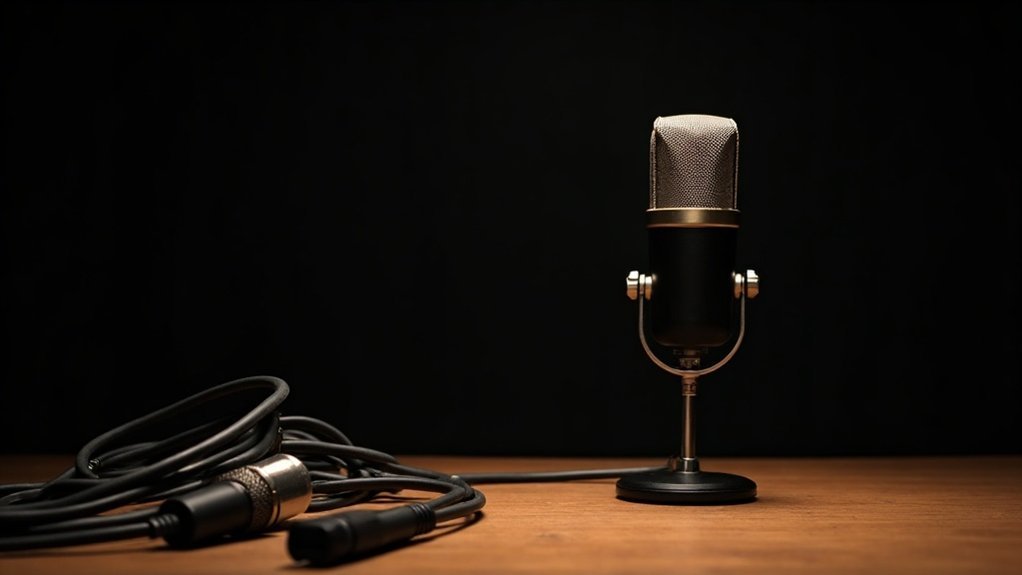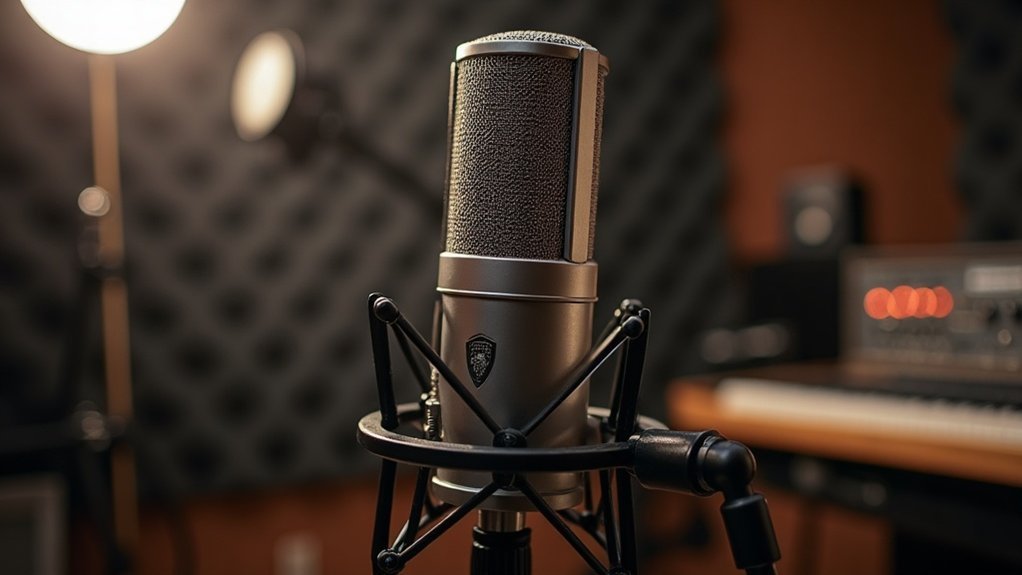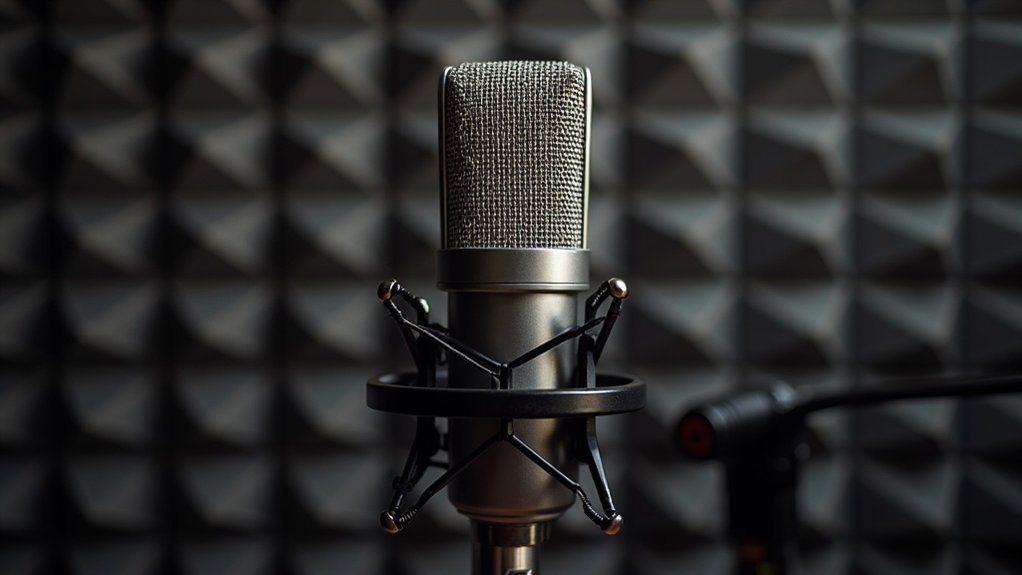
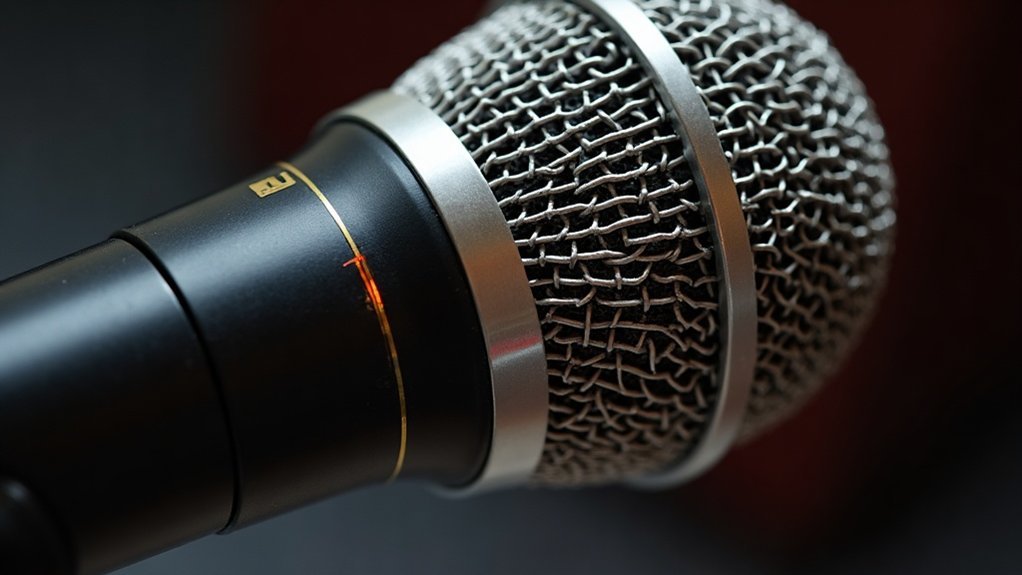
Microphones convert sound waves into electrical signals through a diaphragm that vibrates with pressure changes in the air. This diaphragm’s design, size, and materials significantly impact sensitivity and performance, allowing it to effectively capture sound energy.
Understanding how microphones work is essential for creators, gamers, and musicians seeking to optimize their audio experience. For instance, dynamic microphones handle high sound pressure well, making them ideal for live settings, while condenser microphones excel in clarity and detail, perfect for studio recordings.
Signal processing, including amplification and noise reduction, further enhances audio quality, ensuring that you get the best sound possible. By exploring the intricacies of how microphones work, along with the differences between various types and designs, you can make an informed choice for your audio needs, whether it’s for podcasting, streaming, or recording.
Key Takeaways
- Microphones convert sound waves into electrical signals through a diaphragm that vibrates in response to pressure variations from the sound waves.
- Dynamic microphones use electromagnetic induction, while condenser microphones utilize capacitive changes for signal generation.
- The diaphragm’s design, including its size and material, directly influences sensitivity and frequency response.
- Signal processing enhances the captured audio, involving amplification, digital conversion, and noise reduction techniques.
- Choosing the right microphone involves considering frequency response, polar patterns, and connection types based on specific audio needs.
Microphones: How They Capture Sound
Microphones: How They Capture Sound by converting acoustic energy into electrical energy through a process known as transduction.
To fully appreciate how microphones work, it’s essential to understand sound wave dynamics; sound waves create pressure variations that strike the diaphragm, a sensitive membrane. This motion reflects the differing air pressures, allowing stronger pressure to generate larger diaphragm movements, thereby enhancing the electrical response.
Microphones utilize wind covers to prevent noise interference from environmental factors, ensuring clearer sound capture. As a transducer, the microphone transforms these vibrations into an electrical signal, preserving key properties like loudness and frequency. The different types of microphones allow users to select the best option for their specific recording environment, with some being better suited for live sound applications.
This process is crucial for anyone looking to optimize their sound experience, whether for podcasting, streaming, gaming, or recording. The captured signal can then be amplified, recorded, or transmitted, enabling you to experience the fidelity of sound in various applications.
Understanding how microphones capture sound empowers creators, musicians, and professionals to make informed decisions about their audio equipment, ensuring they get the most out of affordable microphones for their needs.
Understanding Different Types of Microphones
When selecting a microphone, understanding different types of microphones can greatly influence your audio quality and application suitability.
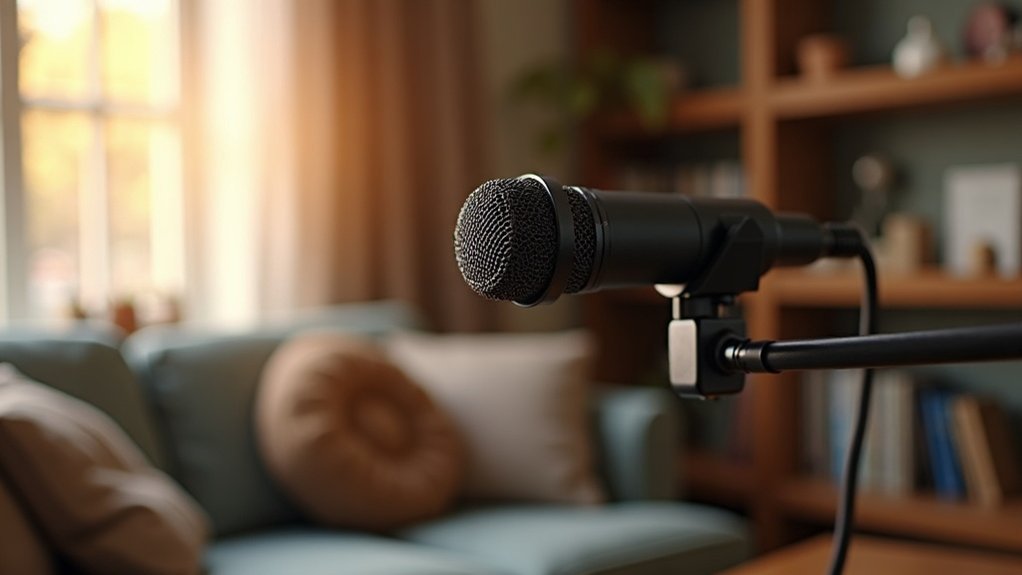
Dynamic microphones excel in live settings, handling high sound pressure levels, making them ideal for drums and loud vocals. Their rugged design suits touring, ensuring durability in tough environments. Additionally, they are known for their low sensitivity which makes them best suited for louder sources. This durable construction allows them to withstand the rigors of live performances without compromising sound quality.
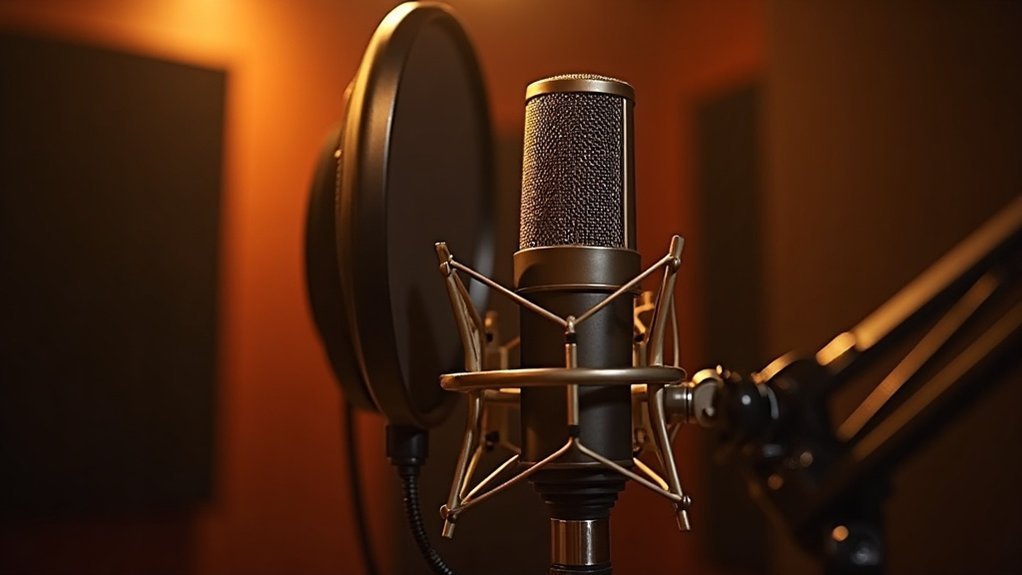
In contrast, condenser microphones offer significant advantages for studio use, providing higher sensitivity and extended frequency response, perfect for capturing detailed vocals and acoustic instruments.
Each type serves unique applications, allowing you to choose the right tool for your specific audio needs.
The Importance of Diaphragm Design in Microphones
Understanding the various types of microphones sets the stage for appreciating the importance of diaphragm design in microphones**. The materials and geometry of the diaphragm critically influence sensitivity** and motion, directly affecting performance.
A larger diaphragm captures more sound energy, enhancing sensitivity, while smaller diaphragms excel in dynamic range and high SPL handling. The mass and stiffness of the diaphragm dictate its behavior under rapid pressure changes, impacting transient response and frequency fidelity.
Additionally, a 404-Error can occur if the microphone’s setup is improperly configured, leading to issues with connectivity. Larger diaphragms typically exhibit reduced self-noise, making them suitable for quieter environments. The diaphragm’s movement is essential in converting sound waves into electrical signals, which further underscores its critical role.
By optimizing diaphragm size and design, you achieve a balance of sensitivity, noise, and tonal character, ensuring your microphone delivers accurate and rich audio reproduction tailored to your specific needs.
Recognizing the significance of diaphragm design in microphones will help creators, gamers, and musicians select the right equipment for their podcasting, streaming, or recording endeavors.
Processing the Microphone Signal
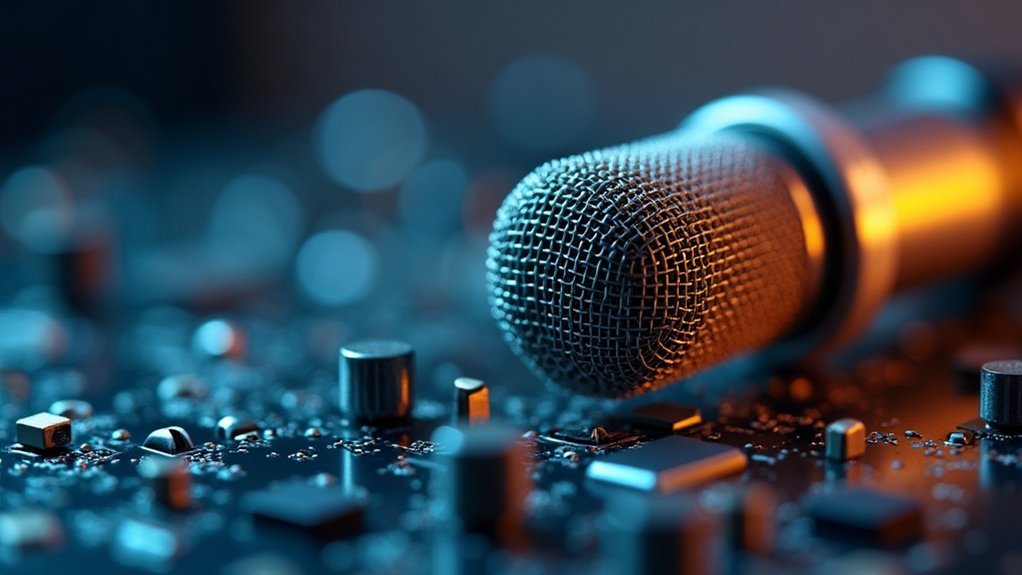
Key steps include:
- Signal amplification to boost levels for usability. A crucial component of this process is the preamplifier stage, which enhances the microphone’s weak signal to line level.
- Digital conversion to transform analog signals into PCM, enabling advanced processing.
- Noise reduction algorithms to eliminate background disturbances and enhance clarity.
- Automatic control mechanisms like AGC to maintain consistent output levels.
Additionally, microphone arrays facilitate spatial processing to focus on desired sounds while minimizing interference. This approach exploits spatial diversity between the target and noise sources, enhancing the overall audio quality. Incorporating techniques like multi-channel dereverberation can further improve audio clarity by reducing the effects of unwanted reflections and noise.
Each stage ensures that the final audio output is clear, balanced, and professional, making your recordings sound their best. Understanding how to effectively process the microphone signal is crucial for creators, musicians, and professionals aiming for high-quality audio in their projects.
Choosing the Right Microphone for Your Needs?
Selecting the right microphone for your needs involves aligning your audio requirements with the microphone’s specifications to achieve the best possible results. Understanding frequency response is essential, as it directly affects how well a microphone captures different sound frequencies.
Consider your primary recording task—whether it’s vocals, podcasts, or live sound. For vocal clarity in treated spaces, a condenser mic excels, while dynamic options provide noise reduction in louder environments. Additionally, dual connectivity mics can offer flexibility for both USB and XLR connections, catering to different setups.
When choosing the right microphone for your needs, pay attention to polar patterns; cardioid mics are particularly effective at rejecting background noise, making them essential for focused recordings. Additionally, room treatment can significantly enhance the performance of even budget-friendly microphones.
Budget and connection type also play a crucial role in this decision. USB microphones offer simplicity and ease of use, making them ideal for beginners, while XLR microphones provide expandability for those looking to enhance their setup over time.
Ultimately, finding the best microphone for your unique situation minimizes trade-offs and ensures you capture the highest quality sound possible.