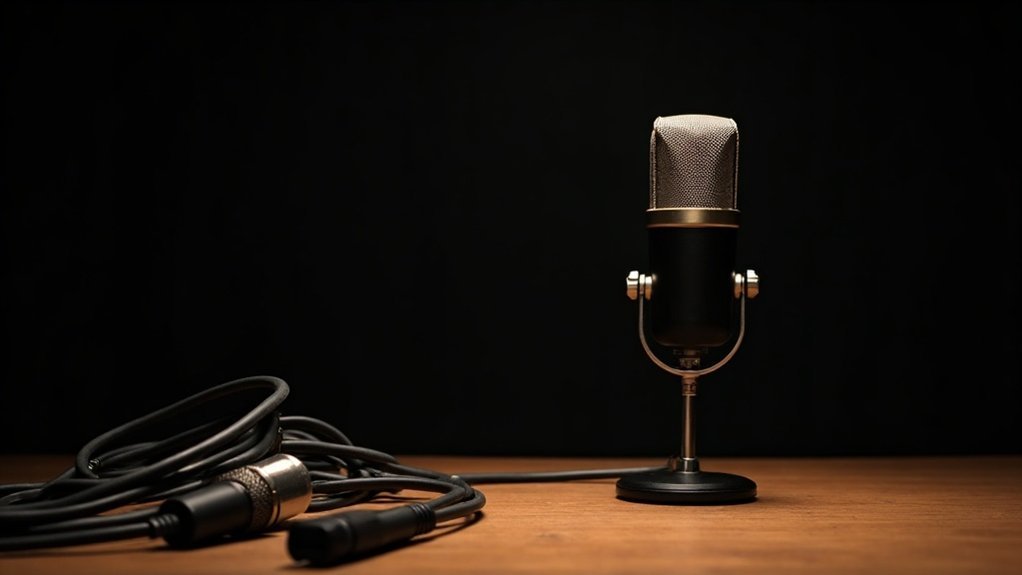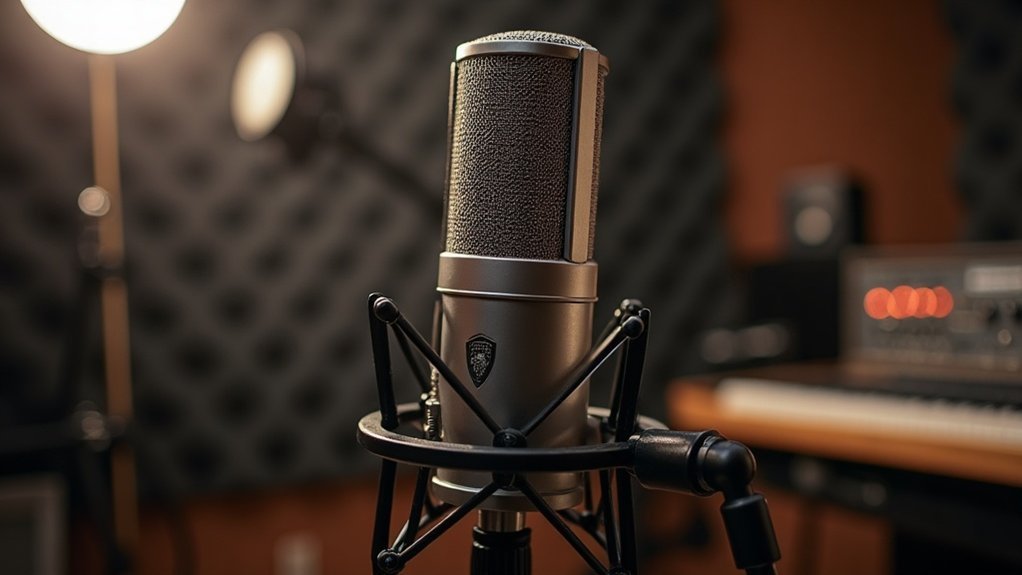

A ribbon microphone uses a thin conductive ribbon suspended in a magnetic field to capture sound, making it an excellent choice for various recording applications. This design generates electrical signals through electromagnetic induction, resulting in rich, warm tones that many creators and musicians seek. Notably, a ribbon microphone features a bidirectional polar pattern, allowing it to pick up sound from both front and rear, which minimizes lateral noise and enhances clarity. With its unique tonal qualities, you can achieve a smooth and nuanced recording experience that elevates your podcasting, streaming, or gaming content. Dive deeper to explore the applications of ribbon microphones and discover essential maintenance tips to keep your gear in top shape.
Key Takeaways
- A ribbon microphone uses a thin conductive ribbon in a magnetic field to generate electrical signals through electromagnetic induction.
- It has a bidirectional polar pattern, capturing sound from both front and rear while rejecting lateral noise.
- Known for its warm and smooth tonal qualities, it emphasizes low-mids and minimizes harsh vocal frequencies.
- Ideal for recording vocals, acoustic instruments, and brass, it provides a true-to-life sound with excellent midrange capture.
- Careful maintenance, including proper storage and temperature control, is crucial to prevent damage to its delicate ribbon assembly.
What Is a Ribbon Microphone and How Does It Work?
A ribbon microphone is a sophisticated type of dynamic microphone that utilizes a thin conductive ribbon suspended in a magnetic field to generate electrical signals through electromagnetic induction. This innovative design, often made from ultra-thin aluminum or duralumin, serves as both diaphragm and conductor.
When sound waves hit the ribbon, it vibrates, inducing a voltage that mirrors the acoustic waveform. This bidirectional microphone captures sound from both front and rear, maximizing audio fidelity. The vintage sound quality of ribbon microphones adds to their appeal, especially for recording acoustic instruments and vocals. Additionally, their frequency response ranges from 40 Hz to 14,000 Hz, making them versatile for various audio applications. Ribbon microphones are also known for their natural sound reproduction, which enhances the listening experience.
The unique pressure-gradient response of ribbon microphones, combined with their lightweight construction, enhances their usability, making them a favored choice for professional studios and audio enthusiasts alike.
Understanding what a ribbon microphone is and how it works can help creators, musicians, and gamers select the right tools for their podcasting, streaming, and recording needs.
Whether you’re looking to elevate your audio quality or simply explore different microphone types, the ribbon microphone stands out as a remarkable option in the realm of audio equipment.
Key Sound Characteristics of Ribbon Microphones
Ribbon microphones exhibit several distinct sound characteristics that set them apart from other microphone types. These unique features make ribbon microphones particularly appealing for creators, gamers, musicians, and professionals seeking to enhance their audio quality.
You’ll appreciate their warm, smooth tonalities, emphasizing low-mids for a full-bodied sound. The gradual high-frequency roll-off reduces harshness, yielding a silky top end that complements various recording scenarios. Additionally, specific preamp matching is crucial for passive ribbon mics to achieve optimal sound quality. Ribbon mics have a bi-directional pick-up pattern, which allows for equal sound capture from both the front and back. Unlike dynamic microphones, ribbon mics do not require external power to function, making them versatile for different setups.
With an extremely low-mass element, ribbon microphones excel in capturing quick transients, offering detailed performance dynamics without distortion. Their extended low-frequency response provides tight bass, while the pronounced proximity effect enhances warmth, making them a top choice for nuanced studio work.
Overall, the dynamics of ribbon microphones deliver a natural, un-hyped midrange, ensuring your recordings remain rich and inviting without unnecessary coloration.
For podcasting, streaming, gaming, and professional recording, understanding the key sound characteristics of ribbon microphones can significantly elevate your audio experience.
Embrace the richness and clarity that ribbon microphones offer, and transform your projects into high-quality productions.
Exploring the Unique Polar Pattern of Ribbon Microphones
Capturing the distinct qualities of ribbon microphones extends beyond their sound characteristics; the unique polar pattern of ribbon microphones plays a significant role in their performance.
Here are some advantages of their figure 8 design:
- Bidirectional Sensitivity: Ribbon microphones capture sound equally from both front and rear, enhancing room ambience and creating a fuller soundscape.
- Side Rejection: With near-complete rejection of lateral noise, these microphones isolate your main source effectively, making them ideal for focused recordings.
- Defined Stereo Field: The unique polar pattern of ribbon microphones is perfect for coincident stereo techniques, minimizing unwanted reflections and ensuring a clear stereo image.
- Pressure Gradient Response: Ribbon microphones respond to particle velocity, which guarantees precise audio capture, enhancing the listening experience. Additionally, the large and mellow ribbon sound quality contributes to the rich tonal character of recordings. The Rode NTR Ribbon Microphone’s custom-designed transformer and active electronics further amplify its performance capabilities.
These features make ribbon microphones a powerful choice for any recording environment, fostering a rich auditory experience that showcases the unique polar pattern of ribbon microphones.
Whether you’re a creator, gamer, or musician, understanding this polar pattern can help you make informed choices for podcasting, streaming, and recording.
The History of Ribbon Microphones in Audio Recording

The history of ribbon microphones in audio recording often gets eclipsed by modern microphone technologies, yet it reveals a captivating evolution that has significantly influenced audio production. Early innovations in the 1920s by Schottky and Gerlach laid a crucial foundation for ribbon technology. The first commercial models, such as the RCA Photophone Type PB-31, surfaced in the 1930s, quickly establishing a reputation for their warm and detailed sound, a hallmark of the history of ribbon microphones in audio recording. By the mid-20th century, these microphones dominated both broadcasting and music recording. However, their prominence waned with the advent of condenser microphones, marking a decline in ribbon’s popularity. Despite this, a vintage revival in the late 1990s reignited interest in the history of ribbon microphones in audio recording, leading to modern designs that showcased innovative advancements in ribbon technology. This resurgence was partly fueled by the introduction of Roswellite® material, a durable nano-enabled innovation that enhanced the resilience of ribbon microphones. Additionally, the harshness of modern condenser microphones prompted engineers to rediscover the warmth of vintage ribbon options.
| Era | Key Development | Impact |
|---|---|---|
| 1920s | Early research by Schottky & Gerlach | Foundation for ribbon tech |
| 1930s | RCA PB-31 and RCA 44A | Iconic early models |
| 1960s | Shift to condenser microphones | Decline of ribbon popularity |
As we explore the history of ribbon microphones in audio recording, it becomes clear that their legacy continues to inspire creators, musicians, and audio professionals today.
Common Applications for Ribbon Microphones in Music Production
When you explore common applications for ribbon microphones in music production, you’ll discover that these mics are treasured for their distinctive tonal qualities across a variety of recording scenarios.
Here are some popular uses:
- Vocals and Spoken Word: Ribbon microphones deliver vocal warmth, effectively reducing sibilance, making them particularly suited for genres like jazz and blues.
- Guitar Recording: In the realm of music production, ribbon mics excel at capturing electric guitar midrange while softening any harsh tones.
- Brass Clarity: These microphones are ideal for brass and woodwinds; they unveil tonal detail without introducing harshness, a significant advantage in many musical contexts.
- Drum Overheads and Room Ambience: The figure-8 pattern of ribbon microphones is perfect for capturing cohesive drum kits and natural room ambience, enhancing the acoustic dynamics and ensemble blending in music production.
How to Care for Your Ribbon Microphone?
To guarantee your ribbon microphone lasts, follow proper storage techniques and handling tips.
Always keep it covered and upright when not in use, and avoid any sudden movements during setup.
Treat the microphone carefully, as its delicate ribbon assembly is prone to damage from impacts and air blasts.
Proper Storage Techniques
Proper Storage Techniques
Proper storage techniques for your ribbon microphone are essential for preserving its longevity and performance. By following these guidelines, you can ensure ideal care for your microphone:
- Maintain a stable storage environment: Keep temperatures between 59–77 °F (15–25 °C) and humidity at 35–45%. This stable environment is crucial for the proper storage techniques that protect your mic.
- Use proper orientation techniques: Store microphones upright to prevent sagging; avoid horizontal placement. Following these proper storage techniques will help maintain the integrity of your ribbon microphone.
- Implement dust protection: Cover your mic with a sock or bag when not in use. Utilizing dust protection is one of the key proper storage techniques that will keep your equipment in top shape.
- Control moisture and magnetic hazards: Use desiccants in humid areas and store away from strong magnets. This is another aspect of proper storage techniques that helps safeguard your microphone from potential damage.
Handling and Usage Tips
Handling and Usage Tips for Ribbon Microphones
Handling and using your ribbon microphone with care is essential for maintaining its delicate components and ensuring peak performance. When it comes to ribbon microphone handling and usage, always avoid phantom power with passive models, especially during hot patching.
To control air pressure, consider using pop filters and positioning the mic off-axis to minimize direct blasts, which can damage the ribbon.
Protecting against shock, vibration, dirt, and moisture is crucial for preserving microphone safety. Store your mic upright and covered to prevent ribbon sag and exposure to the elements.
Always follow manufacturer guidelines for maintenance to avoid voiding warranties. Remember, proper handling and usage of your ribbon microphone enhances longevity and sound quality, making your investment worthwhile.