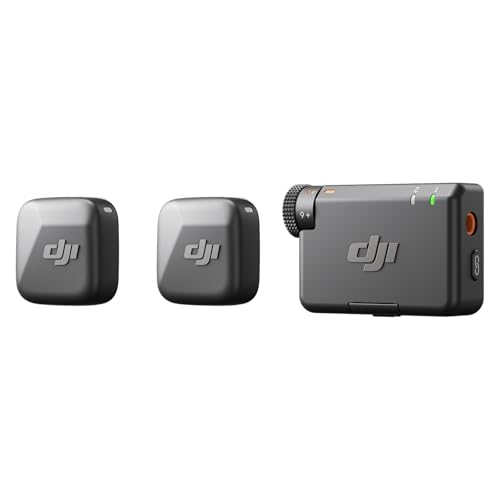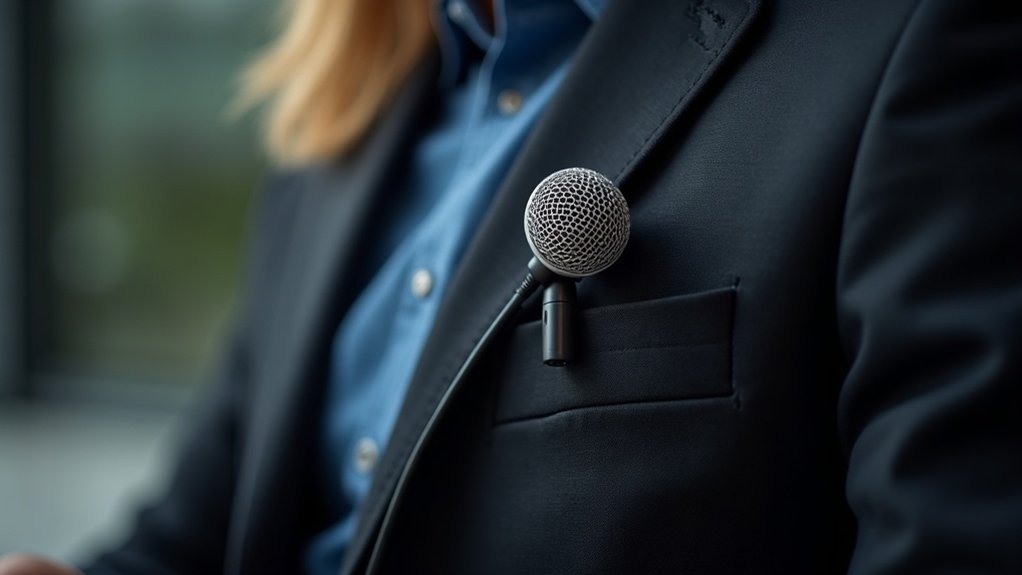

A Bluetooth microphone is a wireless device that captures audio and transmits it to your smartphone, tablet, or camera using Bluetooth technology. This technology allows the Bluetooth microphone to convert sound into a digital signal, offering convenience and portability for various applications such as vlogging, streaming, and remote meetings. While Bluetooth microphones provide flexibility, users should be aware that they may encounter issues with audio quality and latency compared to traditional wired systems. By understanding the advantages and limitations of Bluetooth microphones, you can make an informed decision when selecting the right microphone for your creative or professional needs.
Key Takeaways
- A Bluetooth microphone is a wireless device that captures audio and transmits it to smartphones, tablets, or cameras using Bluetooth technology.
- It features various types, including handheld, lavalier, headset, and desktop microphones, catering to different user needs.
- Key advantages include wireless convenience, user-friendly design, portability, and decent audio quality with advanced noise reduction.
- Limitations include lower audio fidelity compared to wired mics, potential latency issues, and compatibility restrictions with devices.
- Applications range from vlogging and education to remote meetings and live performances, making it versatile for casual audio capture.
What Is a Bluetooth Microphone and How Does It Work?
A Bluetooth microphone is a wireless audio capture device that utilizes Bluetooth technology to transmit sound to various receivers like smartphones, tablets, or cameras. Understanding what a Bluetooth microphone is and how it works can enhance your audio experience significantly.
A Bluetooth microphone offers wireless audio capture, enhancing your sound experience with seamless connectivity to smartphones, tablets, and cameras.
This device integrates various microphone types, digital processors, and Bluetooth radios into a single unit, providing the convenience of wireless operation for creators, gamers, and professionals alike. The Bluetooth microphone converts sound into an analog signal, which is then processed using audio codecs such as SBC or AAC for optimized sound transmission. Pairing methods involve securing connections with compatible devices, ensuring smooth operation for mobile content creation. Additionally, long battery life guarantees portable functionality, allowing you to take your Bluetooth microphone on the go. With advanced signal processing, you’ll enjoy superior voice clarity, making it an ideal choice for podcasting, streaming, and recording. Bluetooth microphones follow a three-step sequence: capture, digitize, transmit to ensure high-quality sound delivery. Understanding how a Bluetooth microphone works can help you make informed decisions about your audio equipment needs. Furthermore, it is crucial to recognize that Bluetooth technology is essential for enabling seamless audio transmission.
Key Advantages of Bluetooth Microphones
Bluetooth microphones offer numerous advantages that enhance audio capture and usability across various contexts. Among the key advantages of Bluetooth microphones is their wireless convenience, allowing you to move freely within a typical range while maintaining excellent audio clarity. Their user-friendly design ensures quick setup, making them accessible for everyday use, whether you’re a podcaster, streamer, or musician. You’ll also appreciate the travel-friendly options available, as these compact solutions fit easily in bags or pockets, making them ideal for on-the-go content creation. These Bluetooth microphones provide audio flexibility for a variety of applications, from casual calls to spontaneous recordings, all without the clutter of cables. With studio-grade clarity in mind, embrace the streamlined experience that the key advantages of Bluetooth microphones bring to your communication and content creation endeavors, and discover how they can elevate your projects. Furthermore, many models now utilize Bluetooth 5 protocols for reliable, low-latency connections that enhance your recording experience.
Practical Applications of Bluetooth Microphones
While exploring the practical applications of Bluetooth microphones, you’ll discover that they significantly enhance various audio capture scenarios.
In vlogging and mobile journalism, their wireless operation allows for seamless movement during shoots, making them indispensable for creators on the go. This convenience is amplified by their long battery life, which ensures extended use during shoots without interruptions. Bluetooth microphones transmit audio signals over a 2.4 GHz frequency, further enhancing their reliability and performance in dynamic environments. Additionally, they are designed to minimize signal interference, which is crucial for maintaining sound quality in busy settings.
For educators, Bluetooth microphones empower instructors to engage students without being tethered, ensuring clarity in large classrooms.
During remote meetings, these devices improve speech isolation, resulting in more effective communication.
In live performances, Bluetooth mics facilitate easy setup for karaoke or concerts, proving their versatility in entertainment settings.
Additionally, they’re perfect for casual recording, offering quick pairing with devices for effortless use.
What Are the Limitations of Bluetooth Microphones?

Despite their convenience, the limitations of Bluetooth microphones**** come with several notable drawbacks that impact audio performance and usability.
You’ll encounter Bluetooth audio challenges, such as codec limitations that constrain fidelity due to lossy compression. Typical microphone compatibility issues restrict sampling rates to 8–16 kHz, resulting in significant recording quality trade-offs. Additionally, Bluetooth microphones’ compatibility issues arise from the lack of guaranteed codec usage, even when both devices support it. Furthermore, many Bluetooth mics suffer from audio quality that can be inferior compared to wired or high-end wireless mics.
Additionally, streaming performance concerns arise from latency, which can disrupt real-time applications, making these devices less ideal for professional use.
Connection reliability factors further complicate the situation, with effective ranges limited to 5–10 meters and potential interference from other devices.
Types of Bluetooth Microphones: Which One Is Right for You?
Are you wondering which type of microphone best suits your needs? When exploring types of Bluetooth microphones, handheld microphones are great for casual use and quick vocal capture.
If you need discreet audio for interviews, consider lavalier microphones. For consistent audio during calls or meetings, headset microphones offer stability and comfort. If your focus is on stationary setups, desktop microphones provide excellent noise cancellation. It’s also essential to think about polar patterns: cardioid is ideal for noisy environments, while omnidirectional microphones capture sound from all directions. Additionally, operating range can significantly influence your choice, as some models allow for greater mobility than others. For instance, many Bluetooth microphones operate within a typical range of 20 to 50 feet, making them versatile for various recording situations.
Ultimately, your choice among the various types of Bluetooth microphones will depend on your audio architecture needs—whether for mobile recording or performance recording, there’s a Bluetooth microphone tailored for you.
Step-by-Step Guide to Pairing Your Bluetooth Microphone
Pairing your Bluetooth microphone involves a series of straightforward steps that confirm peak functionality, ensuring you get the best audio experience for podcasting, streaming, or recording.
First, check the microphone’s battery and make sure it’s within 1 meter of your device. Activate pairing mode by holding the power button until the LED blinks.
On your device, open Bluetooth settings, switch Bluetooth on, and scan for new devices. Select your microphone’s name and enter the pairing code, often 0000 or 1234.
After connecting, verify that the audio input source is set to your Bluetooth microphone for optimal performance.
If issues arise while pairing your Bluetooth microphone, use troubleshooting techniques such as resetting the microphone or consulting the manual for additional pairing tips.
Key Features of Bluetooth Microphones
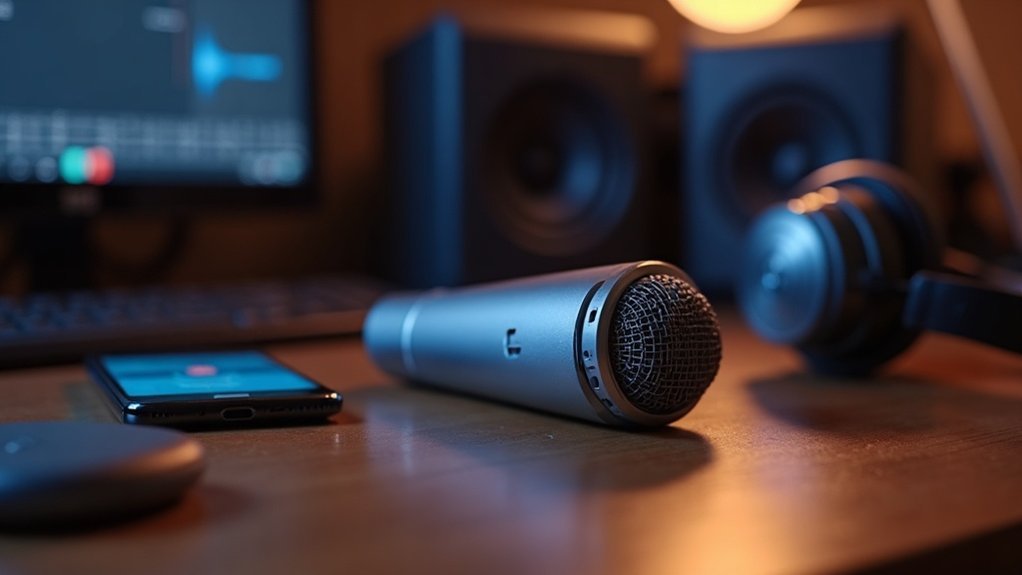
Bluetooth microphones offer several key features that significantly enhance usability and audio quality, making them ideal for creators, gamers, musicians, and professionals alike. Understanding these elements is crucial when selecting the right Bluetooth microphone for your specific needs.
| Feature | Details |
|---|---|
| Audio Quality | Built-in digitization and advanced noise reduction ensure clear sound. |
| Latency | Ranges from 120–350 ms with codecs like aptX, providing reliable performance for real-time applications. |
| Battery Life | Lasts between 4–14 hours, depending on the model, allowing for extended use during podcasting or streaming sessions. |
| Device Compatibility | Easily pairs with various devices, making it versatile for different setups. |
| Portability | Compact design enables hassle-free transport, perfect for on-the-go recording. |
These features of Bluetooth microphones are tailored to current market trends, helping you find a microphone that integrates smoothly into your audio setup while delivering exceptional performance.
Comparing Bluetooth Microphones to Traditional Wireless Systems
When comparing Bluetooth microphones to traditional wireless systems, you’ll notice key differences in range, audio quality, and latency.
Bluetooth offers a compact and user-friendly setup, but it typically falls short in distance and real-time performance.
In contrast, traditional systems excel in audio fidelity and minimal latency, making them ideal for professional applications.
Range and Connectivity Differences
While both Bluetooth microphones and traditional RF wireless systems serve the purpose of delivering audio without physical connections, they differ considerably in range and connectivity differences.
- Bluetooth microphones typically operate within 10–33 ft, facing significant range limitations indoors, making them less suitable for expansive setups.
- In contrast, RF systems excel with impressive ranges of 100–300+ ft, making them ideal for large venues and ensuring seamless audio transmission over greater distances.
- Additionally, connectivity challenges arise with Bluetooth’s single-host pairing, while RF systems support multiple devices effortlessly, enhancing versatility in various audio applications.
Understanding the range and connectivity differences between these systems is essential for creators, gamers, musicians, and professionals looking to maximize their audio experience.
Audio Quality Considerations
Audio quality plays a critical role in the effectiveness of any microphone system, especially when comparing Bluetooth microphones to traditional wireless systems. When discussing audio quality considerations, it’s important to note that Bluetooth mics often suffer from limited codec choices and compression effects, leading to clarity loss and reduced dynamic range. Here’s a comparison:
| Feature | Bluetooth Microphones | Traditional Wireless Systems |
|---|---|---|
| Frequency Response | Narrow-band (4 kHz) | Full-range (20 Hz – 20 kHz) |
| Dynamic Range | Compressed, flat sound | Natural dynamics |
| Noise Management | Higher noise floor | Low-noise preamps |
Ultimately, traditional systems provide superior audio fidelity and transmission quality, preserving more detail and nuance. In the context of audio quality considerations, these factors are vital for creators, gamers, musicians, and professionals who rely on high-quality sound for podcasting, streaming, gaming, and recording. Additionally, choosing between USB and XLR microphones can also influence your overall audio quality experience.
Latency and Performance Impact
Bluetooth microphones often struggle with latency and performance impact issues that can considerably affect their usability, especially when compared to traditional wireless systems.
- Typical Bluetooth mic latency ranges from 120–250 ms, while high-end RF systems operate at a remarkable 2–5 ms.
- Codec effects can further exacerbate latency, impacting the overall performance of Bluetooth microphones in live scenarios.
- Timing issues can lead to noticeable degradation in user experience, particularly regarding video synchronization and monitoring.
These latency and performance impact factors pose significant challenges, making Bluetooth mics less ideal for time-sensitive applications like podcasting and live streaming.
Understanding these real-world implications is crucial in navigating the best audio solutions for your specific needs, ensuring you select the right microphone for your creative endeavors.