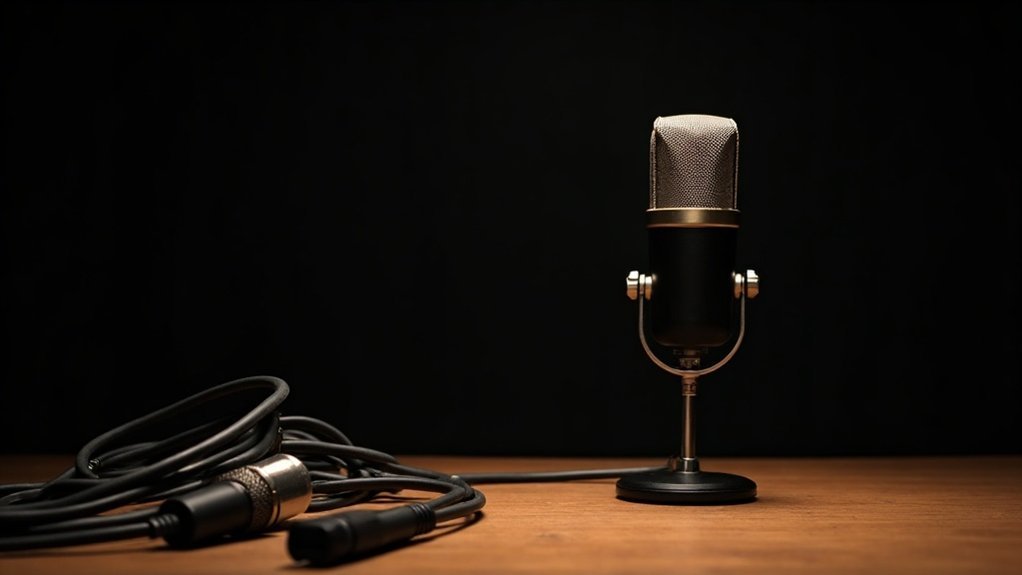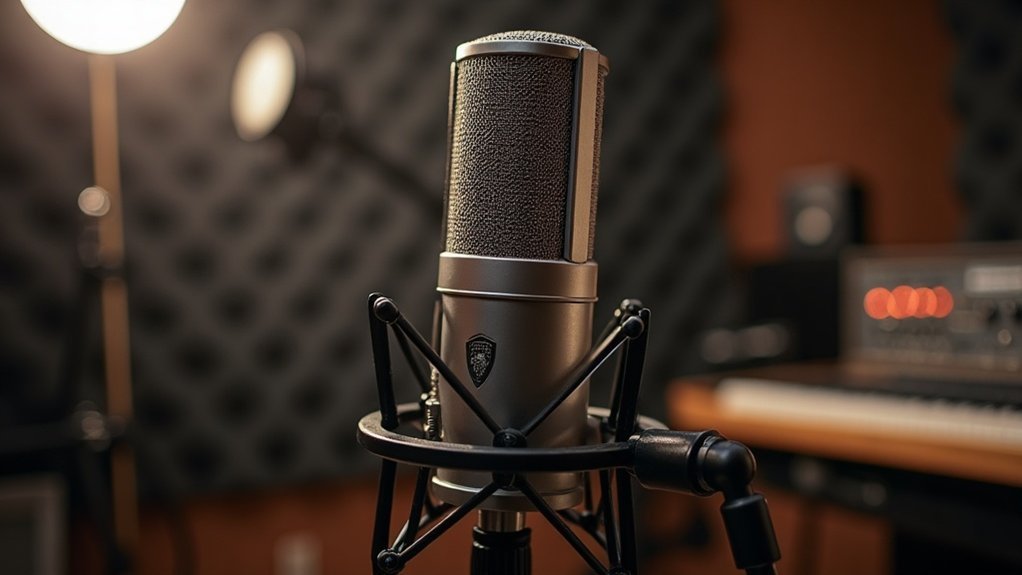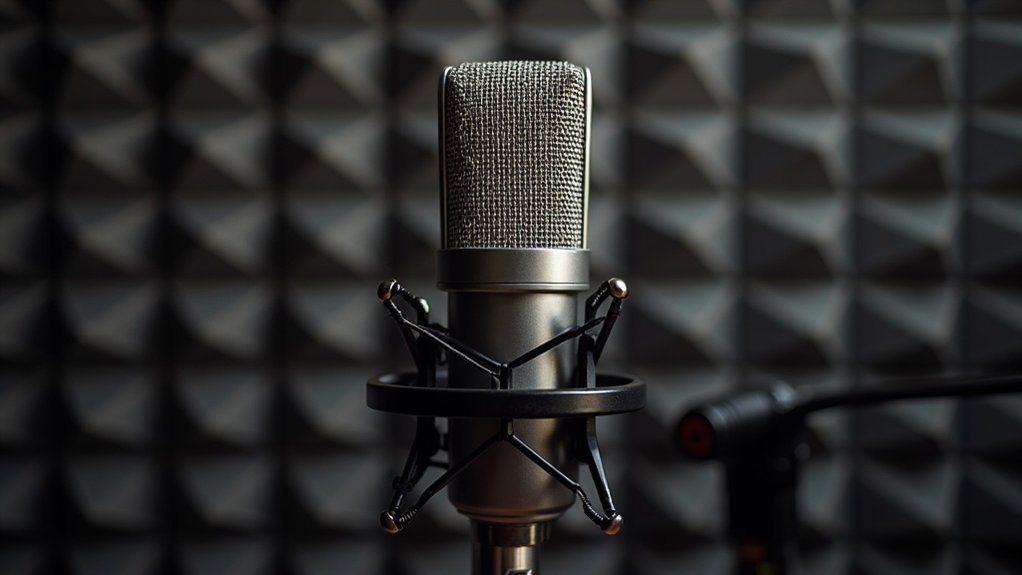

A boundary microphone is a low-profile audio device that captures sound by leveraging the boundary effect on flat surfaces. As an essential tool for creators, gamers, musicians, and professionals, this type of microphone typically features an omnidirectional or directional pickup pattern, enhancing clarity and reducing phase cancellation. The unique design of a boundary microphone allows for a +6 dB sensitivity increase, resulting in natural ambiance and improved low-frequency response.
To achieve ideal performance, it’s crucial to place boundary microphones strategically in settings like conference rooms or stage performances. Whether you’re podcasting, streaming, or recording music, understanding how to use and maintain these effective microphones can significantly enhance your audio quality. Explore further for tips on selecting the right boundary microphones and maximizing their potential in your creative projects.
Key Takeaways
- Boundary microphones are low-profile audio devices designed to capture sound by mounting on flat surfaces, enhancing sound quality.
- They utilize the boundary effect to boost low frequencies and minimize phase cancellation for clearer audio.
- Variants include omnidirectional for broader coverage and directional types for focused sound capture in specific areas.
- Commonly used in conference rooms and stage performances, they ensure clear audio with minimal visual intrusion.
- Proper placement on hard surfaces and strategic directionality improve speech clarity and overall sound coherence.
What Is a Boundary Microphone and How Does It Work?
A boundary microphone is a specialized audio device designed for ideal sound capture in various environments. Known for its low-profile design, this type of microphone, often a condenser, mounts directly on surfaces like tables or floors. It captures sound effectively by placing the capsule close to a flat surface, aligning direct and reflected sound waves for a coherent output. When considering microphone types for your needs, opt for an omnidirectional boundary microphone for broader coverage or a directional variant for focused sound capture. These microphones are particularly useful due to their ability to minimize comb filtering effects, leading to clearer audio. A noise gate can further enhance your recordings by controlling unwanted noise levels, ensuring a cleaner sound. Installation tips include ensuring the microphone is flush with the surface to minimize visual obstruction and maximize sound stability. This makes boundary microphones perfect for spoken word applications like conferences, performances, and presentations. Understanding how a boundary microphone works can greatly enhance your audio setup, whether you’re podcasting, streaming, or recording music.
Understanding the Boundary Effect and Its Acoustic Advantages
Understanding the boundary effect is essential for maximizing the acoustic performance of boundary microphones. This principle highlights how direct sound interacts with nearby surfaces, creating low-frequency boosts and altering frequency balance. Boundary interactions can be frequency-dependent, influencing not only the clarity of sound but also the overall effectiveness of the microphone in various environments. The sound source directivity increases with frequency, which can further enhance the microphone’s performance in specific setups.
Boundary Effect Explained
Although the boundary effect explained greatly influences acoustic behavior, its practical application in boundary microphones often goes unnoticed. This effect occurs when sound interacts with nearby surfaces, altering pressure and velocity conditions. By positioning the microphone near large flat surfaces, you can harness the boundary effect to reinforce direct sound, especially at low frequencies. The dimensions of these boundaries play an essential role; the closer the microphone is to the surface, the more coherent the pressure field it captures, enhancing the overall impact of the boundary effect on sound quality. This design minimizes phase cancellation and boosts low-frequency response, effectively transforming sound waves from full-space to half-space radiation, which can lead to a 6dB lift in perceived bass levels. Moreover, the influence of boundaries on sound propagation can significantly enhance the clarity and depth of recorded audio. Understanding the noise floor is also crucial, as it helps to gauge the overall recording quality and the effectiveness of the boundary effect in minimizing unwanted background sounds.
Acoustic Benefits Overview
When you explore the acoustic benefits overview of boundary microphones, you’ll find that their design capitalizes on the boundary effect to enhance sound quality considerably.
This acoustic benefits overview highlights that boundary microphone technology offers a +6 dB increase in sensitivity, capturing clearer sound while minimizing feedback risks. The phase-coherent summation of direct and reflected sound creates a reflection-free image, significantly improving clarity and intelligibility. By minimizing the proximity effect and off-axis coloration, these mics maintain a consistent tonal balance across different distances. With low-mass diaphragms, they effectively resist unwanted noise, ensuring a natural room ambiance. Additionally, their hemispherical polar pattern allows for effective sound pickup from multiple directions, making them ideal for conference settings. Furthermore, the incorporation of omnidirectional pickup patterns enables these microphones to capture sound uniformly from all angles, enhancing their versatility in various applications.
Key Benefits of Using Boundary Microphones
Using boundary microphones offers several significant advantages that enhance audio quality in various environments, particularly for creators, gamers, musicians, and professionals.
These specialized microphones minimize destructive phase interference, which improves clarity and intelligibility of sound. With optimal microphone placement, you can achieve up to +6 dB higher sensitivity, effectively capturing quieter sources. The omnidirectional pattern ensures uniform coverage, maintaining consistent tonal balance as speakers move, making boundary microphones ideal for dynamic settings. Additionally, their ability to achieve a 6 dB boost in sensitivity allows for capturing subtle audio nuances often missed by traditional microphones. This is largely due to their design as PZM microphones, which utilize the acoustic properties of surfaces for better sound capture. Furthermore, cardioid and omnidirectional microphones have distinct applications, allowing users to choose the best fit for their needs.
Their flat construction allows for discreet integration into spaces, reducing visibility and physical interference—an essential factor for streaming and podcasting.
Moreover, boundary microphones limit unwanted reflections and feedback, resulting in cleaner audio quality. Overall, these features collectively elevate sound quality, making boundary microphones an outstanding choice for diverse applications, from recording to gaming setups.
Whether you’re looking for the best boundary microphones for your next project or seeking tips on integration, these tools are invaluable for achieving professional-grade sound.
Common Use Cases for Boundary Microphones
Boundary microphones excel in conference room settings, enabling clear audio capture from multiple participants without the clutter of individual mics.
Their strategic placement guarantees even speech pickup, enhancing communication in corporate meetings and hybrid environments.
Additionally, in stage performances, these microphones provide minimal visual intrusion while effectively capturing dialogue and ambient sound, making them essential for both live and recorded productions.
Conference Room Applications
Keeping talkers within three feet ensures intelligible speech, while pressure-zone placement boosts sensitivity by approximately 6 dB. These microphones are particularly beneficial in large spaces with long reverberation times, significantly improving speech intelligibility.
When considering conference room applications, especially for hybrid meetings, these microphones integrate seamlessly, supporting video conferencing without clutter. This fosters a collaborative environment where everyone can effectively contribute, whether they’re in the room or joining remotely. Additionally, boundary microphones are often used in audio capture for video production, ensuring high-quality sound that complements visual media.
Investing in the right microphones for your conference room applications can enhance the overall experience, ensuring that all voices are heard clearly and distinctly.
Stage Performance Utilization
While capturing clear audio is essential in stage performances, boundary microphones excel in various applications that enhance both dialogue and ensemble sound.
These microphones are a game-changer for stage performance utilization, being strategically placed at the footlights or stage edges to ensure effective dialogue pickup while remaining unobtrusive. This thoughtful placement supports ensemble reinforcement, allowing multiple voices to blend seamlessly across a wide area.
Their low-profile design facilitates movement capture, preserving theatre ambience without visual distraction. By reinforcing quiet lines and ambient sounds, boundary mics contribute to a richer performance texture, making them indispensable for productions that prioritize clarity and a clean stage picture.
In the realm of stage performance utilization, the versatility of boundary microphones truly stands out, enhancing the overall auditory experience for both performers and audiences alike.
How to Position a Boundary Microphone for Best Results?
To achieve ideal performance from a boundary microphone for best results, position it on a large, hard, flat surface—such as wood or finished concrete—to enhance clarity and boundary effect.
Here are some essential guidelines for optimal microphone placement:
- Ensure the microphone is flush and unobstructed for maximum efficiency.
- Maintain a distance of 24–36 inches between participants for natural speech capture.
- Utilize low-profile mounting hardware to preserve pressure zone performance.
- Direct the microphone towards the primary talker to ensure consistent tone.
Additionally, understanding omnidirectional microphones can help in selecting the right microphone for various applications.
How to Choose a Boundary Microphone?

Choosing a boundary microphone can greatly impact your audio quality, so how do you choose a boundary microphone that truly meets your needs?
First, consider the use case: omnidirectional types work well in conference rooms, while cardioid models excel at focused applications like lectures.
Consider your environment: omnidirectional microphones suit conference rooms, while cardioid models are ideal for focused lectures.
Assess the polar pattern to secure ideal coverage, particularly in larger spaces. Understanding polar patterns can help you select the right microphone for your specific environment.
Check the microphone’s specifications, like frequency response and sensitivity, to maintain sound quality.
Also, factor in power requirements and connectivity options, ensuring compatibility with your existing setup.
What to Watch Out for With Boundary Microphones
When using boundary microphones, it’s crucial to be mindful of several factors to ensure optimal performance. Effective feedback management and proper placement strategies are essential to avoid common pitfalls associated with boundary microphone use:
- The high omnidirectional pickup of boundary microphones increases the risk of feedback in loud environments.
- Positioning boundary microphones near loudspeakers can create echo and feedback issues that compromise audio quality.
- Small, reflective surfaces can degrade sound quality and intelligibility when using boundary microphones.
- Having multiple microphones in close proximity can lead to comb filtering, which affects the overall sound experience.
Additionally, understanding background noise is vital as it can significantly impact the clarity and quality of recordings made with boundary microphones.
Tips for Maintaining Your Boundary Microphone
Maintaining your boundary microphone is essential for ensuring peak performance and longevity. To achieve the best results, regularly clean the microphone using a dry microfiber cloth to prevent dust buildup that affects sensitivity.
Regularly clean your boundary microphone with a dry microfiber cloth to prevent dust buildup and ensure optimal performance.
Additionally, brush around the grille with a soft-bristled brush, and for stubborn grime, use a slightly damp cloth with mild soap. Regularly cleaning your microphone is vital because dust buildup can significantly impact sound quality.
When considering tips for maintaining your boundary microphone, remember to store it in a cool, dry place, ideally with silica gel packs to combat humidity.
Handle your microphone gently and mount it on stable surfaces to avoid unwanted vibrations that could disrupt sound quality.
Regularly inspect cables and connectors for wear, as this is crucial for maintaining optimal functionality.