Can You Use a Dynamic Microphone for Singing
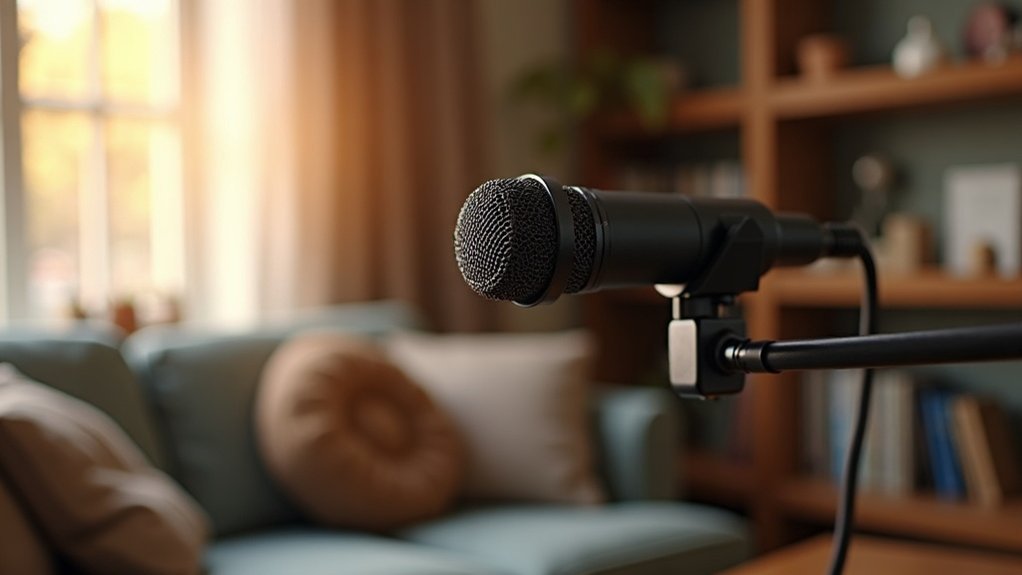
You can absolutely use a dynamic microphone for singing—they’re the industry standard for live performance because they’re built tough and handle high sound pressure levels without distortion. Whether you’re exploring whether dynamic microphones work for singing or investigating if you can use a dynamic mic for vocal recording, the answer remains a resounding yes.
Dynamic microphones for singing deliver excellent feedback rejection and effective noise isolation on stage, plus you won’t need phantom power. This makes them particularly valuable for performers who want to use dynamic microphones for singing without investing in additional power supplies. While they won’t capture the microdetail that condensers offer, dynamics excel in untreated spaces and aggressive vocal styles, making them ideal when you’re learning how to use a dynamic microphone for singing in less-than-ideal recording environments.
For live vocalists and streamers, using a dynamic microphone for singing provides the durability and stage presence needed for professional results. If you’re wondering whether you should use a dynamic microphone for singing in your home studio or live setup, consider that these mics prioritize clarity in high-output situations while maintaining reliability. Discover which specific features you’ll want to prioritize for your singing setup, from proximity effect control to frequency response patterns that flatter your vocal range.
Key Takeaways
- Dynamic microphones are industry standard for live vocal performances, offering reliability and durability without requiring phantom power.
- They excel at rejecting feedback and ambient noise while handling powerful vocal delivery without distortion in high-SPL environments.
- Dynamic mics provide controlled isolation and reduce sibilance effectively, making them suitable for untreated recording spaces and rough handling.
- They capture vocal projection well but lack detailed highs and microdetail compared to condensers in controlled studio environments.
- Dynamic mics work well for streaming, gaming, and podcasting, though condenser mics typically capture more subtle vocal nuances.
Do Dynamic Mics Work for Singing?
Yes, dynamic mics work exceptionally well for singing, particularly in live performance and high-SPL environments where durability and noise rejection matter most. You’ll find they’re industry standard for vocalists who demand reliability on stage. When asking “do dynamic mics work for singing,” the answer is a resounding yes for most live applications.
Dynamic microphones excel at handling powerful vocal delivery without distortion, rejecting unwanted stage noise through cardioid patterns, and requiring no phantom power setup. They’re built tough for touring and rough handling. Modern dynamic microphones like the Shure Beta 58A feature supercardioid patterns that provide maximum feedback rejection while isolating vocals from background noise. The moving coil mechanism inside dynamic mics enables them to capture vocal performances with natural warmth and presence. Dynamic microphones are commonly used in podcasting and live settings where their durability and noise rejection capabilities prove invaluable.
For creators and musicians working within budget constraints, dynamic mics for singing represent an affordable yet professional-grade solution that delivers results without breaking the bank.
Whether you’re a touring vocalist or streaming performer, understanding how dynamic mics work for singing helps you make informed decisions about your setup. These microphones work for singing across multiple scenarios—from intimate bedroom recordings to large venue performances.
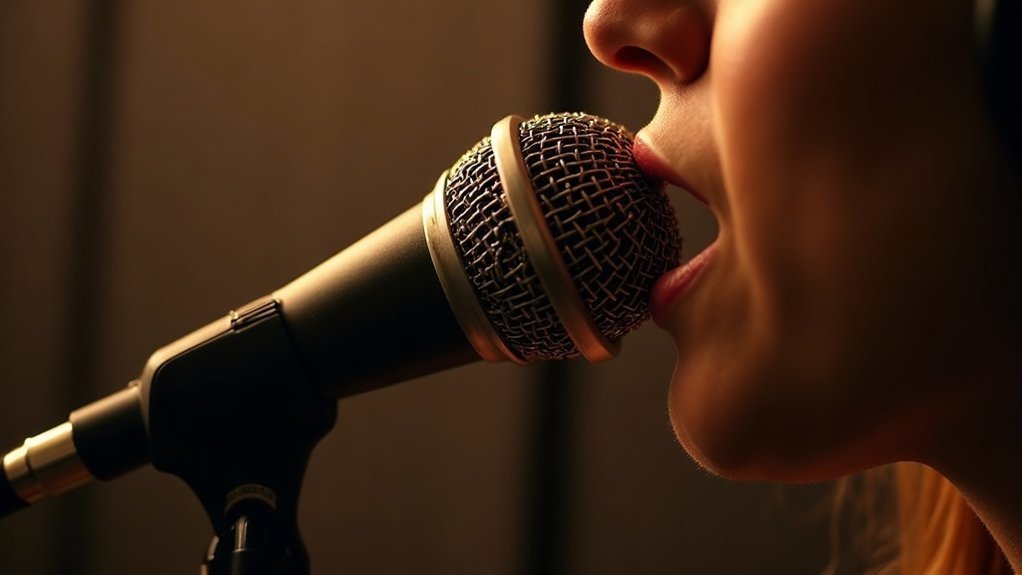
While you’ll need proper microphone technique and close positioning for ideal vocal clarity, dynamic microphones deliver the practical performance advantages that touring singers, streamers, and live venues depend on consistently. Their reliability and affordability make them an essential tool for any serious vocalist looking to get the most out of their recording or performance setup.
Dynamic vs. Condenser: Which Suits Your Vocals?
When you’re deciding between dynamic vs. condenser microphones for vocals, you’re fundamentally choosing between two fundamentally different capture philosophies.
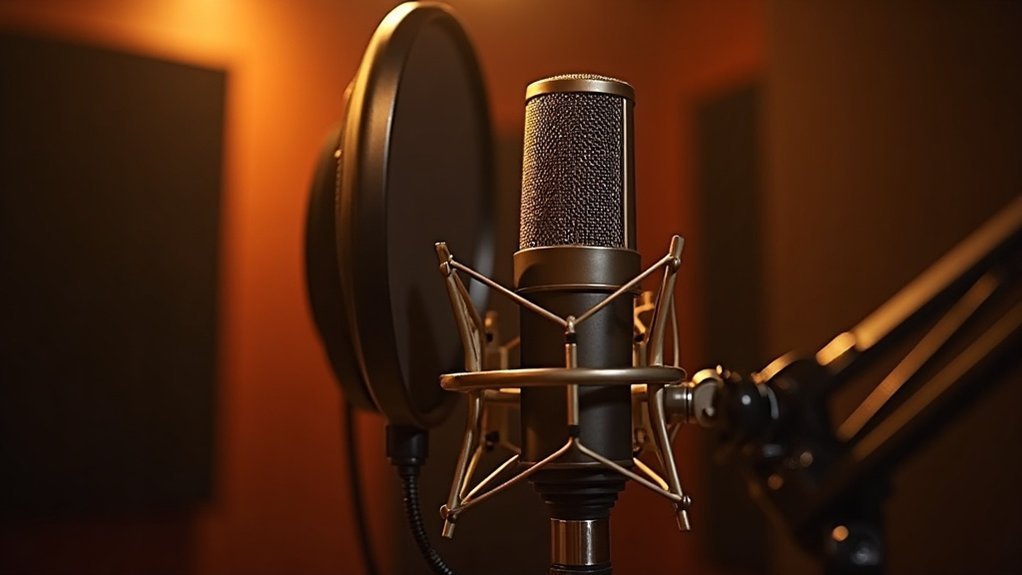
Condenser microphones deliver superior vocal clarity and extended frequency response, capturing nuanced detail that flatters studio recordings. They’re sensitive performers that require phantom power and excel in treated spaces.
Dynamics offer controlled isolation and warmth, reducing sibilance and room noise—ideal when your space isn’t acoustically treated. Many professional vocal recordings have been successfully captured using dynamic microphones, even in studio environments where condensers are traditionally expected. Dynamic microphones excel in noisy environments where room noise minimization is essential. The diaphragm design of dynamic microphones allows them to handle high sound pressure levels without distortion.
Understanding which suits your vocals comes down to your specific environment and priorities. Choose condensers for pristine studio vocals where detail matters and you’re recording in an acoustically treated space.
Opt for dynamics for practical flexibility and natural-sounding capture that forgives imperfect rooms and aggressive vocal techniques. If you’re streaming, podcasting, or recording in a non-ideal environment, dynamics often prove more forgiving.
For creators and musicians working in professional studios, the dynamic vs. condenser decision typically favors condensers, though your room treatment and microphone technique should influence this choice.
Gamers and streamers often find dynamics suit their needs better due to their superior noise rejection and durability.
Ultimately, whether you choose dynamic or condenser depends on balancing your recording space quality, budget, and the specific vocal characteristics you want to capture.
Where Dynamic Mics Excel (and Where They Don’t)
Dynamic microphones shine brightest in live performance and untreated spaces—two scenarios where their natural strengths become your technical advantage. Understanding where dynamic mics excel and where they don’t is crucial for choosing the right affordable microphone for your streaming, podcasting, or live performance setup.
You’ll appreciate their feedback rejection when managing monitors and PA systems, plus their durability during touring. Their lower sensitivity captures your vocal projection while rejecting ambient noise and room reflections, giving you sound isolation without acoustic treatment. This is precisely where dynamic microphones excel—in real-world environments where condensers would struggle. Dynamic microphones typically range from approximately €10 to several hundred, making them an accessible option for beginners and professionals alike.
However, they won’t deliver the detailed highs or microdetail you’d find with condensers in treated studios. For aggressive vocal styles and high-pressure situations, dynamics excel, making them ideal for gaming streamers, podcasters in untreated home studios, and musicians performing live. The cardioid pattern of dynamic microphones effectively isolates close sound sources while minimizing side and rear noise. This pickup pattern design allows performers to maintain control over their sound even in challenging acoustic environments.
In controlled recording environments prioritizing clarity and presence, condensers typically outperform them. When evaluating where dynamic mics excel versus condenser alternatives, consider your actual recording environment. If you’re streaming or podcasting from a bedroom without acoustic panels, dynamic microphones excel at rejecting room noise.
If you’re in a professionally treated studio, condensers may be the better investment. The question of where dynamic microphones excel ultimately depends on your specific use case—whether you’re a creator seeking durability and feedback rejection, or a professional requiring pristine studio clarity.
Five Features That Make a Dynamic Mic Vocal-Ready
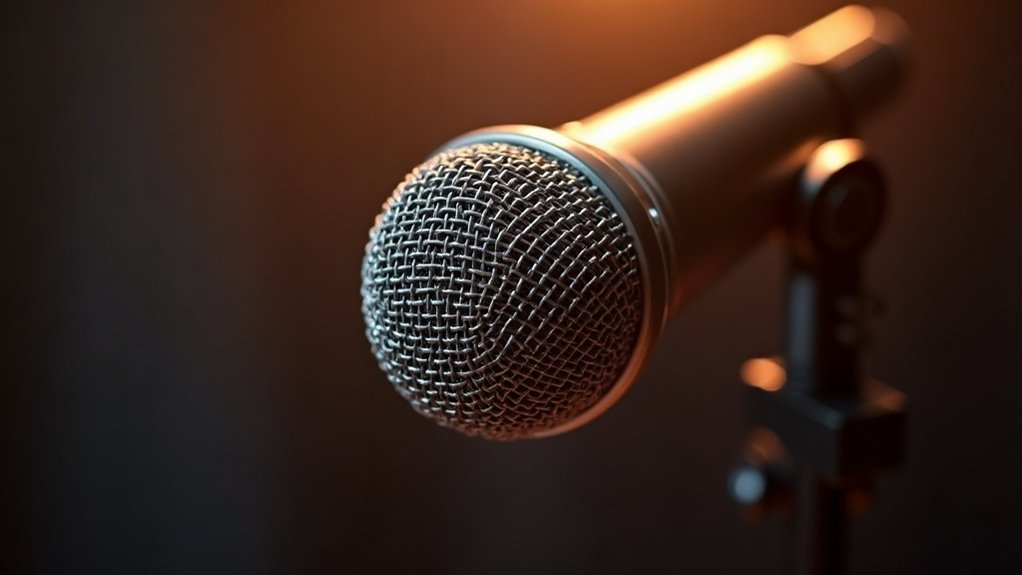
Knowing your mic excels in live and untreated spaces is one thing—but you’ll need the five features that make a dynamic mic vocal-ready to actually capture your voice with clarity and impact.
Look for presence peaks in the 2–8 kHz range that’ll make your vocals cut through; this is one of the core features that make dynamic mics vocal-ready for professional delivery. Neodymium magnet capsules deliver stronger output signals that enhance this presence peak naturally.
Demand 55–60 dB of clean gain from strong output sensitivity.
Verify cardioid or supercardioid directional pickup for room rejection—essential features for any dynamic mic designed to be vocal-ready in less-than-ideal recording spaces. The transformer manages impedance levels to prevent signal degradation in different live environments. Since dynamic microphones utilize electromagnetic principles without external power, they maintain consistent performance across various venues and setups.
Confirm SPL handling above 140 dB so aggressive delivery won’t distort.
Finally, prioritize rugged construction with shock mounting.
When you understand these five features that make a dynamic mic vocal-ready, you’re investing in a mic that’ll survive rehearsals, tours, and countless performances while delivering broadcast-quality vocals every time you step up to perform or record.
Is a Dynamic Mic Right for You? Quick Decision Guide
How do you know if a dynamic mic is right for you? Consider your environment and performance demands. A dynamic mic is right for you if you’re doing live performance work, need vocal isolation from stage bleed, or perform in untreated spaces.
Choose a dynamic mic if feedback control and durability matter most to your setup. You’ll want a dynamic microphone if you lack phantom power access.
However, a dynamic mic mightn’t be right for you if you’re recording in a quiet, treated studio where you need maximum detail and subtle breath texture. If your voice is soft and your space is controlled, a condenser typically serves you better. For loud stages specifically, microphones like the Audix OM7 provide exceptional feedback control in demanding environments. Dynamic microphones operate on electromagnetic induction, which makes them reliable and simple without requiring external power. Dynamic mics are particularly effective for vocal recording in live performance situations where ambient noise rejection is critical.
The decision of whether a dynamic mic is right for your needs ultimately depends on matching the microphone type to your specific use case—whether that’s streaming, gaming, podcasting, or professional recording in less-than-ideal acoustic environments.