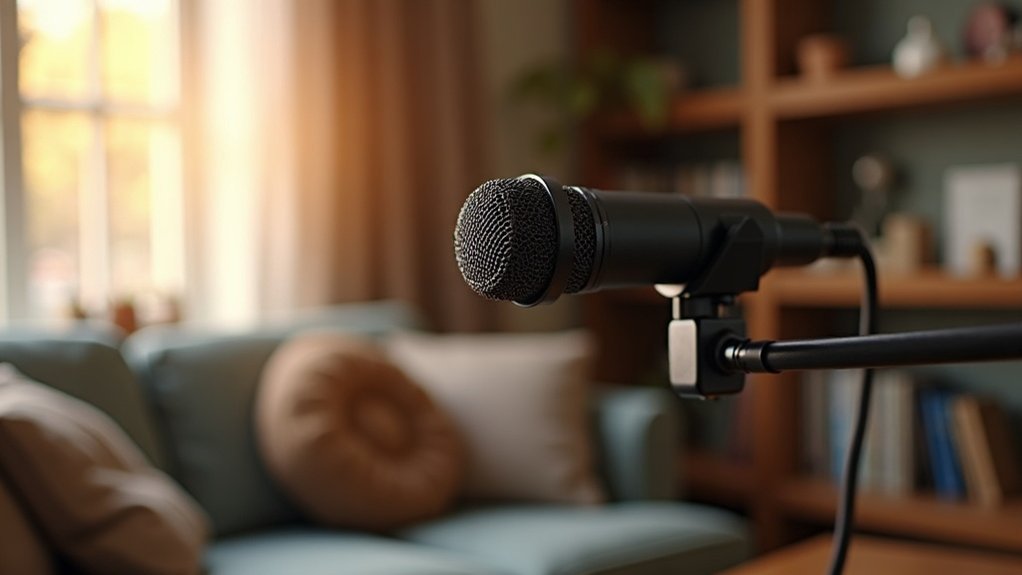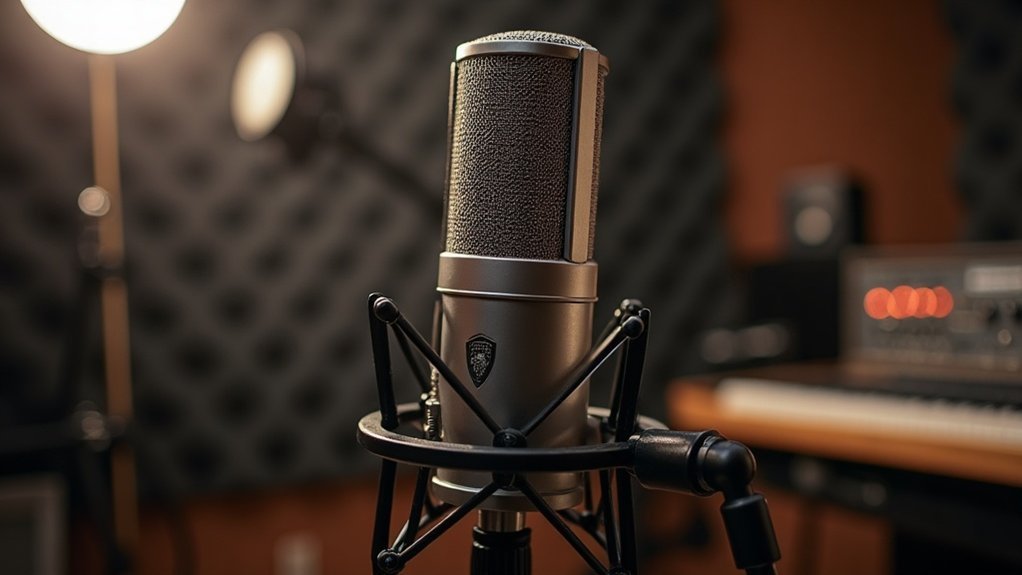
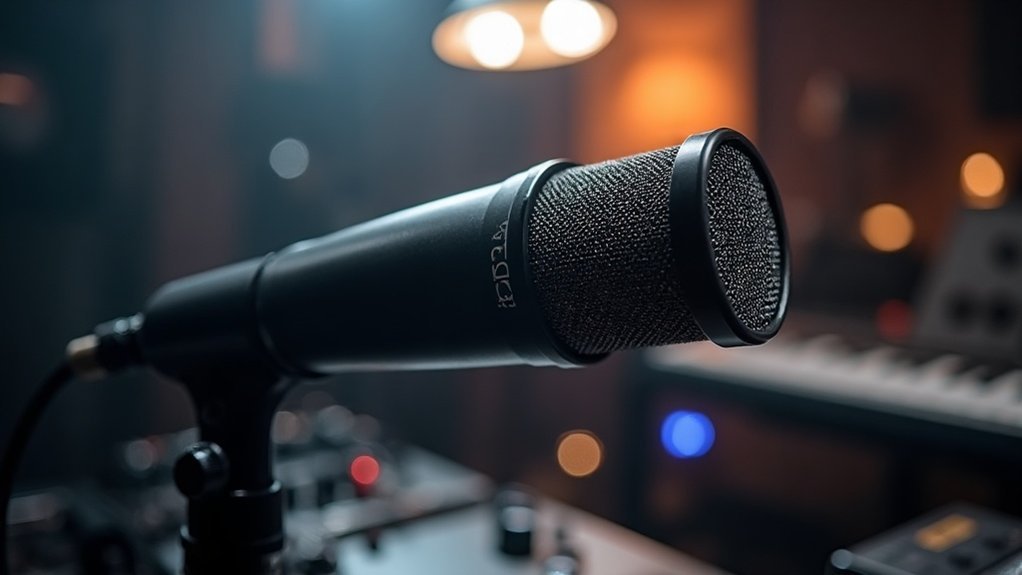
A shotgun microphone is a highly directional audio device designed to capture sound from a specific source while minimizing background noise. This type of microphone features an interference tube that allows for precise sound alignment, typically in a supercardioid or hypercardioid pattern. This design enables clear audio capture in noisy environments, making shotgun microphones ideal for film production, interviews, and live broadcasting. By considering the key features and applications of a shotgun microphone, you’ll gain insights into how to choose the perfect model for your needs. Whether you’re a creator, gamer, musician, or professional, understanding the nuances of a shotgun microphone can significantly enhance your audio quality for podcasting, streaming, gaming, and recording.
Key Takeaways
- A shotgun microphone is a highly directional audio device designed to capture sound primarily from the front while minimizing off-axis noise.
- It features an interference tube that enhances directionality and creates a supercardioid or lobar polar pattern for precise audio capture.
- Shotgun microphones are ideal for film production, interviews, and live broadcasting, effectively isolating sound in noisy environments.
- They excel in rejecting ambient noise, improving speech intelligibility, and are commonly used in outdoor settings with appropriate windshields.
- Key considerations for selection include polar patterns, connectivity options, durability, and environmental protection for optimal performance in various conditions.
Understanding Shotgun Microphones: Definition and Function
Shotgun microphones, often referred to as micrófonos de cañón, are highly directional audio devices designed to capture sound primarily from the front while minimizing interference from other sources. Understanding shotgun microphones: definition and function is essential for anyone looking to enhance their audio quality. These microphones feature a tube of interference that aligns sound waves precisely, allowing frontal audio to reach the capsule with less opposition. This design creates a supercardioid or lobar polar pattern, effectively isolating the target sound. By prioritizing specific audio sources, these shotgun microphones improve clarity in noisy environments, making them ideal for creators, gamers, and musicians. Their highly directional design allows for superior sound isolation, ensuring that unwanted background noise is significantly reduced. Additionally, using a camera with external mic input enhances audio capture, simplifying audio-video synchronization in post-production.
For indoor recording, it’s essential to consider that acoustic treatment can further enhance the microphone’s effectiveness in capturing clear audio.
Understanding the characteristics of shotgun microphones enables you to utilize this directional audio technology effectively, ensuring superior audio quality in your recordings.
Whether you’re podcasting, streaming, or gaming, knowing how to leverage the benefits of shotgun microphones will elevate your audio experience.
Key Features That Make Shotgun Mics Stand Out
While exploring audio equipment, you’ll quickly notice that key features that make shotgun mics stand out set them apart from conventional microphones. Their highly directional polar patterns, often supercardioid or hypercardioid, focus on-axis sound while providing excellent acoustic rejection of off-axis noise. The interference tube, a defining component, enhances this directionality, ensuring superior distance performance by effectively canceling side-entering sounds. With a typical usable range of 4–10 feet, these mics excel in isolating specific audio sources in noisy environments. Their compact design maintains ruggedness while optimizing sound capture, making them essential for professional applications in film and broadcast. Additionally, their supercardioid and hypercardioid pickup patterns allow for precise sound capture, making them ideal for outdoor recording scenarios. Understanding these distinctive features will help creators, gamers, musicians, and professionals make the most informed choices in their audio equipment, particularly as the global shotgun microphone market continues to expand. Omnidirectional microphones also play a key role in various recording situations by capturing sound from all directions, offering versatility in audio production.
Where to Use Shotgun Microphones?
When considering where to use shotgun microphones, it’s crucial to recognize their distinctive capabilities in various production environments.
In film production, they excel at dialogue capture, providing sound isolation while minimizing ambient noise. This is especially important in noisy environments, where clear audio is essential. Shotgun microphones utilize super cardioid polar patterns to effectively reject side sounds, enhancing the clarity of the recorded dialogue. Dynamic microphones are often favored in live settings for their durability and effectiveness.
For interview techniques, knowing where to use shotgun microphones can enhance your ability to capture clear audio even in chaotic settings.
In live broadcasting, microphone positioning is key, enabling you to focus on subjects without distracting handheld mics.
These versatile microphones are invaluable at events, effectively controlling crowd noise while maintaining audio clarity.
Whether for documentaries or sports, understanding where to use shotgun microphones ensures you can adapt to diverse situations, guaranteeing crisp sound capture without compromising visual aesthetics.
What Makes Shotgun Microphones Great (and Where They Fall Short)?

What makes shotgun microphones great in the audio landscape? Their superior sound isolation and directional pickup allow for focused audio capture, making them ideal for noisy environments. You’ll appreciate how these shotgun microphones excel at rejecting off-axis noise, significantly improving speech intelligibility in film and broadcast settings. Additionally, understanding microphone strengths helps optimize your recording setup for various scenarios. Shotgun microphones utilize a polar pattern that enhances their effectiveness in isolating specific sound sources. However, while shotgun microphones shine in many scenarios, they can struggle in small, reverberant spaces and may require windshields when used outdoors. Additionally, their design enables precise aiming at sound sources, enhancing the recording experience.
| Strengths | Limitations |
|---|---|
| Highly directional polar pattern | Sensitive to wind |
| Improved clarity | Less natural at close range |
| Compact and lightweight | Issues in reverberant interiors |
| Versatile across applications | Requires careful placement |
Key Considerations for Selecting Your Ideal Shotgun Microphone
Selecting your ideal shotgun microphone hinges on understanding your recording environment and specific use case.
When considering key considerations for selecting your ideal shotgun microphone, it’s crucial to tailor your choice to the situation. For indoor dialog, shorter models with wider polar patterns minimize room reflections, ensuring clearer sound quality. Additionally, the high directionality of shotgun microphones helps isolate the desired sound source more effectively. Many models, like the RØDE VideoMic GO II Helix, offer versatile connectivity options, making them suitable for various devices. Supercardioid and hypercardioid patterns are both effective in indoor settings, but understanding their differences can enhance your selection process.
In outdoor locations, longer tubes with hypercardioid patterns excel at rejecting side noise, which is vital for capturing crisp audio in challenging environments.
Noise sensitivity is another critical factor; a mic with sensitivity above 20 mV/Pa captures distant sounds without raising the noise floor, enhancing overall audio fidelity.
Also, consider connectivity—ensure compatibility with your device ecosystem to facilitate seamless integration.
Finally, prioritize durability and environmental protection, especially for outdoor use, as this can significantly impact longevity and performance. Mics designed for rugged conditions often feature enhanced weather resistance, making them more reliable in various environments.