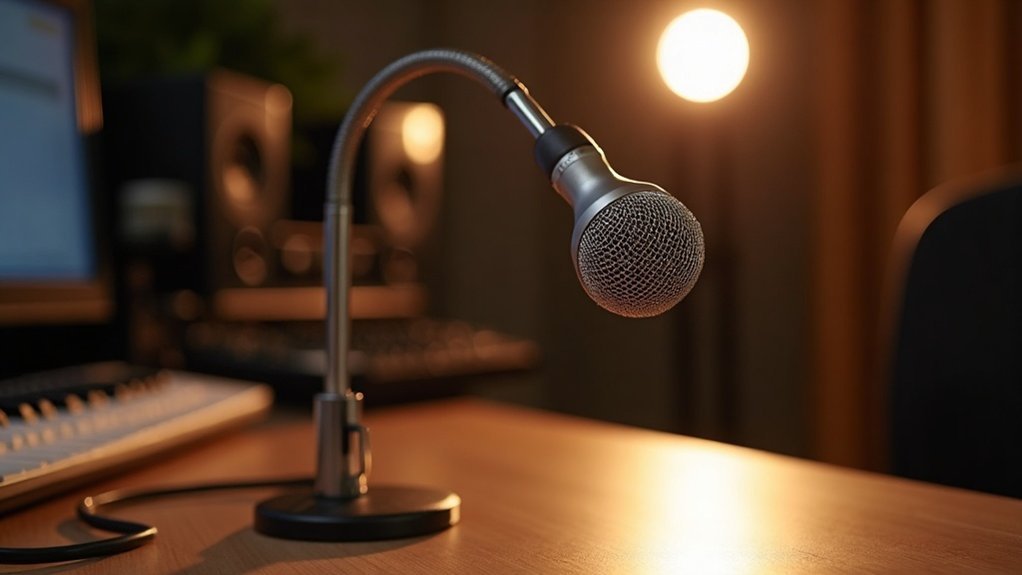
A gooseneck microphone is a specialized directional mic designed for precise audio capture, making it an essential tool for creators, gamers, musicians, and professionals alike. This unique microphone features a flexible neck that allows for easy adjustment of its position, ensuring optimal sound quality. Typically measuring between 15 to 45 cm, a gooseneck microphone is perfect for hands-free applications, whether you’re podcasting, streaming, or recording.
With various pickup patterns, such as cardioid or supercardioid, these microphones effectively minimize background noise, enhancing clarity in your recordings. Understanding the design and functionality of a gooseneck microphone can significantly elevate your audio experience, revealing how it best suits different environments and applications. Whether you’re looking for an affordable option for your setup or seeking tips on maximizing its potential, the gooseneck microphone remains a versatile choice in the realm of audio equipment.
Key Takeaways
- A gooseneck microphone is a flexible, directional mic designed for hands-free use, typically ranging from 15 to 45 cm in length.
- It effectively minimizes background noise, ensuring clear communication in various settings like public speaking and AV setups.
- Directional pickup patterns, such as cardioid and supercardioid, enhance clarity by focusing on the speaker’s voice while reducing ambient sounds.
- Optimal positioning involves placing the mic 6–12 inches from the mouth and angling it slightly below to avoid breath noise.
- Maintenance includes regular cleaning, proper storage, and careful handling to ensure longevity and peak performance.
What Is a Gooseneck Microphone?
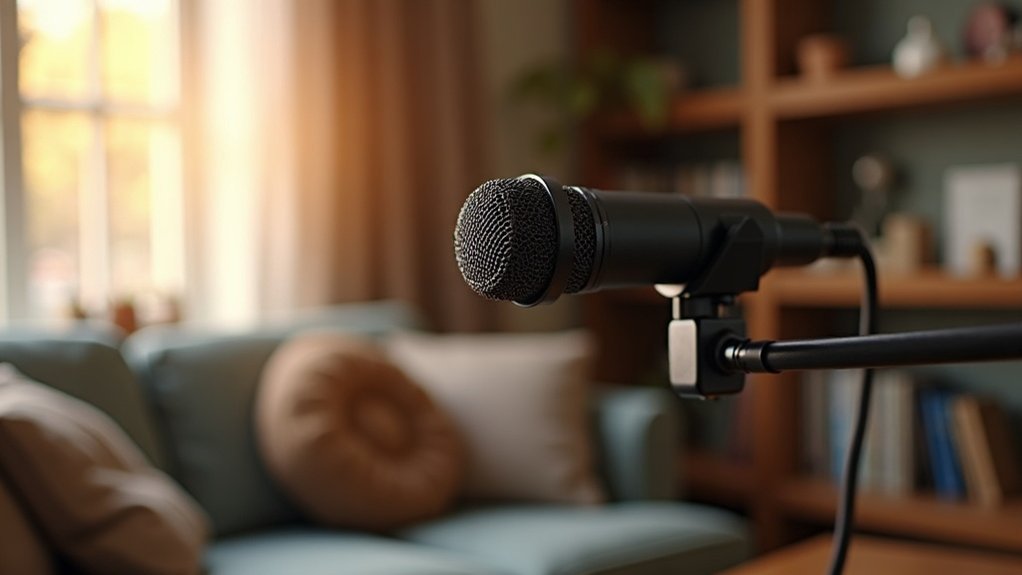
A gooseneck microphone is a specialized, directional microphone designed for optimal sound capture, thanks to its flexible neck that allows for easy adjustment of the microphone capsule. This type of microphone typically ranges from 15 to 45 cm in length, providing the flexibility needed for hands-free spoken-word applications, making it perfect for creators, gamers, and professionals alike. The construction of a gooseneck microphone includes a microphone capsule, an internal preamplifier, and a flexible arm that holds its position without requiring tools. This design is particularly advantageous in environments such as AV setups and conferences, where high speech intelligibility is crucial. Additionally, the adjustable neck allows for optimal sound quality by positioning the microphone close to the speaker’s mouth. Omnidirectional microphones are often used in conjunction with gooseneck designs to capture sound from multiple directions, enhancing audio capture versatility. With its unidirectional characteristics, a gooseneck microphone effectively minimizes background noise, ensuring clear communication in various professional settings. Whether you’re podcasting, streaming, or recording, a gooseneck microphone can be an essential tool for achieving high-quality audio.
How Gooseneck Microphones Capture Sound Effectively
To capture sound effectively, gooseneck microphones rely on ideal positioning, directional pickup patterns, and noise reduction techniques. By placing the microphone close to the speaker’s mouth, you enhance clarity and reduce unwanted noise. Additionally, the directional characteristics focus on the voice while minimizing ambient interference, ensuring high-quality audio in various settings. This is particularly advantageous in AV and conferencing environments, where clear communication is essential. The robust design of gooseneck microphones further enhances their durability and reliability in demanding situations. Moreover, the choice between cardioid and omnidirectional patterns can significantly impact how well the microphone picks up sound in specific environments.
Optimal Microphone Positioning
When discussing optimal microphone positioning, finding the best placement for a gooseneck microphone is crucial for capturing clear sound and minimizing unwanted noise. Aim for a distance of 6–12 inches from your mouth to optimize voice clarity while maintaining a strong signal-to-noise ratio. Proper microphone placement distance can greatly influence recording quality.
Adjust the microphone slightly below mouth level and a few inches off-center to reduce breath hits and enhance vocal capture. Ensure that the angle directs the capsule towards your mouth for maximum intelligibility. Additionally, consider the ergonomics of your setup; selecting an appropriate microphone length can prevent awkward posture, allowing for consistent audio quality during your presentation or meeting. Notably, a recommended neck length of 25–35 cm helps achieve optimal performance in various environments.
Proper microphone positioning ultimately enhances the listener’s experience, making it a key factor for creators, gamers, and professionals seeking to improve their audio output. Remember that maintaining distance from the microphone will further refine sound quality and reduce feedback.
Prioritizing this aspect not only refines sound but also contributes to a more engaging interaction, whether you’re podcasting, streaming, or recording.
Directional Pickup Patterns
Directional pickup patterns are crucial for enhancing how gooseneck microphones capture sound, allowing for precision in audio recording. The cardioid characteristics of these mics make them ideal for focused speech, primarily capturing sound from the front while rejecting noise from the sides and rear. This is essential in environments with feedback risks, especially when utilizing directional pickup patterns to ensure clarity. Additionally, gooseneck microphones are ideal for meeting spaces, where clear communication is vital. Directional microphones can significantly reduce unwanted noise, further improving the overall sound quality in any setting. In contrast, the advantages of omnidirectional microphones shine in group settings, providing a balanced sound capture, though they lack the directionality found in cardioid patterns. For even tighter focus, supercardioid and hypercardioid options further minimize unwanted ambient noise, ensuring your voice remains clear and prominent in any setting you find yourself in. Understanding polar patterns enhances your ability to select the right microphone for your specific needs.
Embracing these directional pickup patterns can significantly elevate your audio quality, whether you’re podcasting, streaming, or recording.
Noise Reduction Techniques
Noise reduction techniques play an essential role in ensuring gooseneck microphones capture sound effectively, especially in challenging environments. By implementing these noise reduction techniques, you can considerably enhance audio quality:
- Optimize Environment: Select quiet spaces and use soft furnishings for improved noise isolation. Additionally, employing a noise gate can help further reduce unwanted sounds during recording.
- Control Distance & Gain: Position the mic 6–12 inches from the speaker to minimize ambient noise while maintaining clarity. Additionally, consider using pop filters to further reduce plosive sounds.
- Utilize Filters: Apply high-pass filters to eliminate low-frequency rumble and enhance intelligibility. Additionally, be mindful of feedback issues caused by speaker placement relative to the microphone.
These noise reduction strategies help reduce unwanted ambient noise, ensuring your gooseneck mic captures only the desired sound.
Common Uses of Gooseneck Microphones
Gooseneck microphones are essential tools in various environments, ensuring clear audio capture in diverse applications. Common uses of gooseneck microphones include their mounting on podiums or integration into tables in conference settings, facilitating effective communication during meetings.
These microphones are widely employed for public speaking in auditoriums and seminar rooms, where direct voice pickup is critical. Educational institutions also rely on these mics to enhance speech intelligibility in classrooms and lecture halls.
Furthermore, in religious services and specialized venues, gooseneck microphones provide reliable audio for sermons and discussions. Their versatility and effectiveness make common uses of gooseneck microphones indispensable for achieving clear, professional sound across multiple platforms.
Key Advantages of Gooseneck Microphones

- Precise capsule placement for improved audio clarity, ensuring your voice is heard clearly.
- Self-supporting stems that maintain stable positions, reducing the need for cumbersome stands.
- Diverse mounting options that facilitate quick setup and complement your aesthetic design.
These features enhance usability and comfort, making it easier for you to engage with your audience. Additionally, their adaptability makes them suitable for various scenarios, including those that require specific pickup patterns to capture sound effectively.
Ultimately, gooseneck microphones combine functionality with a sleek appearance, ensuring you sound great while looking professional.
When it comes to choosing the right microphone for podcasting, streaming, or recording, the versatility of gooseneck microphones makes them an excellent choice for creators, gamers, and musicians alike.
Choosing the Right Gooseneck Microphone
When choosing the right gooseneck microphone, understanding your specific use case is essential for peak performance.
Consider the environment—fixed positions like lecterns suit gooseneck features designed for consistent placement, while dynamic settings may need alternative options.
Focus on pickup patterns; cardioid or supercardioid models excel in noise control.
Assess length and positioning to guarantee ideal sound capture, usually around 4–6 inches above chin height.
Connectivity matters too; XLR is standard for professional setups.
Finally, confirm compatibility with your audio system, especially if opting for condenser models requiring phantom power.
Thoughtful selection of the right gooseneck microphone enhances your audio experience in any setting, ensuring that you get the most out of your equipment, whether for podcasting, streaming, or professional presentations.
Best Practices for Using Gooseneck Microphones
To maximize the effectiveness of your gooseneck microphone, focus on ideal placement and adjustment of the neck position.
Position the mic close to your mouth, ensuring it’s aimed directly at you to minimize background noise and enhance clarity.
Regularly check that the microphone remains aligned with your voice during use for consistent sound quality.
Optimal Microphone Placement
To optimize performance, consider these key factors regarding microphone positioning:
- Maintain a mouth–capsule distance of 6–12 inches for clarity and effective noise rejection.
- Position the microphone slightly below mouth level and angled upward to minimize breath noise, enhancing your overall audio quality.
- Aim the capsule directly toward the mouth to maximize sound pickup and reduce ambient noise, ensuring that your content resonates well with your audience.
Additionally, be aware that common causes of background noise can impact your recordings, so taking these precautions can significantly improve audio quality.
Adjusting Neck Position
Adjusting Neck Position
Adjusting the neck position of a gooseneck microphone is vital for ideal audio capture. To achieve optimal sound, verify that the angle aligns with your mouth line, directing the capsule straight at your voice.
Small adjustments can significantly enhance intelligibility, so make changes gradually to maintain microphone stability. Position the microphone 6 to 12 inches away from your mouth, avoiding extreme closeness to reduce plosives.
A stable neck, combining gooseneck flexibility and firmness, is essential to hold the desired angle throughout your presentation. Remember to re-check stability after adjustments, as incidental bumps can affect your setup, ensuring consistent audio quality during your speech.
Prioritizing the adjustment of the neck position will lead to better audio outcomes, giving you the clarity you need for effective communication.
Minimizing Background Noise
- Choose cardioid or supercardioid capsules to focus on the speaker and reject side noise, which is essential for effective background noise reduction.
- Maintain a consistent distance of 6–12 inches from the microphone for ideal gain and stability, ensuring you’re optimizing your setup for minimizing unwanted sounds.
- Use acoustic dampening materials like carpets or curtains to absorb reflections, further aiding in minimizing background noise.
Understanding polar patterns is vital in selecting the right microphone type for your needs.
Implementing these strategies guarantees effective microphone shielding, creating a clearer sound environment for your audience and enhancing overall audio quality.
Caring for Your Gooseneck Microphone
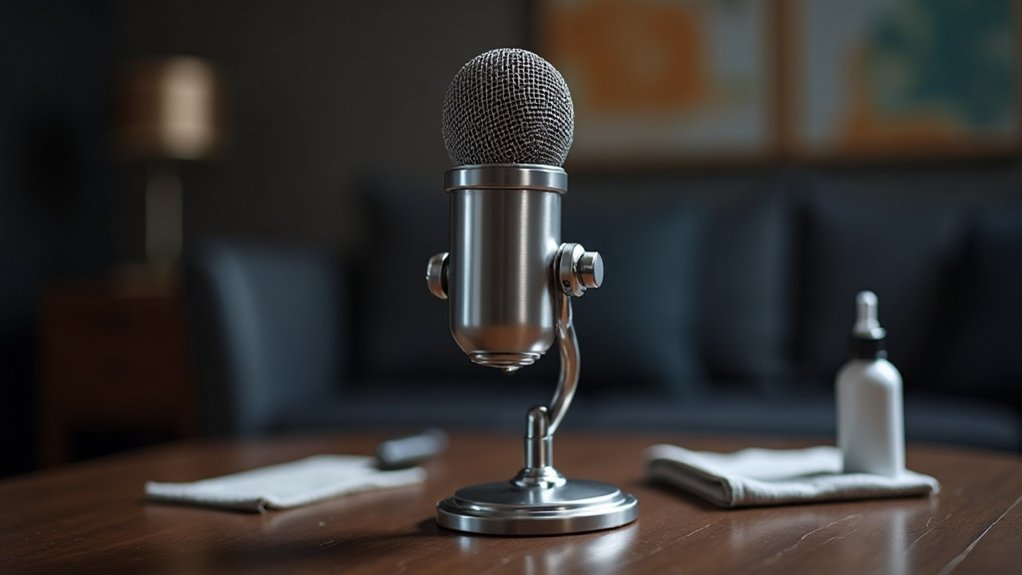
Caring for your gooseneck microphone is essential to secure peak performance and longevity. Proper care for your gooseneck microphone not only enhances its lifespan but also ensures optimal audio quality.
Use soft microfiber cloths for regular cleaning, applying mild soap or disinfectant only to the cloth. Always disconnect the microphone before cleaning to prevent damage. When handling, adjust gently and minimize contact with the capsule area.
For effective maintenance of your gooseneck microphone, store it in a cool, dry environment, using padded cases to protect against moisture and impacts.
It’s advisable to remove batteries during long-term storage to avoid corrosion. By following these maintenance tips and handling guidelines, you can guarantee your microphone remains in prime condition, enhancing your audio experience and fostering a sense of community among users who also value the care of gooseneck microphones.