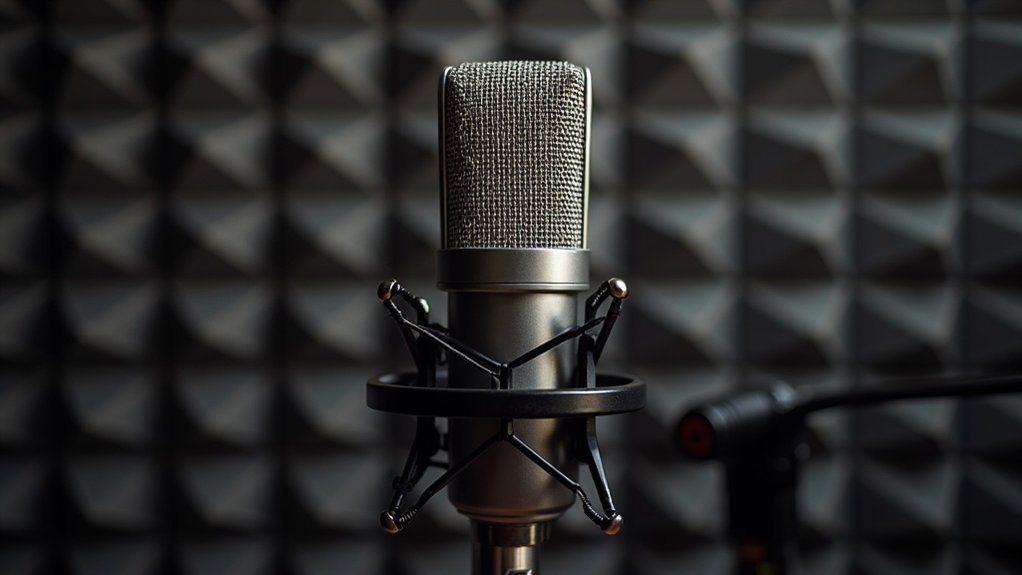
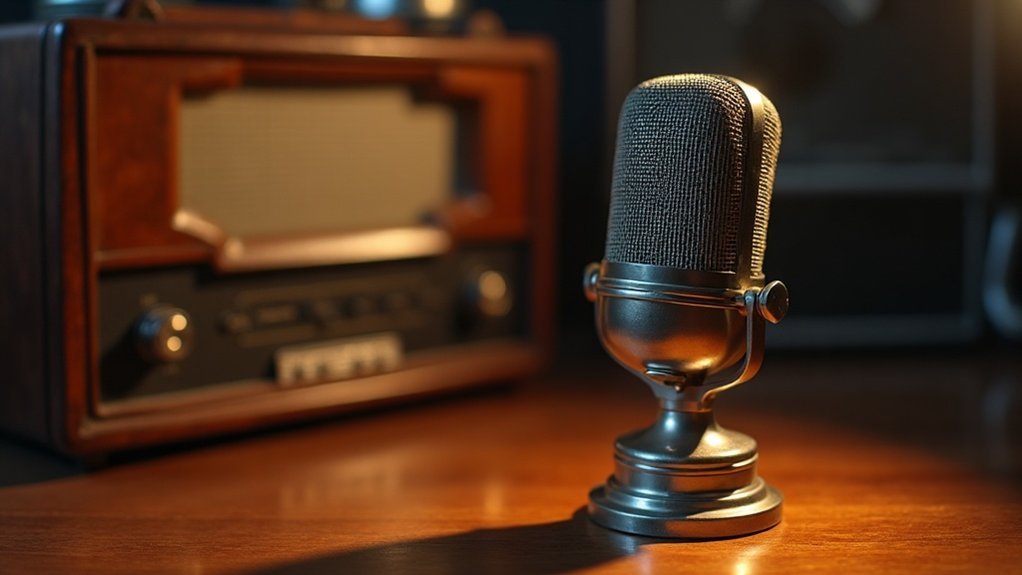
The microphone, essential for sound transmission, first gained recognition in the early 19th century. When we ask, “When was the microphone invented?”, we can trace its origins back to 1827, when Sir Charles Wheatstone coined the term. However, earlier concepts that amplified sound have roots in ancient practices. Key innovations followed, including Thomas Edison’s carbon-button transmitter in 1886, which solidified the microphone’s use in communication. This technology transformed communication and culture, enabling real-time exchanges and mass media. As you explore the history of the microphone and its evolution, you’ll uncover its profound impact on creators, gamers, musicians, and professionals alike. Discover more about when the microphone was invented and how it continues to shape the audio landscape today.
Key Takeaways
- The term “microphone” was coined by Sir Charles Wheatstone in 1827.
- Emile Berliner developed the first practical carbon transmitter in 1876, advancing microphone technology.
- Thomas Edison created the carbon-button transmitter in 1886, significantly influencing microphone design.
- David Edward Hughes demonstrated an early version of the carbon microphone in 1878.
- The first condenser microphone was patented by Elmer Wente in 1916, revolutionizing audio recording.
Early Microphone Concepts: Sound Transmission Devices
When you explore the early microphone concepts of sound transmission devices, it’s fascinating to see how innovation evolved long before electrical microphones existed.
Ancient Greeks used horn-shaped theater masks for acoustic amplification, projecting sound vibrations across their amphitheaters. Similarly, speaking trumpets and acoustic cups helped amplify weak voices over distances.
Robert Hooke’s 1665 experiments with acoustic cups and string telephones laid the groundwork for future innovations in sound transmission technologies. These devices relied on acoustic amplification, serving as precursors to true microphones. Notably, Emil Berliner’s carbon button microphone in 1876 significantly improved audio quality, setting the stage for modern advancements. This evolution culminated in the development of electrical microphones, which transformed the way sound was captured and transmitted.
Such ingenuity demonstrates humanity’s quest to enhance communication, fostering a sense of connection long before electrical technology transformed sound transmission devices.
Understanding these early microphone concepts offers valuable insights into the evolution of audio technology, paving the way for today’s affordable microphones used in podcasting, streaming, gaming, and recording.
Understanding the Birth of the Microphone: Key Inventions and Their Impact
When you explore the birth of the microphone, you’ll notice several key inventions that transformed sound transmission.
The timeline of these innovations reveals how early devices paved the way for modern communication technologies. Robert Hooke’s development of an acoustic cup and string style phone in the 1600s marked an important step in understanding sound transmission. Understanding their impact not only highlights technological progress but also underscores the evolution of human interaction through sound. The introduction of the carbon microphone in 1878 by David Edward Hughes significantly improved sound transmission quality.
Early Sound Transmission Devices
- Robert Hooke’s cup-and-string phone (1665) served as a precursor to more sophisticated sound transmission technology, illustrating early efforts to understand sound capture methods.
- Sir Charles Wheatstone coined the term “microphone” in 1827, marking a significant moment in the evolution of sound amplification.
- Prior to electrical concepts, mechanical sound transmission methods were explored, highlighting the ingenuity of early inventors.
- Early experiments underscored the pressing need for sound amplification, leading to new discoveries in audio technology. Notably, the invention of the carbon-button transmitter by Thomas Edison in 1886 significantly advanced microphone technology. This innovation laid the groundwork for the development of dynamic microphones that would become widely used in various applications.
- Despite the historical separation of these early devices from practical microphones, they provided essential insights into sound transmission.
Each of these early sound transmission devices contributed to the development of microphones, enhancing our ability to transmit sound effectively and fostering connections in communication.
Understanding their evolution is vital for creators, gamers, musicians, and professionals seeking to optimize their use of affordable microphones for podcasting, streaming, gaming, and recording.
Key Inventions Timeline
Understanding the timeline of key inventions that led to the microphone’s birth reveals a fascinating evolution in sound technology, particularly as it relates to affordable microphones for podcasting and streaming.
In the 1870s, Bell’s liquid transmitter and Berliner’s carbon microphone laid the groundwork for practical voice transmission. Edison’s enhancements established the first widely adopted design, while Hughes’ contributions heightened public interest in sound technology.
The 1910s introduced vacuum tube amplifiers, enabling long-distance sound amplification and paving the way for Wente’s condenser microphone, which revolutionized broadcasting and significantly impacted the world of audio recording. The unique function of condenser microphones allowed for greater sensitivity and clarity in sound reproduction.
By the 1920s, innovations like ribbon microphones emerged, further enhancing audio quality for creators and musicians alike.
Each milestone in microphone history not only advanced technology but also shaped how we connect and communicate in our daily lives, making the evolution of affordable microphones a crucial aspect for gamers and professionals seeking high-quality audio solutions.
Impact on Communication Evolution
As the microphone emerged, it fundamentally transformed communication, reshaping how people interacted across distances. This communication evolution fostered connections that were previously unimaginable, enhancing audio clarity and immediacy.
Key impacts include:
- Reliable voice telephony enabled mass communication networks.
- Real-time exchanges replaced limited telegraph messages.
- Broadcasting created shared national cultures and experiences.
- High-fidelity recording changed music from live-only to mass distribution.
- Microphone technology laid the groundwork for modern global communication.
These advancements not only connected individuals but also influenced societal norms, business practices, and cultural expressions, creating a tapestry of shared experiences that resonate today. The rise of USB microphones has further democratized access to high-quality recording, empowering creators and professionals alike to contribute to this ongoing narrative.
The impact on communication evolution is evident in how we engage with one another, whether through podcasts, streaming, or gaming. Affordable microphones have democratized access, empowering creators and professionals alike to contribute to this ongoing narrative.
The Invention Debate: Legal vs. Technical Claims in Microphone History
In exploring the invention of the microphone, you’ll notice a striking contrast between legal recognition and technical innovation. While Thomas Edison secured patent rights, figures like David Edward Hughes demonstrated earlier versions that complicate the narrative of who truly invented the device. This debate not only highlights influential inventors but also raises questions about how we define “invention” in both legal and engineering contexts. Ultimately, the legal battles between Edison and Berliner underscore the complexities surrounding intellectual property in the realm of innovation. Additionally, the recent court rulings on audio technology patents reflect ongoing challenges in determining what constitutes a novel invention in today’s market.
Legal Recognition Controversy
While the legal recognition controversy surrounding the microphone’s invention has often favored Thomas Edison, the historical context reveals a complex web of contributions from multiple inventors. This ongoing debate highlights:
- Patent disputes overshadowing true inventor rights.
- Berliner’s early demonstrations predating Edison’s legal claims.
- Hughes’s significant contributions often overlooked.
- The U.S. Supreme Court’s formal endorsement of Edison.
- A shared innovation narrative often ignored in legal contexts.
These factors illustrate the tension between legal determinations and the collaborative spirit of invention. The legal actions against Bell Company, which also involved the legal recognition of Meucci’s contributions, serve as a reminder that innovation rarely belongs to a single individual; instead, it often emerges from collective efforts. The carbon-disk microphone improved sound clarity significantly influenced the development of modern communication technology, emphasizing the role of different microphone types in shaping audio quality. This shared history is vital for creators, gamers, and musicians who rely on affordable microphones for podcasting, streaming, gaming, and recording, as it underscores the importance of acknowledging every contributor in the evolution of technology.
Technical Innovations Timeline
Although the debate over who truly invented the microphone often centers on legal claims, a detailed technical innovations timeline for microphones reveals significant milestones that shaped its development. Key advancements in acoustic amplification and electrical transduction paved the way for modern microphones, making them essential tools for creators, gamers, musicians, and professionals alike. Understanding the dynamics of microphone technology can further enhance appreciation for these innovations.
| Year | Innovation |
|---|---|
| 1827 | Sir Charles Wheatstone coins “microphone” |
| 1876 | Emile Berliner develops the first practical carbon transmitter |
| 1916 | E.C. Wente patents the first condenser microphone |
| 1931 | Western Electric introduces the 618 dynamic microphone |
These innovations illustrate how various designs contributed to the ongoing evolution of microphone technology, which is crucial for podcasting, streaming, gaming, and recording. Understanding this technical innovations timeline for microphones can help users appreciate the devices they rely on for their creative endeavors.
Influential Inventors Comparison
The debate over who truly invented the microphone is as much about legal claims as it’s about technical achievements, particularly in the context of influential inventors comparison. Here’s a closer look at the key figures involved in this intricate narrative.
- Legal priority often overshadows technical merit in the realm of microphone invention.
- Hughes demonstrated the first practical carbon microphone in 1878, marking a significant step in sound technology.
- Edison holds the key patent from 1877, establishing legal dominance in the microphone’s history.
- Berliner improved acoustic amplification, further strengthening his technical claims in the evolution of microphones.
- Disputes surrounding Bell’s and Meucci’s earlier patents complicate the story of invention.
Navigating these complexities in the influential inventors comparison reveals that the history of sound transduction is layered, intertwining legal recognition with the essence of innovation and functionality. Understanding this helps us appreciate the journey of sound technology, particularly for creators, gamers, musicians, and professionals who rely on affordable microphones for their projects.
Key Milestones in Microphone Technology: Innovations and Inventions

As innovations in microphone technology emerged, they transformed how we capture and transmit sound, shaping the landscape of communication.
The journey of key milestones in microphone technology began with Charles Wheatstone coining the term in 1827. By the late 19th century, David Edward Hughes’ carbon microphone revolutionized sound amplification, enabling the widespread adoption of mass telephone systems.
The introduction of condenser and dynamic microphones in the early 20th century marked significant advancements in audio fidelity and durability, aligning perfectly with the evolution of key milestones in microphone technology. Condenser microphones are particularly known for their sensitivity and clarity, making them ideal for studio recording.
These breakthroughs laid the groundwork for modern microphones, facilitating everything from public broadcasting to personal devices, and highlighting our collective journey toward clearer, more accessible sound in everyday life.
Understanding these pivotal developments not only enhances our appreciation of audio equipment but also guides creators, gamers, musicians, and professionals in selecting the right microphones for podcasting, streaming, gaming, and recording.
How Microphone Technology Evolved in the 20th Century
- Carbon microphones dominated early telephony, ensuring clarity in speech intelligibility.
- The introduction of vacuum tube amplifiers allowed for higher sound fidelity, particularly in larger venues.
- E.C. Wente’s condenser microphone provided a wider frequency response, making it a game-changer in audio quality.
- The emergence of dynamic and ribbon microphones significantly enhanced vocal clarity and instrument capture.
- Post-war innovations, such as Neumann’s U47, established benchmarks for studio recording techniques.
These historical milestones reflect the acoustic principles that transformed audio engineering, illustrating the evolution of microphone technology throughout the 20th century****.
Additionally, the development of large diaphragm condenser microphones revolutionized studio recording, offering unmatched clarity and detail.
This progression created tools that foster a sense of belonging within the music and broadcast industries, allowing creators, gamers, and musicians to elevate their craft.
Modern Innovations and Applications of Microphones
| Application | Use Case | Technology Type |
|---|---|---|
| Automotive | Voice-controlled infotainment | MEMS microphones |
| Medical | Patient monitoring | Digital microphones |
| Smart Homes | Voice-activated devices | Microphone arrays |
| Broadcast | Live event sound capture | Specialized microphones |
| Immersive Media | VR and 360-video production | Ambisonic microphones |
These innovative applications of microphone technology are not only crucial for enhancing user experiences but also play a significant role in various sectors, from healthcare to entertainment. By understanding the modern innovations and applications of microphones, creators, gamers, musicians, and professionals can better leverage this technology for podcasting, streaming, gaming, and recording. Furthermore, the MEMS microphone technology allows for miniaturization without compromising audio quality, making it ideal for compact devices.