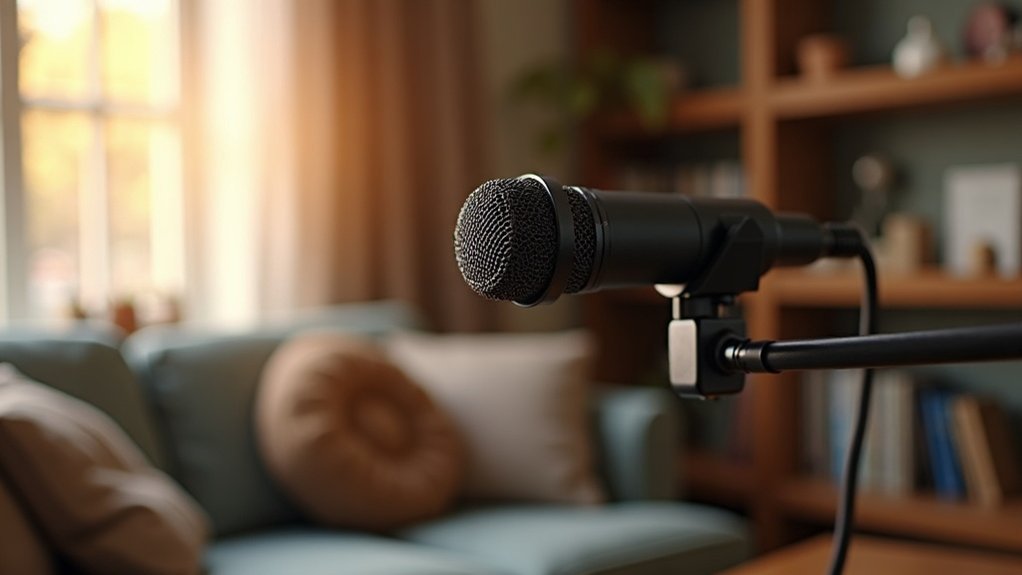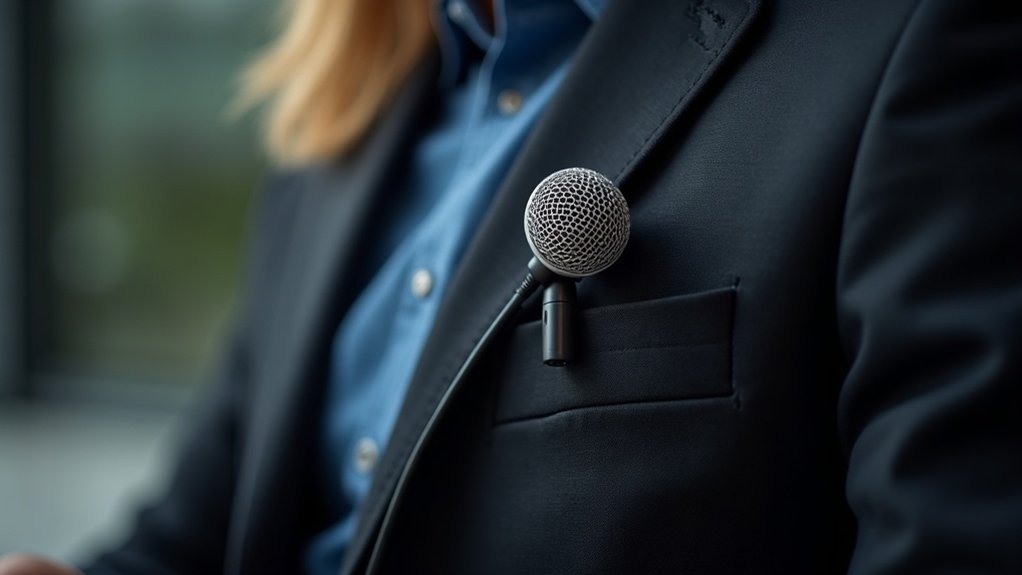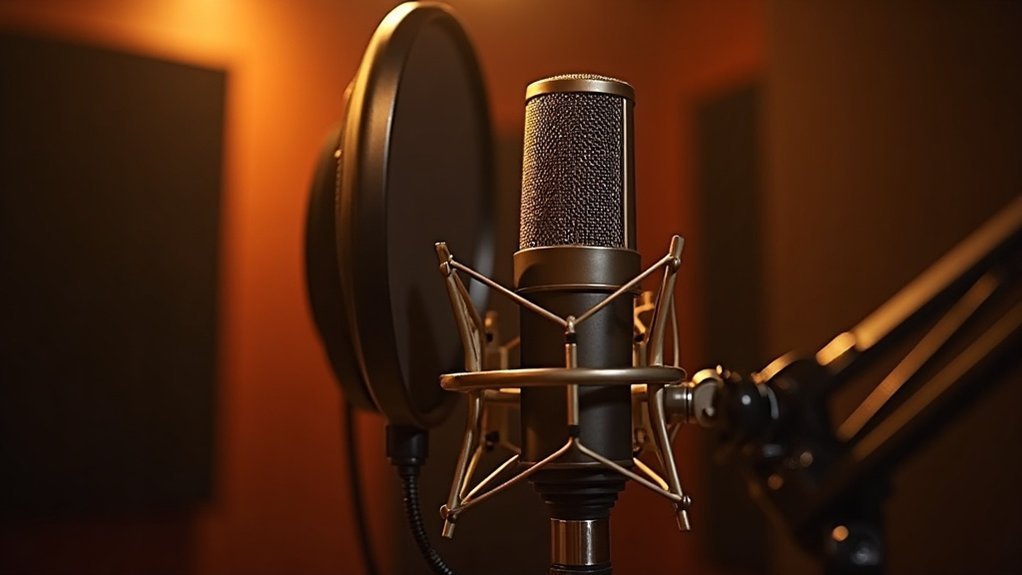
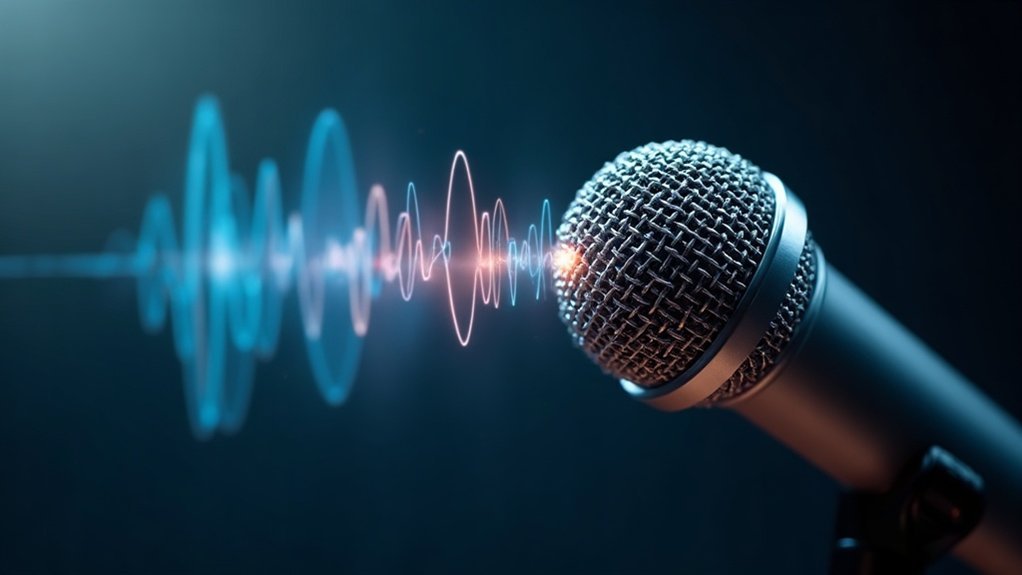
Microphones pick up sound by acting as transducers that convert acoustic energy into electrical signals, a process crucial for creators, gamers, musicians, and professionals alike. These devices use a diaphragm that vibrates in response to changes in air pressure from sound waves. When exploring how microphones pick up sound, it’s important to note that dynamic microphones rely on electromagnetic induction, while condenser microphones utilize variable capacitance for higher sensitivity. This design significantly affects how well they capture sound details and isolate unwanted noise. By understanding these principles of how microphones pick up sound, you can make informed choices tailored to your needs, particularly for podcasting, streaming, gaming, and recording. You’ll soon discover the diverse applications of microphones, enhancing your projects with the right equipment.
Key Takeaways
- Microphones convert acoustic energy into electrical energy using diaphragm motion, responding to changes in sound pressure.
- Dynamic microphones use electromagnetic induction and require no external power, making them durable for live settings.
- Condenser microphones rely on variable capacitance, offering greater sensitivity and frequency range but needing phantom power.
- Polar patterns, like omnidirectional and cardioid, determine how microphones capture sound from different directions, influencing their application.
- Microphone specifications, including sensitivity and frequency response, are crucial for selecting the right type for specific recording needs.
What Is the Role of a Microphone as a Transducer?
Microphones play an essential role as transducers, acting as the bridge between sound and electrical signals. As a key component in the audio landscape, their primary function lies in energy conversion, transforming acoustic energy from sound waves into electrical energy—specifically, analogue audio signals. This role of a microphone as a transducer guarantees minimal alteration of the original waveform, preserving key characteristics like amplitude and frequency. By detecting sound pressure variations, microphones generate corresponding voltage variations, which allow for further processing or amplification. Additionally, dynamic microphones are known for their durability, making them ideal for live performances where handling and environmental factors are a concern. Microphones, especially condenser microphones, excel in applications requiring an excellent frequency response, enhancing the overall audio experience.
Condenser microphones, which utilize electrostatic principles, are particularly sensitive and can capture a broader range of frequencies compared to other types. Regardless of design—dynamic, condenser, or ribbon—each microphone type effectively transduces sound into an electrical image, making them indispensable in modern communication and audio systems. Understanding the role of a microphone as a transducer is crucial for creators, gamers, and musicians seeking to optimize their audio experience. Whether you’re podcasting, streaming, or recording, recognizing how these transducers work can enhance your setup and improve the quality of your projects.
How Do Sound Waves Interact With the Diaphragm?
When sound waves interact with the diaphragm of a microphone, they exert alternating compressions and rarefactions in air pressure that drive its motion. This interaction of sound waves with the diaphragm corresponds to the way sound is captured, where higher amplitudes lead to larger displacements and higher frequencies result in quicker oscillations.
The diaphragm, a thin, low-mass membrane, is designed to respond to rapid pressure changes, functioning effectively as a spring-mass system. Its stiffness and mass play crucial roles in the sensitivity and bandwidth of the microphone. In pressure microphones, the pressure difference between the diaphragm’s front and rear surfaces significantly enhances performance. Understanding sound wave behavior is essential for optimizing microphone placement and achieving high-quality audio. Additionally, the diaphragm acts as the negatively charged plate of a capacitor, allowing it to generate an electrical signal in response to its motion. The diaphragm’s design and materials influence its overall performance, which can vary across different microphone types.
Ultimately, the effective motion of the diaphragm, as it interacts with sound waves, converts these acoustic signals into electrical outputs, forming the essence of audio capture. Understanding how sound waves interact with the diaphragm is essential for creators, gamers, and musicians seeking to optimize their microphone setup for podcasting, streaming, and recording.
Dynamic vs. Condenser Microphones: Key Differences
Understanding the differences between dynamic and condenser microphones is essential for anyone involved in audio production, especially when considering their roles in podcasting, streaming, and recording. Here are key distinctions in the context of dynamic vs. condenser microphones:
- Transducer Principle: Dynamic microphones use electromagnetic induction, while condenser microphones rely on variable capacitance to capture sound.
- Sensitivity: Condenser microphones boast higher sensitivity, making them ideal for capturing subtle details in vocals and instruments. In contrast, dynamic microphones emphasize dynamic characteristics and are effective at rejecting background noise, which is crucial in noisy environments. This effectiveness is partly due to their greater mass, allowing them to handle higher input levels. Additionally, dynamic microphones excel in untreated rooms, making them a practical choice for home creators. This is because they can effectively capture sound without needing external power.
- Frequency Response: Condenser microphones offer a wider frequency range, enhancing clarity and detail in recordings. On the other hand, dynamic microphones are often favored for their focus on lower frequencies, making them a popular choice for live sound applications.
- Power Requirements: Dynamic microphones are passive and require no external power, while condenser microphones need phantom power to operate effectively.
How Do Polar Patterns Affect Microphone Applications?
Understanding polar patterns is essential for optimizing microphone applications.
Omnidirectional microphones excel in capturing room ambience and ensemble performances, while cardioid microphones focus on isolating sound sources, making them ideal for vocals and single instruments. Different polar patterns cater to specific recording needs, affecting isolation and ambience balance. Your choice of polar pattern directly influences sound capture, rejection, and overall recording quality, as microphone sensitivity varies significantly across different angles. For instance, knowing the polar pattern characteristics can help you select the right microphone for your specific recording environment.
Omnidirectional Microphone Applications
Omnidirectional microphones excel in various applications due to their ability to capture sound uniformly from all directions, making them ideal for settings where multiple speakers are present. These versatile microphones are particularly beneficial for creators, gamers, musicians, and professionals seeking quality audio. Here are four key uses of omnidirectional microphones:
- Conference Calls: In environments like roundtable discussions, omnidirectional microphones ensure that all participants are heard clearly, enhancing communication and collaboration.
- Broadcasting: These microphones are perfect for interview scenarios, allowing both the interviewer and interviewee to be captured without the need for constant repositioning, making them a staple in professional broadcasting setups. Their design ensures equal sensitivity across all angles during these interactions, which is crucial for maintaining consistent audio quality.
- Field Recording: Omnidirectional microphones effectively capture ambient sound, making them ideal for immersive audio experiences in field recording, which is crucial for content creators looking to engage their audience.
- Shared Workspaces: Their hands-free nature enhances collaboration in shared environments, ensuring equal sensitivity to all voices and making them an excellent choice for collaborative projects.
In summary, the applications of omnidirectional microphones are vast and varied, catering to the needs of those in podcasting, streaming, gaming, and recording. Their unique ability to capture sound from all directions makes them an essential tool for anyone seeking high-quality audio.
Cardioid Microphone Uses
Cardioid microphones are essential tools in various audio applications, thanks to their heart-shaped polar pattern that emphasizes sound from the front while considerably reducing noise from the sides and rear.
This directional pickup enhances vocal clarity, making cardioid microphones ideal for studio recordings, podcasts, and public speaking. By minimizing ambient noise, these mics effectively achieve feedback reduction, especially in live settings where stage monitors are present.
Their ability to isolate individual instruments, like guitars and drums, ensures that each source remains clear in the mix. Additionally, understanding the differences between supercardioid and hypercardioid can help users choose the best microphone for specific recording environments.
How Sensitivity Affects Microphone Performance

When you examine microphone sensitivity, consider how diaphragm material and design influence performance. Different materials can affect both sensitivity and frequency response, impacting the microphone’s ability to capture a range of sounds accurately. Understanding this relationship helps you select the right microphone for specific applications, ensuring ideal sound reproduction. Additionally, microphone sensitivity plays a crucial role in determining how well a microphone can pick up quiet sounds in noisy environments.
Diaphragm Material Impact
The diaphragm material impact greatly influences a microphone’s sensitivity and overall performance. Choosing the right diaphragm materials is vital for achieving ideal mechanical sensitivity.
Here are key factors to take into account regarding the diaphragm material impact:
- Lower internal stress in materials boosts mechanical sensitivity by allowing greater deflection.
- High-compliance materials enhance sensitivity through increased mechanical displacement.
- Lightweight and flexible options, like Mylar or aluminum foil, support higher sensitivity effectively.
- Uniform stress distribution in piezoelectric materials, such as AlN, improves sensitivity.
Balancing these properties guarantees that your microphone captures sound accurately while maintaining stability and durability, underscoring the significant diaphragm material impact on performance. Additionally, large diaphragm condenser microphones are commonly used in recording settings due to their superior sound quality.
Understanding these factors will help creators, gamers, and musicians choose the best microphones tailored to their needs, ensuring they achieve optimal results in podcasting, streaming, and recording.
Frequency Response Differences
Understanding how frequency response differences influence microphone performance is essential for achieving ideal sound capture. Frequency response defines how sensitivity variations affect output across the audible spectrum, typically ranging from 20 Hz to 20 kHz. A flat response guarantees accurate reproduction, while a shaped response alters tonal balance—often boosting presence around 3–6 kHz for clarity. Dynamic microphones generally exhibit lower overall sensitivity, while condensers offer wider frequency responses, enhancing detail. Recognizing these frequency response differences helps you choose the right microphone for your needs, ensuring your audio captures the intended sound with precision and fidelity, tailored to your specific listening environment. This understanding of frequency response in audio gear is crucial for optimizing your microphone selection.
How Are Microphone Signals Processed for Recording?

Microphone signals undergo a meticulous processing journey for recording, starting with the essential amplification stage. Here’s how it unfolds:
- Signal amplification: The preamplifier boosts mic-level output (1–10 mV) to line level, applying 60–70 dB of gain while minimizing noise and distortion. This amplification is crucial for ensuring that microphones can deliver high-quality sound for various applications, including podcasting and streaming.
- Analog-to-digital conversion: The ADC transforms the analog signal into digital samples for storage, a vital step in the process of transforming microphone signals for recording into a format suitable for editing and playback.
- Dynamic range control: Techniques like compression and limiting shape the signal dynamics, ensuring that the range of sounds captured by the microphone translates well in the final recording.
- Noise reduction: DSP identifies and attenuates unwanted noise, preserving clarity and enhancing the overall quality of the recording. Additionally, understanding how a preamplifier works is essential for optimizing this signal processing chain.
Applications for Different Microphones
When selecting a microphone, it’s essential to consider the applications for different microphones, as each type excels in various scenarios.
For live performance, dynamic cardioid microphones are ideal for lead vocals, offering durability and high SPL handling.
In studio recording, large-diaphragm condenser mics capture vocal nuances beautifully, while small-diaphragm models are perfect for acoustic instruments.
Dynamic microphones also shine when used for instruments like drums, ensuring clear sound reproduction.
For ambient recordings, stereo condenser pairs create rich soundscapes.
Understanding the applications for different microphones will help you choose the right one to enhance your audio experience, whether on stage or in the studio. Additionally, cardioid microphones are particularly effective in reducing background noise, making them a popular choice in various settings.
Understanding microphone applications is key to elevating your audio experience, both on stage and in the studio.
This knowledge is particularly valuable for creators, gamers, and musicians seeking to maximize their audio quality in podcasting, streaming, and recording.
How to Choose the Right Microphone for Your Needs?
Selecting the right microphone for your needs involves a systematic approach tailored to your specific requirements.
When considering how to choose the right microphone for your needs, keep these key factors in mind:
- Define Purpose: Identify your main use—whether it’s for studio vocals, podcasting, or field recording—and assess the recording environment, such as treated rooms or outdoor spaces.
- Choose Microphone Type: Decide between dynamic, condenser, or USB microphones based on your specific needs and preferences for how to choose the right microphone for your needs.
- Select Polar Pattern: Determine if cardioid, omnidirectional, or bidirectional patterns are best suited for your recording scenario, ensuring you’re fully equipped for how to choose the right microphone for your needs.
- Analyze Specifications: Review frequency response, sensitivity, and maximum SPL to ensure compatibility with your gear as you navigate your decision on how to choose the right microphone for your needs. Understanding the different types of microphones can also help refine your choices.