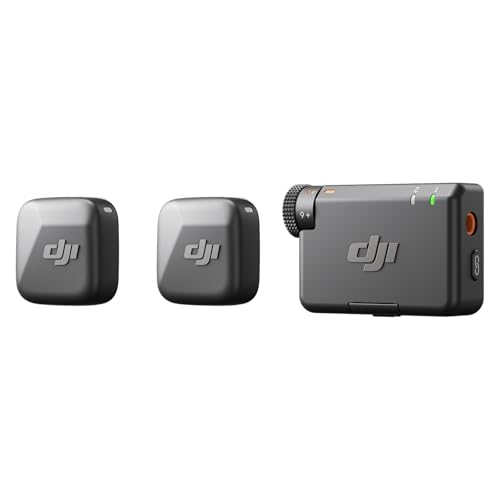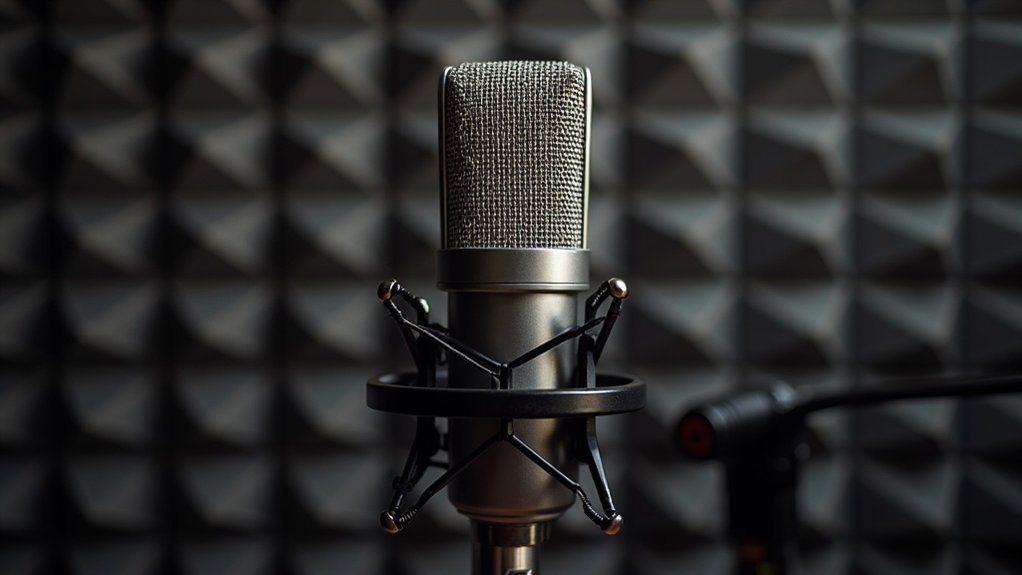

Cardioid and omnidirectional microphones differ mainly in their pickup patterns, which is essential to understand when considering the difference between cardioid and omnidirectional options. Cardioid microphones focus on sound from the front, effectively minimizing background noise and enhancing clarity in noisy environments, making them ideal for isolating specific sound sources. In contrast, omnidirectional microphones capture sound from all directions, providing a more natural ambiance but potentially risking unwanted noise in untreated spaces. If your goal is to isolate a particular sound source, the cardioid pattern is your best bet; for group settings or environmental recordings, the omnidirectional option is preferable. When exploring the difference between cardioid and omnidirectional microphones, it’s crucial to evaluate additional factors to find the right mic that suits your needs, whether you’re a creator, gamer, or musician.
Key Takeaways
- Pickup Pattern: Cardioid microphones capture sound primarily from the front, while omnidirectional mics pick up sound equally from all directions.
- Sound Isolation: Cardioid mics excel at minimizing background noise, making them ideal for noisy environments; omnidirectionals may capture unwanted ambient noise.
- Ideal Applications: Cardioids are preferred for live performances and interviews, whereas omnidirectionals suit group recordings and acoustic performances.
- Sensitivity: Cardioid mics are maximally sensitive at the front, while omnidirectionals maintain consistent sensitivity across 360°, capturing ambient sound naturally.
- Placement Considerations: Cardioid mics require precise positioning for optimal capture, whereas omnidirectional mics offer more flexibility in placement.
Cardioid vs. Omnidirectional Microphones: Key Differences
When comparing cardioid vs. omnidirectional microphones, understanding their key differences is essential for selecting the right tool for your audio needs.
Cardioid microphones excel in sound isolation, making them ideal for vocals and live performances, where feedback control and reduced ambient noise are priorities. Conversely, omnidirectional microphones capture a wider sound field, making them suitable for round-table discussions and ambient sound in various recording environments. Microphone directivity is a crucial factor to consider when choosing between these types, as it influences how each captures sound from different angles. Additionally, cardioid microphones are particularly effective at reducing side and rear sounds, enhancing their suitability for isolated recordings. Omnidirectional microphones are often used in various applications where capturing ambient sounds enhances the overall audio experience.
User preferences often dictate the choice between cardioid and omnidirectional types, as the cardioid design offers enhanced sound quality and performance metrics in noisy settings.
On the other hand, omnidirectional microphones provide a natural frequency response, which benefits applications requiring consistent pickup.
Whether you’re a creator, gamer, or musician, understanding the distinctions between cardioid vs. omnidirectional microphones can help you make an informed decision tailored to your specific audio needs.
How Each Pickup Pattern Works
Understanding how each pickup pattern works requires examining their mechanics and sound capture characteristics.
You’ll notice that cardioid microphones focus on sound from the front while minimizing unwanted noise from the rear, thanks to their pressure-gradient design. In contrast, omnidirectional microphones capture sound equally from all directions, which affects their directionality and sensitivity in different acoustic environments. This is particularly important because polar patterns visualize microphone sensitivity, influencing how effectively each type can manage background noise. Furthermore, the cardioid pattern’s design enhances its ability to isolate the desired sound source, making it ideal for live performances and studio settings.
Pickup Pattern Mechanics
The mechanics behind pickup pattern mechanics are essential for grasping how microphones capture sound. In microphone design, cardioid pickup patterns utilize pressure-gradient operation, relying on the difference in pressure between the front and rear of the diaphragm. This creates a heart-shaped response, enhanced by acoustic vents that introduce a slight delay for rear sound. This design is particularly effective in reducing background noise, making it ideal for focused recordings.
In contrast, omnidirectional patterns employ pure pressure operation, exposing the diaphragm equally to sound from all directions, resulting in a uniform 360° response. Understanding the intricacies of pickup pattern mechanics allows you to choose the right microphone based on your needs, whether you’re a creator, gamer, or musician. By recognizing how different pickup patterns work, you can significantly enhance your audio experience and connection to sound, ensuring your recordings are clear and impactful.
Using a directional microphone can help suppress unwanted noise, making it particularly beneficial in noisy environments. Additionally, cardioid microphones are often preferred in live settings for their ability to minimize ambient sound interference. Whether you’re podcasting, streaming, or recording music, grasping these mechanics is key to making informed choices about your microphone selection.
Sound Capture Characteristics
When considering sound capture characteristics, particularly between cardioid and omnidirectional microphones, it’s essential to understand how each pickup pattern captures sound.
Omnidirectional microphones excel in capturing ambient sound from all directions, providing a natural frequency response and tonal balance that reflects room acoustics. They maintain capture consistency but can introduce unwanted environmental noise in untreated spaces. This is particularly evident as omni mics often provide 8-10 dB stronger signals compared to cardioid mics. Additionally, their design allows for broader sound capture, making them suitable for recording group settings or acoustic performances.
Conversely, cardioid microphones prioritize sound isolation, focusing on the source in front while significantly reducing off-axis sound. This results in improved clarity but may alter tonal balance as sound moves away from the front axis, making them ideal for noisy recording environments.
Understanding these sound capture characteristics is crucial for creators, gamers, and musicians looking to make informed decisions about their microphone choices.
Directionality and Sensitivity
When comparing cardioid and omnidirectional microphones, understanding directionality and sensitivity is crucial for optimizing performance. Here’s how these characteristics differ:
- Cardioid Pickup Pattern: Cardioid microphones are maximally sensitive at 0° (front), exhibiting strong rejection at the rear (−20 to −30 dB). This directionality is essential for creators and professionals who need to minimize background noise, making cardioid polar patterns an ideal choice in untreated environments. The effectiveness of this pattern is often enhanced by acoustic treatment in recording spaces.
- Omnidirectional Sensitivity: In contrast, omnidirectional microphones offer uniform 360° pickup, capturing sound equally from all directions. This makes them suitable for environments where ambient sound is desired, which is important for certain recording scenarios.
- Distance Factor: The cardioid microphone’s distance factor (DF) of 1.7 allows for better sound isolation from ambient noise, making it a favorite among podcasters and streamers focused on clarity. This characteristic is particularly beneficial in managing proximity effect during recordings.
- Off-Axis Behavior: Cardioid microphones exhibit significant level drops off-axis, which can enhance sound isolation and tonal quality. Conversely, omnidirectional microphones maintain consistent volume across all angles, affecting their use in various applications.
In conclusion, the directionality and sensitivity of cardioid and omnidirectional microphones are defining characteristics that determine their suitability for different environments, whether for gaming, streaming, or recording. Understanding these differences is key for anyone looking to maximize their audio quality in any given setting.
When Should You Choose a Cardioid Microphone?
When background noise is a concern, a cardioid microphone is your best choice for isolating the primary sound source. Its directional pickup pattern effectively minimizes unwanted ambient sounds, making it ideal for live performances or untreated spaces. Additionally, in specific scenarios like podcasting or close-miking instruments, cardioid mics enhance clarity while reducing interference from other noises. This is particularly important for achieving optimal sound capture in challenging acoustic environments. Choosing a cardioid mic can significantly improve noise rejection in various recording situations.
Background Noise Considerations
Choosing a cardioid microphone is essential if you aim to minimize background noise and enhance sound source isolation. When considering background noise considerations, here are key aspects to keep in mind:
- Noise Isolation: Cardioids excel in rejecting off-axis noise, which significantly improves clarity in your recordings.
- Microphone Placement: Proper positioning is crucial; ensure the mic is facing the sound source for optimal results in your audio capture.
- Room Acoustics: In untreated spaces, cardioid microphones help reduce room reflections and unwanted sounds, a vital factor in background noise considerations.
- Directional Rejection: They effectively diminish noise from the rear, making them invaluable in noisy environments.
Additionally, cardioid microphones are commonly used in various settings like live performances, studios, and broadcasting to achieve optimal audio quality. Opt for cardioid microphones when you need focused audio capture and want to keep background distractions at bay. This choice not only enhances your recordings considerably but also addresses crucial background noise considerations for creators, gamers, musicians, and professionals alike.
Specific Application Scenarios
Cardioid microphones are ideal for a variety of specific application scenarios due to their directional pickup pattern, which effectively isolates sound sources while minimizing background noise.
In live performance, they enhance vocal clarity and instrument isolation, making them perfect for capturing lead vocals and primary instruments.
During studio recording, cardioid microphones improve speech intelligibility and exploit noise reduction, especially in untreated environments.
For conferences, their focused mic placement guarantees sound reinforcement while reducing audience noise.
When environmental factors threaten clarity, cardioid microphones excel in maintaining a clean audio signal, making them the go-to choice for many audio professionals.
Whether you’re podcasting, streaming, or gaming, these directional microphones provide the reliability and quality needed to elevate your audio experience. Additionally, their effectiveness in film and video production showcases their versatility in various professional settings.
When Should You Opt for an Omnidirectional Microphone?
An omnidirectional microphone proves invaluable in various scenarios, particularly when capturing multiple sound sources in a single space.
When considering when to opt for an omnidirectional microphone, keep these situations in mind:
- Group recordings like panels or choirs, where equal pickup is essential to ensure all voices are captured effectively.
- Multi-person interviews, allowing every voice to resonate clearly, regardless of its position in the room.
- Classroom settings, where both instructor speech and student questions can be captured seamlessly for enhanced learning.
- Live events, where ambient sound capture enriches the audience’s overall experience.
In each of these cases, knowing when to opt for an omnidirectional microphone can make a significant difference.
These mics provide natural sound, stable tone, and effective wind resistance, making them indispensable tools for achieving speech clarity and managing noise in diverse environments. Additionally, they are often used in lavalier microphone setups, which enhance mobility and convenience for speakers.
Whether you’re a creator, gamer, musician, or professional, understanding the optimal use of omnidirectional microphones can elevate your audio quality significantly.
Pros and Cons of Cardioid and Omnidirectional Microphones
Cardioid microphones excel in isolation, effectively controlling ambient noise and feedback, which makes them ideal for focused applications in sound engineering. However, one of the downsides of cardioid mics is that they can introduce off-axis coloration and require precise positioning.
On the other hand, omnidirectional microphones offer a natural sound and stable tonal balance by capturing audio from a 360° perspective. This feature can be beneficial, but it also means they risk picking up unwanted ambient noise.
Both microphone patterns showcase diversity in audio capture, each catering to different needs within the realms of podcasting, streaming, gaming, and recording. Additionally, understanding different types of microphones can provide further context for choosing the right mic for your specific situation.
Your choice ultimately hinges on the specific context and desired audio quality for your project, whether you lean towards the focused capture of cardioids or the inclusive sound of omnidirectionals.
Understanding the pros and cons of cardioid and omnidirectional microphones is essential for making an informed decision tailored to your unique audio requirements.
Choosing the Right Microphone: Tips for Optimal Performance
Here are key factors to evaluate for optimal performance:
- Recording Environment: In noisy spaces, cardioid microphones are ideal, while omnidirectional microphones work best in quiet rooms. Selecting the right microphone for your environment is essential for achieving the best sound quality.
- Sound Isolation: Cardioid mics excel in reducing background noise, making them perfect for situations where clarity is paramount. This feature is vital when considering the right microphone for your specific audio needs.
- Placement Techniques: Cardioids require precise positioning to capture the best sound, whereas omnidirectional mics are more forgiving with placement. Understanding placement techniques is key when choosing the right microphone.
- Feedback Management: Cardioids provide stronger feedback rejection, especially in live settings, ensuring a cleaner sound. Proper feedback management is another critical aspect of selecting the right microphone for live performances.
- Pickup Patterns: Understanding the different pickup patterns of microphones, such as hypercardioid, can further enhance your ability to select the most suitable microphone for your recording context.